Last updated November 23, 2026
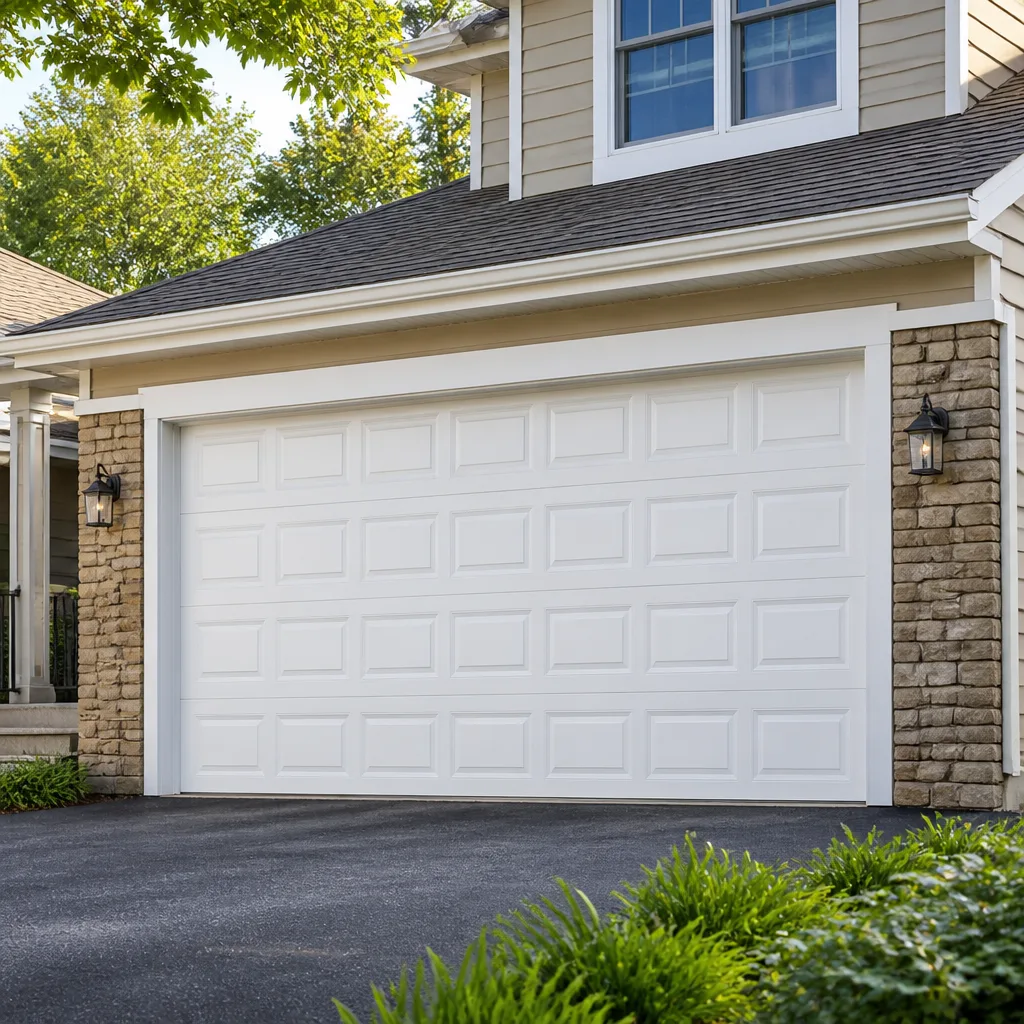 Raised-panel steel
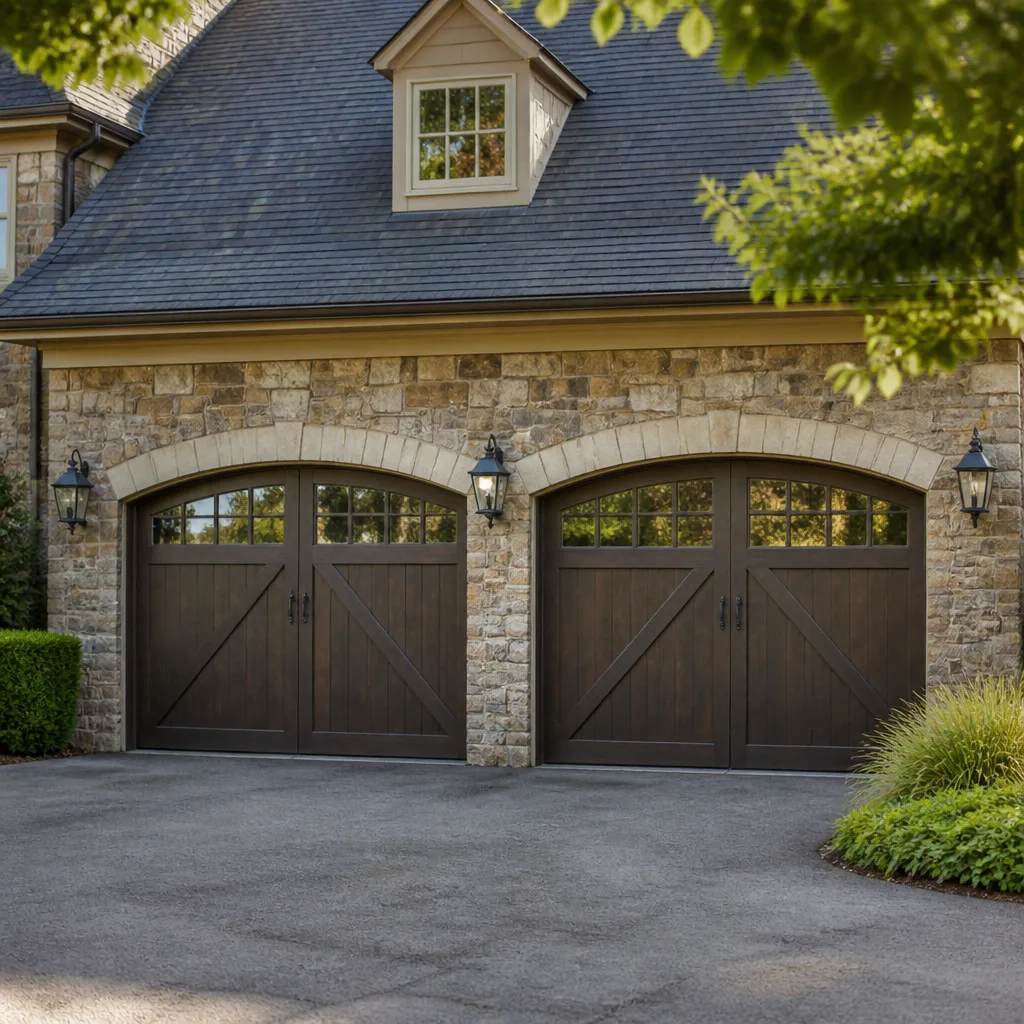 Carriage house
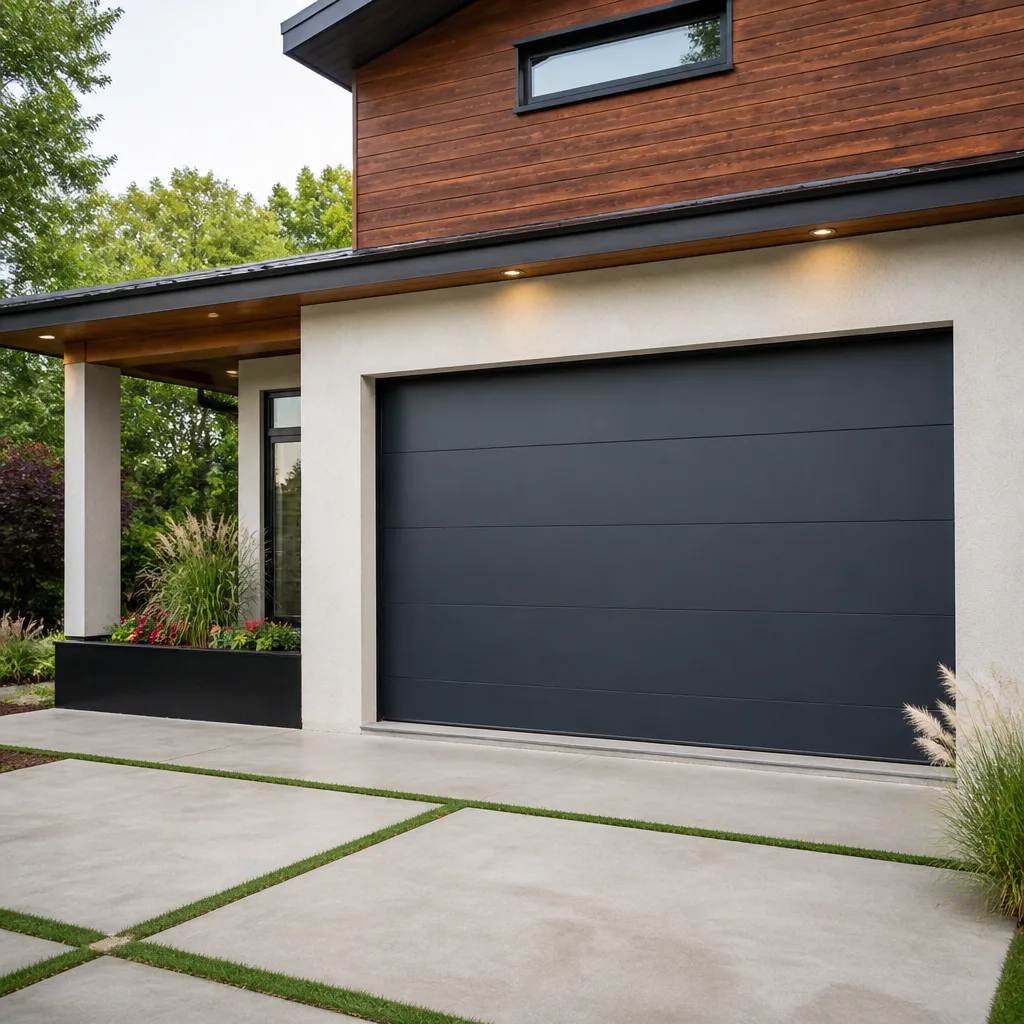 Modern flush
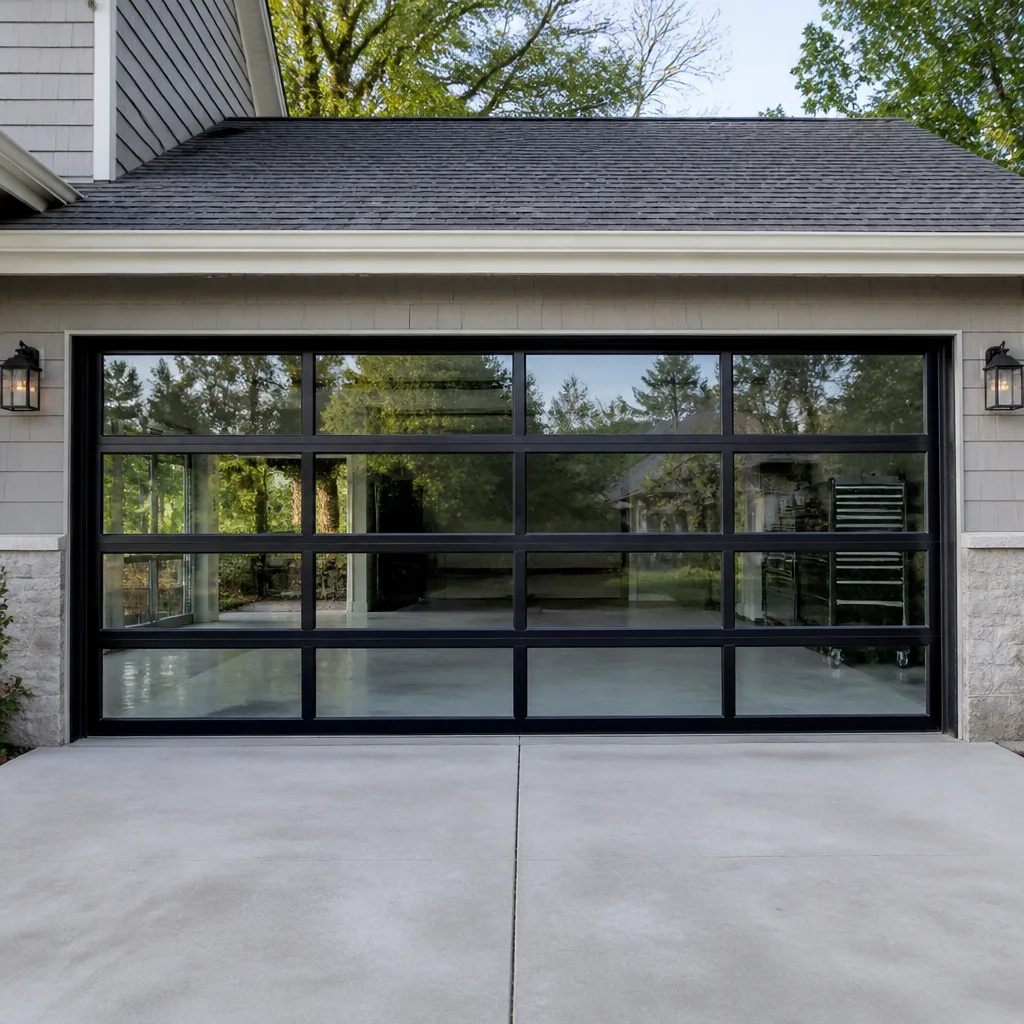 Full-view glass
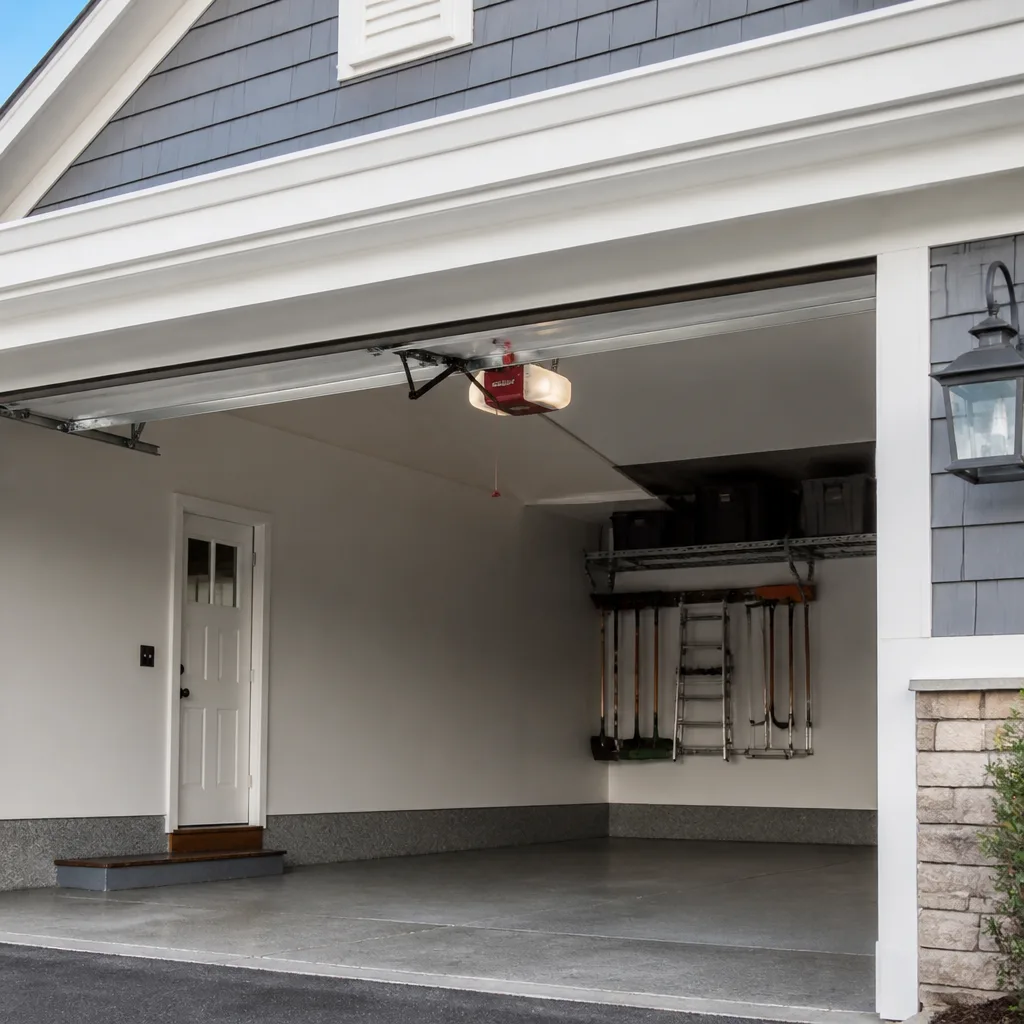 LiftMaster openers
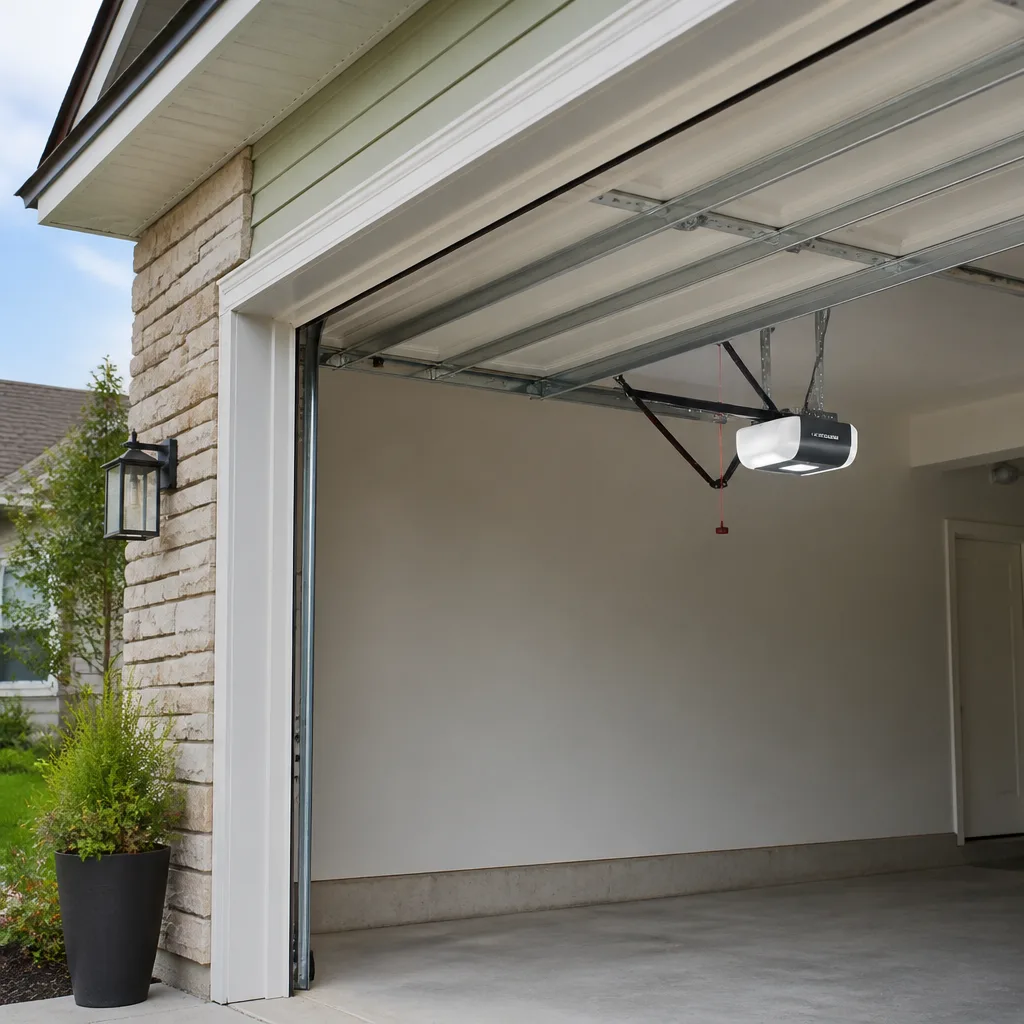 Chamberlain openers
Full 25-point door and opener safety check with every visit - springs, cables, rollers, tracks, and your LiftMaster or Chamberlain opener included
You get a price before we start. It does not change when the pro arrives.
Get your free estimateGarage Door Permits, Codes & Inspections in Charlottesville, VA: What You Need to Know
Most homeowners assume a garage door is simple equipment, not a construction project, so a permit never crosses their mind. That’s the costly misconception this guide corrects. A full door replacement on an attached garage can pull in Virginia’s building code and, depending on where in Charlottesville you live, historic district review as well. Repairs usually don’t. Openers almost never do. Knowing which category your job falls into protects you at resale and when you file a claim. Below we translate the relevant pieces of the Virginia Uniform Statewide Building Code into plain language, walk through what an inspection actually looks for, and flag the mistakes that trip up homeowners most often.
Quick Answer
In the City of Charlottesville and Albemarle County, replacing a garage door on an attached garage generally requires a building permit because the door is part of the garage’s fire-separation assembly, while repairing or replacing a like-for-like door on a detached garage often does not. Repair work, spring replacement, and opener-only swaps typically fall outside permit scope. If your home sits in one of Charlottesville’s historic districts, exterior door changes can also trigger design review before a permit is issued. Always confirm the specifics with the City of Charlottesville or Albemarle County building department before work begins, since final authority rests with the local code official.
Styles & brands we work with
- Raised-panel steel
- Carriage house
- Modern flush
- Full-view glass
- LiftMaster openers
- Chamberlain openers
Table of Contents
- When does a garage door job actually need a permit?
- The Virginia code sections that apply to your garage door
- How Charlottesville historic districts change the process
- What an inspection actually checks
- What a contractor has to document to pass
- How unpermitted work affects insurance and title
- Doing it yourself vs. hiring a licensed pro
- What permits and inspections cost around Charlottesville
When does a garage door job actually need a permit?
The dividing line is structural change versus maintenance. A repair that returns your existing door to working condition isn’t a construction project. A replacement that swaps in a new door, changes the opening, or alters the assembly tied to fire separation is. That distinction drives the whole permit conversation in Charlottesville, and it’s the first thing we clarify with any homeowner before we schedule anything.
Here’s how we break it down in practice:
- Spring repair or replacement: Almost never requires a permit. This is component maintenance on an existing door.
- Opener replacement or repair: Almost never requires a permit when the door and opening stay the same. A new opener is an appliance swap, not a structural change.
- Panel replacement: Usually no permit if you’re restoring the same size opening with a matching panel. Changing dimensions or the door’s fire rating moves it into permit territory.
- Full door replacement on a detached garage: Often no permit, but confirm with Albemarle County or the City of Charlottesville, because rules about detached accessory structures vary.
- Full door replacement on an attached garage: Generally requires a building permit. The door is part of the barrier between the garage and the living space, and the code treats it as such.
- Changing the opening size, adding a new opening, or converting a garage: Requires a permit and often engineering. This is a structural project, not a door swap.
If you’re in doubt, call the building department and describe the job in four words: same door or different. That single question usually gets you a clear answer. The permit fee is minor next to the resale headache an unpermitted replacement creates, and the local code official, not the contractor, has the final word on what needs a permit in Charlottesville.
The Virginia code sections that apply to your garage door
The Virginia Uniform Statewide Building Code (USBC) governs residential construction across the state, and local jurisdictions like Charlottesville and Albemarle County adopt and enforce it. Two general areas matter most for garage doors: fire separation and garage door labeling and installation standards.
Fire separation is the one homeowners rarely think about. When a garage is attached to a house, the wall and ceiling assemblies between them are built to slow the spread of fire, and the vehicle door opening is part of that separation system. A door that’s been swapped for an untested unit, or installed without the labeled assembly the manufacturer specifies, undermines the whole thing. That’s why a replacement on an attached garage draws a permit and an inspection. The code isn’t interested in whether the door opens smoothly; it cares whether the assembly still does its job in a fire.
Door labeling is the second piece. Garage doors are tested and labeled to standards that speak to wind load, fire rating where required, and safe installation. A code-compliant replacement means installing a labeled door and following the manufacturer’s listed assembly, not improvising with brackets or hardware from a different system. When we install a Clopay or Raynor door, the assembly we follow is the one the manufacturer publishes, and that documentation is what an inspector wants to see.
What the code does not do is set rules for spring tension, opener brand, or whether you like the color. Those are product and preference decisions. The code governs life safety and structural integrity, and it cares about the garage-to-house boundary more than any other single feature of your door.
How Charlottesville historic districts change the process
Charlottesville has several historic districts, and a garage door that faces a street can fall under design review before you ever get to the building permit stage. This is the local wrinkle that surprises homeowners most, and it’s where a same-day mentality doesn’t help.
In a historic overlay district, exterior changes that are visible from the public right of way can require review by the local historic preservation authority before a building permit is issued. A garage door facing an alley or a side street might not trigger it; one facing a main street usually does. The review looks at appearance: door style, panel configuration, material, and sometimes color. The good news is that many manufacturers, including Clopay and Raynor, offer lines designed to read as traditional carriage or raised-panel doors, so you can often satisfy both the historic district and your own taste.
What this means in practice for a Charlottesville replacement:
- Confirm whether your property sits in a historic district before ordering a door. The city planning office can tell you.
- If it does, submit the design for review early. Approval can take longer than the door order.
- Get building permit approval once design review clears, if design review is required.
- Schedule installation only after both approvals are in hand.
Skipping the historic step doesn’t make it go away. It just means you might install a door the city later asks you to change, and that’s an expensive round trip. A door replacement is measured and scheduled work, so there’s time to do the review properly. If your door simply fails and needs repair rather than replacement, the historic review usually doesn’t apply, which is one more reason to know the difference between the two.
What an inspection actually checks
An inspection on a garage door replacement isn’t a test of how nice the door looks. It’s a check that the assembly is installed as labeled, that the fire separation is intact, and that the safety devices work. Knowing what the inspector looks at helps you understand why a professional installation matters, and why we document everything before we leave.
A typical inspection covers:
- Labeled door and assembly: The installed door matches the manufacturer’s listed assembly and carries the required labeling.
- Fire separation integrity: On an attached garage, the wall and ceiling assemblies between garage and living space are intact and not compromised by the new install.
- Attachment and fastening: Track and hardware are fastened as specified, not improvised.
- Safety reversal and photo-eye function: The opener’s safety features work, which speaks to both the code and everyday safety.
- Clearances and opening size: The opening matches the approved plans, when plans were part of the permit.
Not every inspection is identical. Some jurisdictions want plans, some want the manufacturer’s installation instructions on site, and some do a straightforward field check. The common thread is documentation. An inspector can’t verify an assembly was followed if the paperwork isn’t there. We keep the manufacturer’s install literature and door labeling with every replacement for that reason.
What a contractor has to document to pass
Good documentation starts before the door arrives. The professional handling your job should be able to produce the permit application, the approved plans if plans were required, the manufacturer’s installation instructions, and proof the door is labeled to the standard the code requires. When we work on Charlottesville replacements, we treat that paperwork as part of the job, not an afterthought.
Here’s what to expect a contractor to hand over or keep on file:
- The building permit, pulled in the property owner’s name or the contractor’s name depending on local practice.
- Manufacturer installation instructions for the specific door model being installed.
- Product labeling showing the door meets the applicable standard.
- Any engineering or design review approval if the property is in a historic district.
- Inspection sign-off confirming the work passed.
This documentation matters beyond the inspection itself. It’s the paper trail you’ll want when you sell the home and when you file a claim. A garage door replacement without a permit often has no inspection and no sign-off, which means no proof the assembly was installed correctly. In our experience, the homes that sail through a title search are the ones where the paperwork exists and matches the work. That’s a professional habit, and it’s one of the reasons a specialist is worth calling on a replacement even when a generalist quotes lower.
If your existing door is simply broken and needs repair rather than replacement, the documentation burden drops away. That’s where our garage door repair service usually starts, and it’s often the right first call before anyone starts talking about a permit.
How unpermitted work affects insurance and title
This is where a permit stops being an abstract paperwork question and becomes a real one. Unpermitted garage door work can affect two things homeowners care about: a future insurance claim and a future sale. Neither is guaranteed to be a problem, but both are worth understanding before you decide to skip the permit.
Insurance. When you file a claim related to the garage, your insurer may ask whether the work was permitted and inspected. If the door and its assembly were replaced without a permit, the insurer could question whether the installation met code, which can complicate a claim. Not every claim will hinge on this, but it’s a question you don’t want hanging over a loss. The honest position is that a permitted and inspected install gives you a cleaner story when it matters.
Title and disclosure. Virginia’s residential property disclosure requirements mean sellers generally must disclose known material defects and, in many cases, known unpermitted work. When a buyer’s title search turns up a permit that was never closed, or a replacement with no record, the deal can stall while it’s sorted out. We’ve watched homeowners discover this late in the process. The fix is usually to get the work permitted retroactively or to have it inspected and documented, and that’s a slower, costlier path than pulling the permit up front.
The practical takeaway: if a job needs a permit, get one. The cost and delay are small compared to the resale friction an unpermitted replacement creates. If you’re unsure whether your past replacement was permitted, the building department can tell you what’s on record for your address.
Doing it yourself vs. hiring a licensed pro
There’s a real divide here. Some garage door work is within reach of a careful homeowner; some isn’t safe to attempt at all. We’re straightforward about which is which, because pretending everything is dangerous just to sell a service erodes trust, and pretending everything is easy is worse.
The work that’s genuinely hazardous involves the springs and cables. A garage door spring is under high tension, and the cables are under load. A spring that lets go while someone is working on it can cause serious injury. We don’t hand out step-by-step instructions for spring work, and we don’t recommend homeowners attempt it. That’s the one job where the right move is to call a trained professional, full stop. If you’ve already Googled it and felt uneasy, trust that instinct.
Work that’s often reasonable for a careful homeowner:
- Replacing a remote or reprogramming a keypad.
- Lubricating hinges, rollers, and tracks with the right product.
- Cleaning and adjusting the photo-eye alignment.
- Visual checks: listening for unusual noise, looking for frayed cables or worn rollers.
Work that calls for a professional, beyond springs:
- Replacing cables or drums.
- Realigning a door that’s come off its track.
- Replacing an opener, especially a LiftMaster or Chamberlain unit with safety sensors and a wall control to wire.
- Any replacement where a permit and inspection apply.
For the job categories that need a permit, the code path generally expects a licensed professional to pull the permit and perform or supervise the work. That’s not a sales pitch; it’s how the process is built.
What permits and inspections cost around Charlottesville
We’re going to be honest: permit and inspection fees vary by jurisdiction and by the scope of the job, and we won’t quote a number the building department sets. What we can do is describe how the total breaks down so you’re not surprised. The permit fee is a line item separate from the door and installation, and the inspection is typically bundled into the permit process rather than billed on its own.
- Building permit fee: Set by the City of Charlottesville or Albemarle County building department, based on project valuation or a fixed schedule. Call the department for the current figure.
- Historic design review fee, if applicable: Set by the city planning office and separate from the building permit.
- Door and installation: Quoted by the professional based on door model, size, and site conditions.
- Inspection: Usually part of the permit, not a separate charge.
The written estimate you get from a professional should clearly state whether permit fees are included or billed separately. Ours do. If a quote doesn’t mention permits at all on a job that needs one, that’s a question worth asking before you sign. The price is quoted and agreed before any work starts, and the written estimate sets the final price, so there shouldn’t be a surprise permit charge on the back end.
Common Mistakes to Avoid
- Assuming all door replacements are exempt. A detached garage door swap often is; an attached garage replacement usually isn’t. The difference comes down to fire separation, and it’s the single most common permit mistake we see in Charlottesville.
- Skipping historic district review. If your door faces a public right of way in an overlay district, design review can apply even when the building permit would otherwise be simple. Ordering a door before review clears can mean installing something the city later asks you to change.
- Treating repair and replacement as the same thing. Spring and opener work usually needs no permit. Calling a spring swap a “replacement” and pulling a permit wastes money; calling a replacement a “repair” to avoid a permit creates a resale problem. Be precise about which you’re doing.
- Not keeping the paperwork. The inspection sign-off, the manufacturer’s install literature, and the door labeling are the proof your replacement met code. File them with your home records.
- Forgetting to check what’s on record when you buy. If you’re purchasing a home in Charlottesville, ask the building department whether past garage door work was permitted. It’s a five-minute check that can save a closing stall.
- Letting a generalist handle a code-sensitive replacement. The permit and inspection piece is a specialty, and a handyman who doesn’t do it regularly may not document the assembly correctly. Garage doors are all we do, and the paperwork is part of the work.
- Assuming an unpermitted job won’t surface. Title searches and insurance claims have a way of bringing the question forward at the least convenient moment. Getting it right the first time is cheaper than sorting it out later.
See the difference
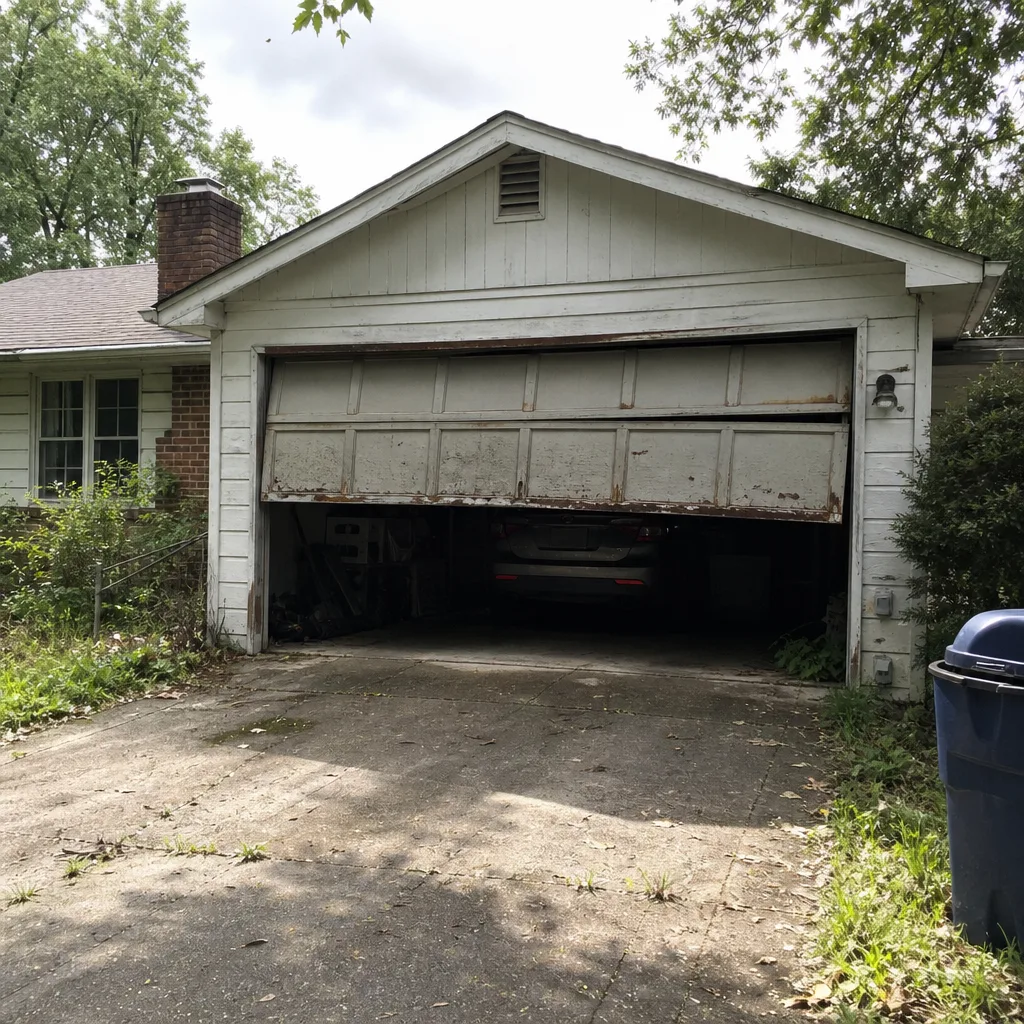 Before
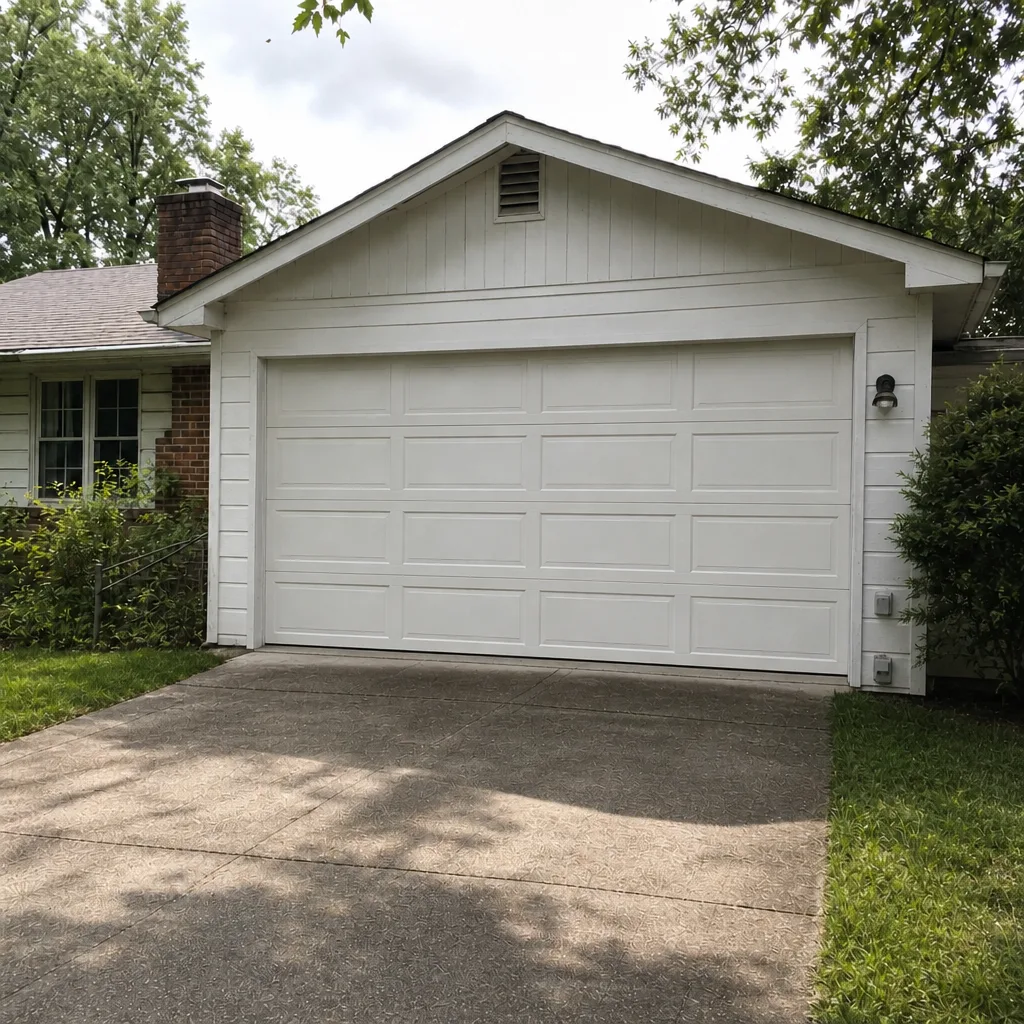 After
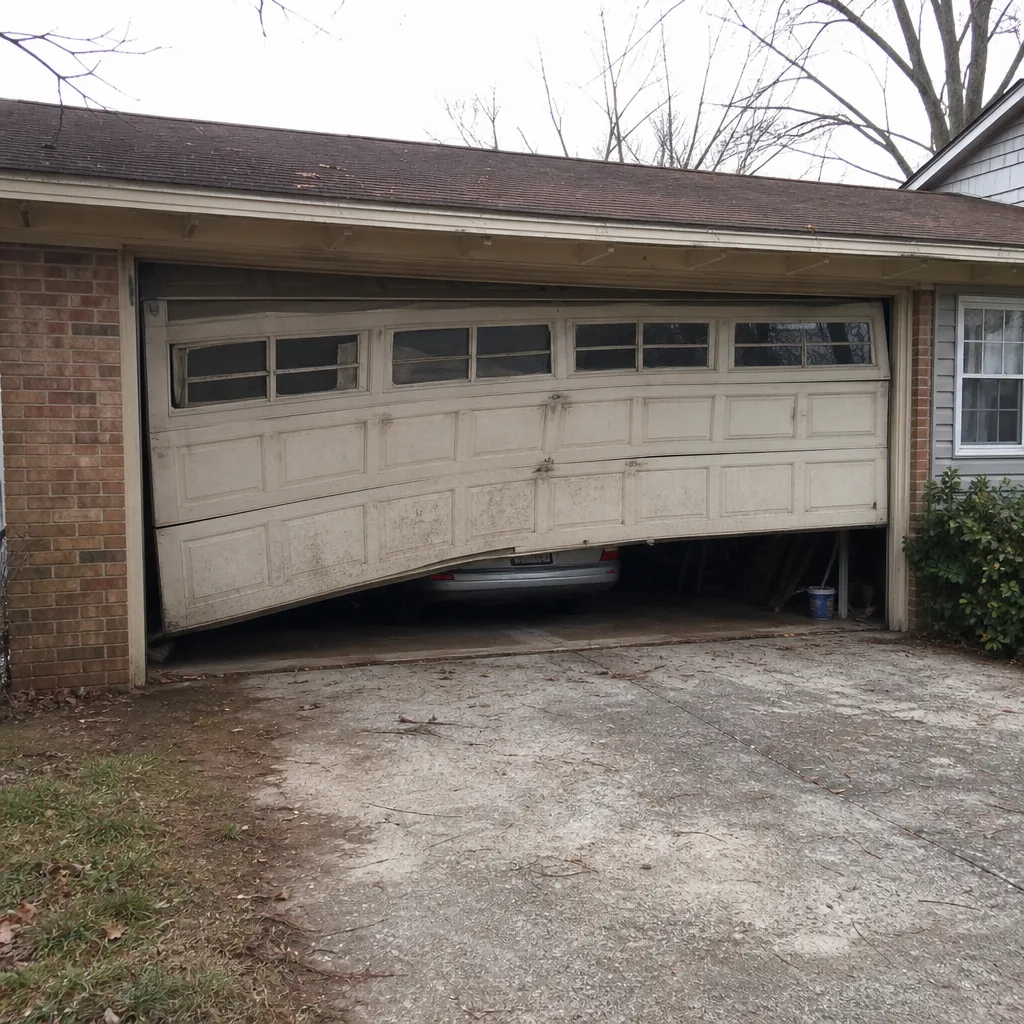 Before
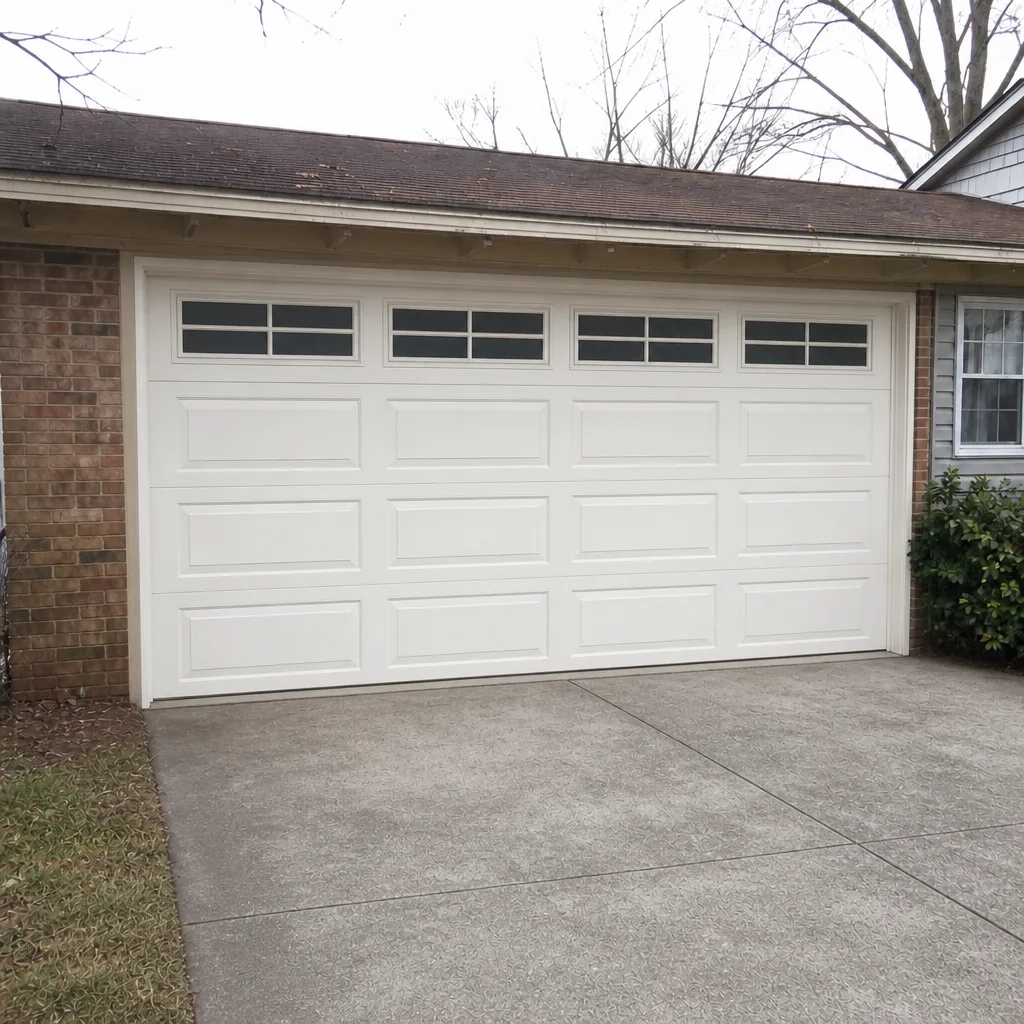 After
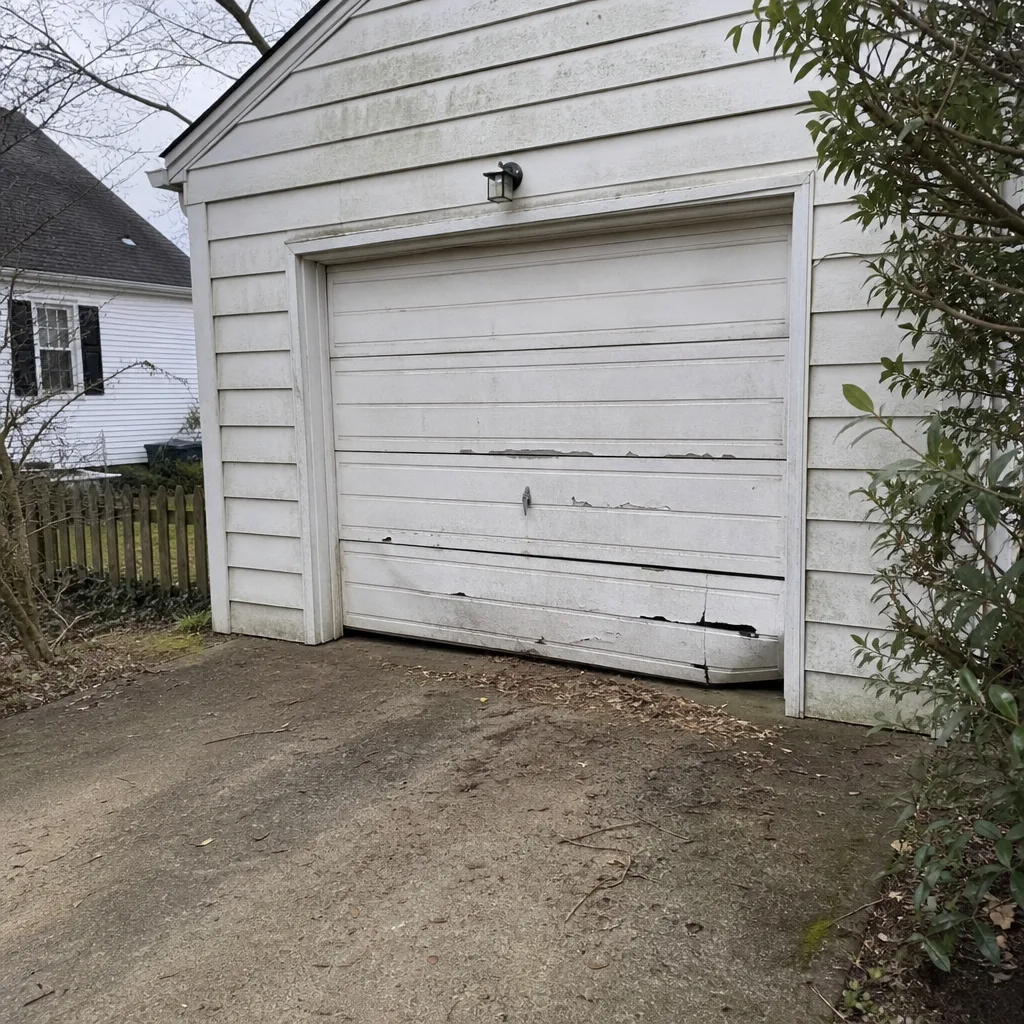 Before
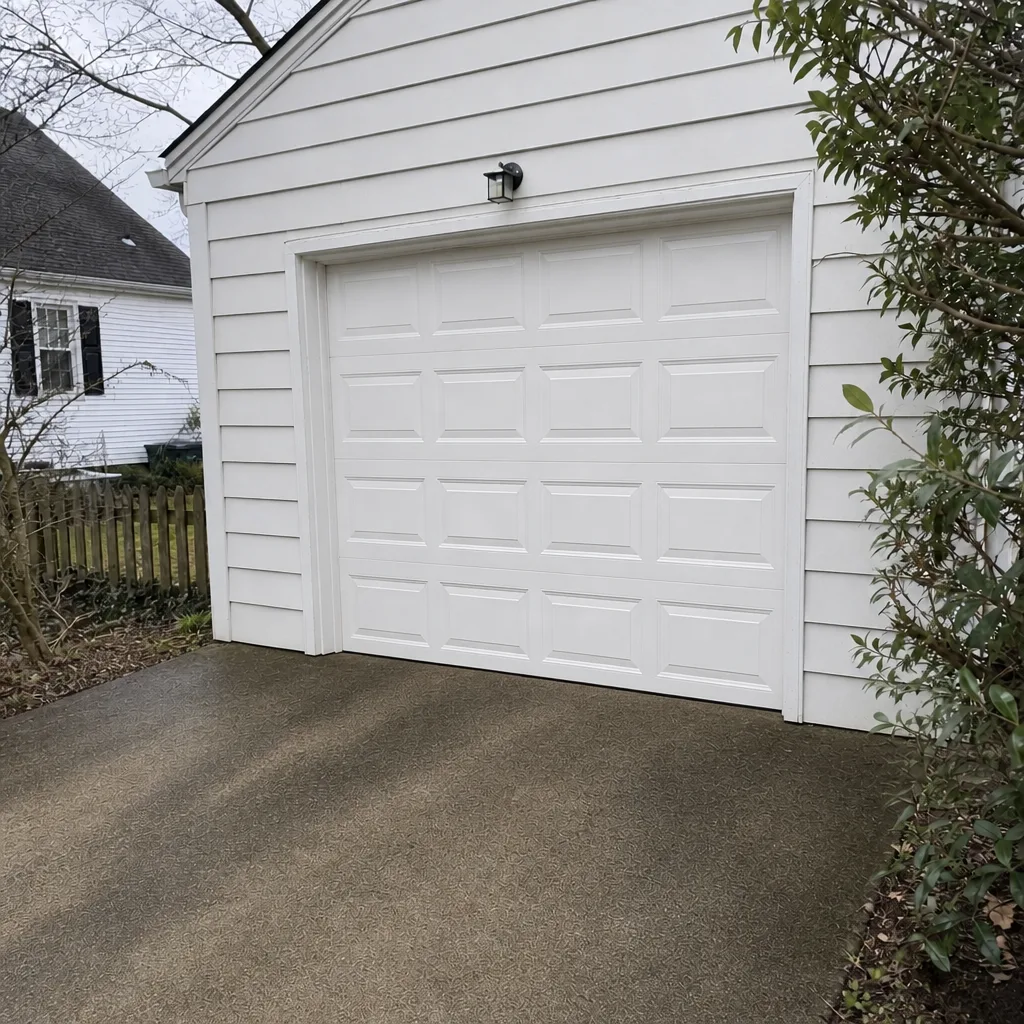 After
When to Call a Professional
Call a professional when the job involves a permit, which means most attached-garage replacements and any change to the opening. Call when the work involves springs or cables, which is the one category we don’t advise homeowners to touch. Call when a door has come off its track, when an opener needs replacing with a LiftMaster or Chamberlain unit that has safety sensors to wire, or when you’re unsure whether your past replacement was permitted and want to get it documented. A specialist can also tell you, quickly, whether your job is repair or replacement and therefore whether a permit applies. Charlottesville Garage Door Repair offers free estimates in Charlottesville, and our technicians have up to 15 years of experience across the major brands. Call (877) 770-2070 to get a clear answer on your job before you commit to anything.
Frequently Asked Questions
Usually yes, if the garage is attached to your house. The door is part of the fire-separation assembly, and a replacement generally requires a building permit and inspection in Charlottesville and Albemarle County. A like-for-like repair or a detached-garage swap often doesn’t, but confirm with the building department because the local code official makes the final call. Call (877) 770-2070 if you want help figuring out which category your job falls into, and estimates are free.
Almost never. An opener replacement is an appliance swap on the existing door and opening, not a structural change, so it usually falls outside permit scope. If the opening or door changes along with the opener, that’s a different story. Either way, an opener fault is a repair problem, and our garage door opener repair service handles LiftMaster, Chamberlain, Genie, and other brands. Call for a free estimate.
You may face a few possible consequences: the work may need to be permitted retroactively and inspected, and the unpermitted status can surface during a title search or an insurance claim. Virginia’s residential disclosure rules mean sellers generally have to disclose known unpermitted work. The fix is usually to get it documented and inspected. Call (877) 770-2070 and we can talk through what’s involved for your situation.
Timelines vary by jurisdiction and by whether historic design review applies to your property, so we won’t promise a number the building department sets. In general, a straightforward replacement permit moves faster than one that also needs design review. We recommend starting the permit question before you order the door, since the door itself has a lead time. Call us and we’ll help you sequence it.
Because they’re the highest-risk component on the door. Springs and cables are under high tension, and a spring that releases while someone is working on it can cause serious injury. Spring work isn’t a permit question; it’s a safety question. We consider it professional-only work and our garage door spring repair service is built around doing it safely. Call (877) 770-2070 for an estimate.
They can be. In a historic overlay district, an exterior garage door change visible from a public right of way may need design review before a building permit is issued. Design review looks at appearance; the building permit looks at code compliance. A replacement can need both. If you’re unsure whether your home is in a district, the city planning office can tell you. Call us for a free estimate and we’ll help you plan around it.
The Bottom Line
The single question that decides your permit path is whether the job is a repair or a replacement, and if a replacement, whether the garage is attached. Repairs, spring work, and opener swaps typically need no permit; attached-garage replacements generally do. Add historic district review in parts of Charlottesville, and the process has a few steps. Get the permit, keep the paperwork, and don’t skip spring safety. That paper trail is what protects you at resale and on a claim. If you’d rather have a professional sort the category for you, our technicians have up to 15 years of experience and we’re happy to give you a straight answer.
Charlottesville Garage Door Repair handles the full life of your door, from Charlottesville garage door repair and openers to springs and new installation, and we work on the brands you already own. When your door won’t move, we will. Call (877) 770-2070 for a free estimate and let’s get your job on the right track before any work starts.
Written by the team at Charlottesville Garage Door Repair.