Last updated November 23, 2026
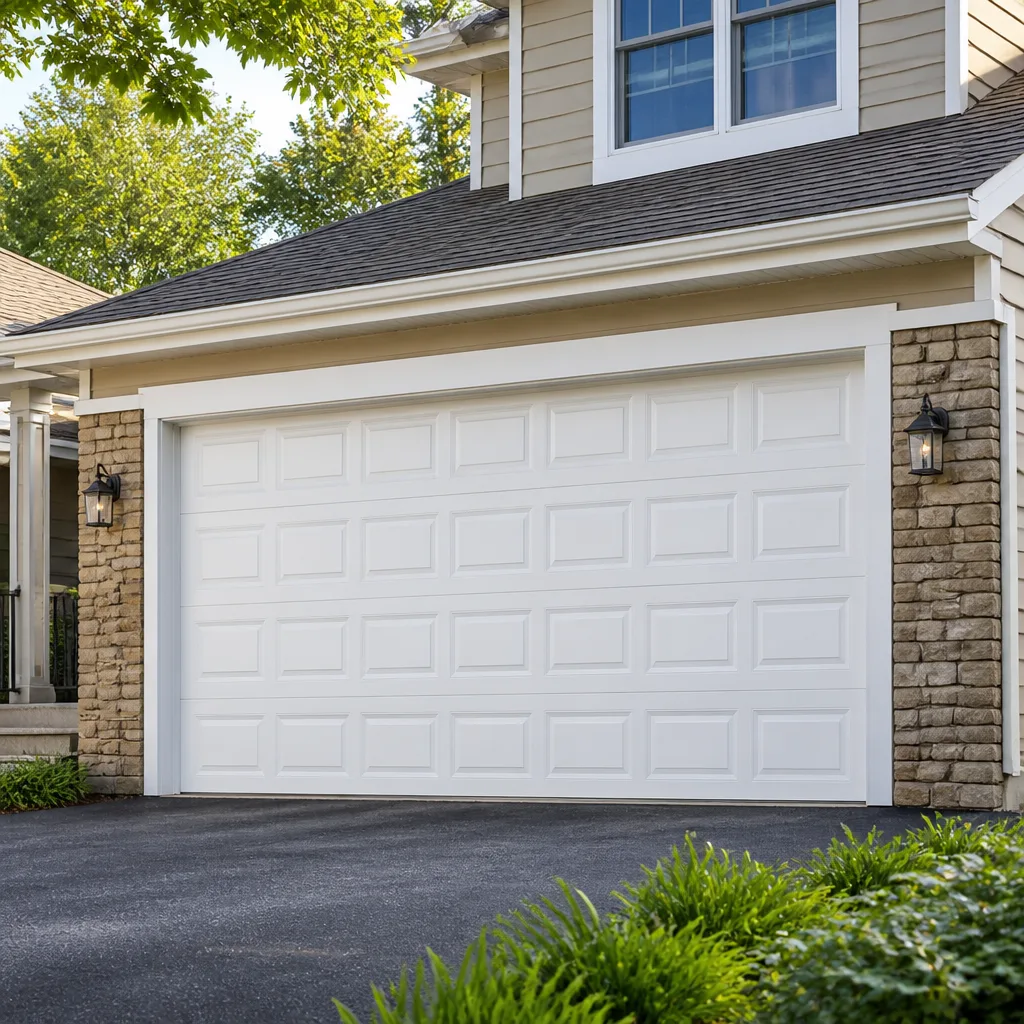 Raised-panel steel
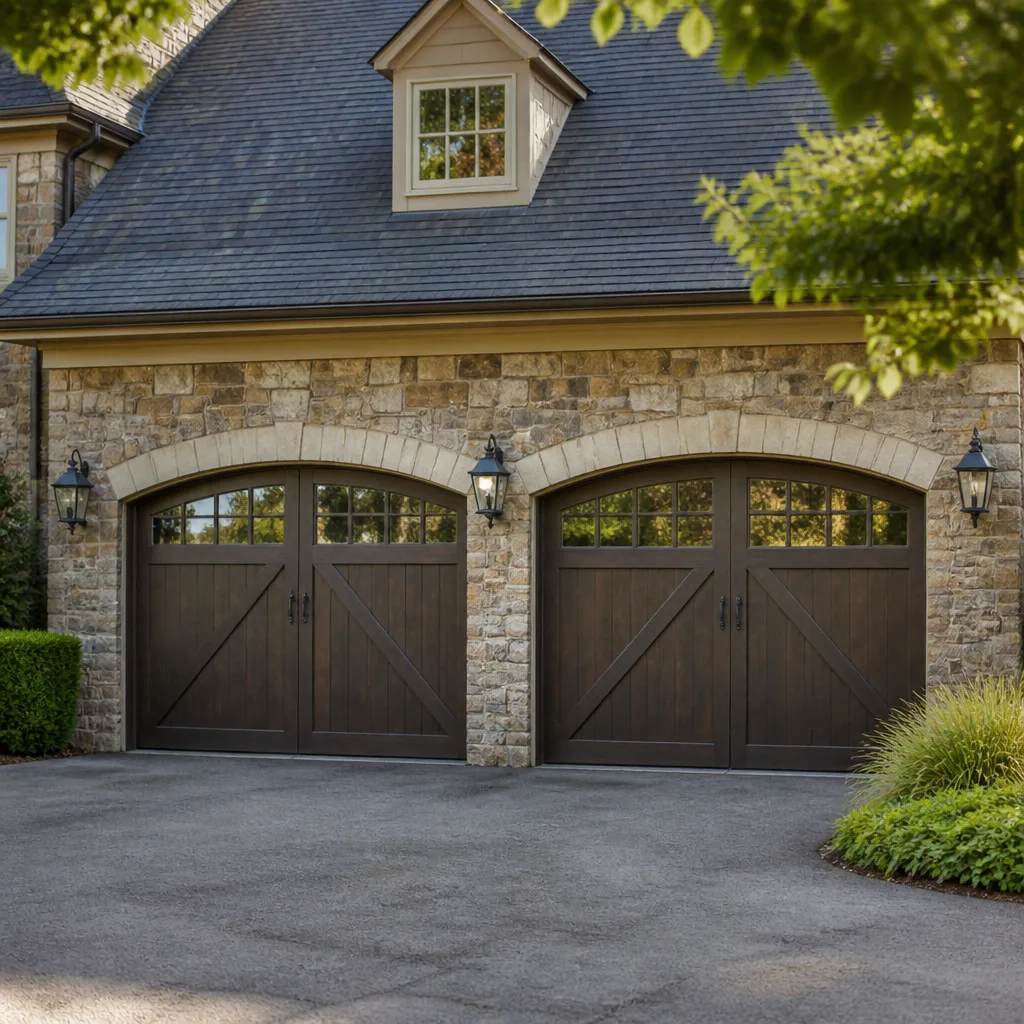 Carriage house
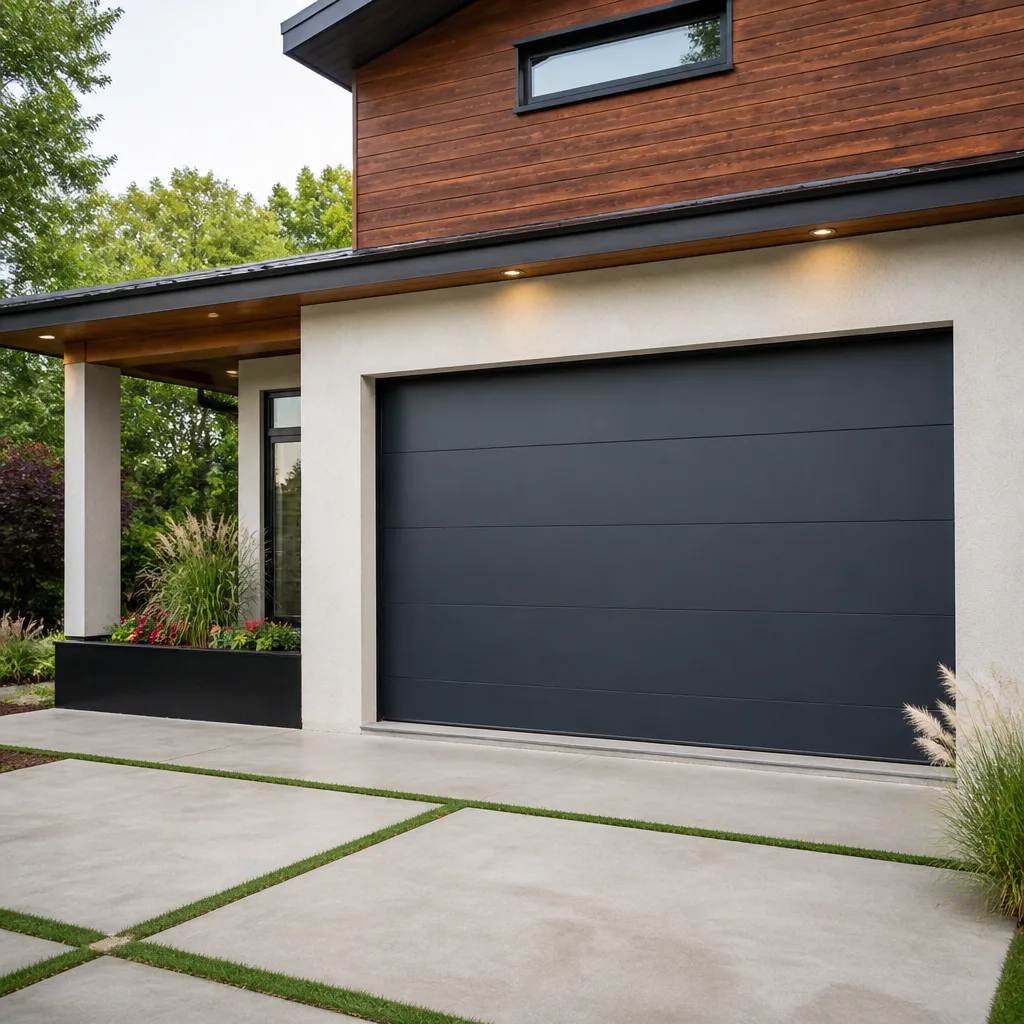 Modern flush
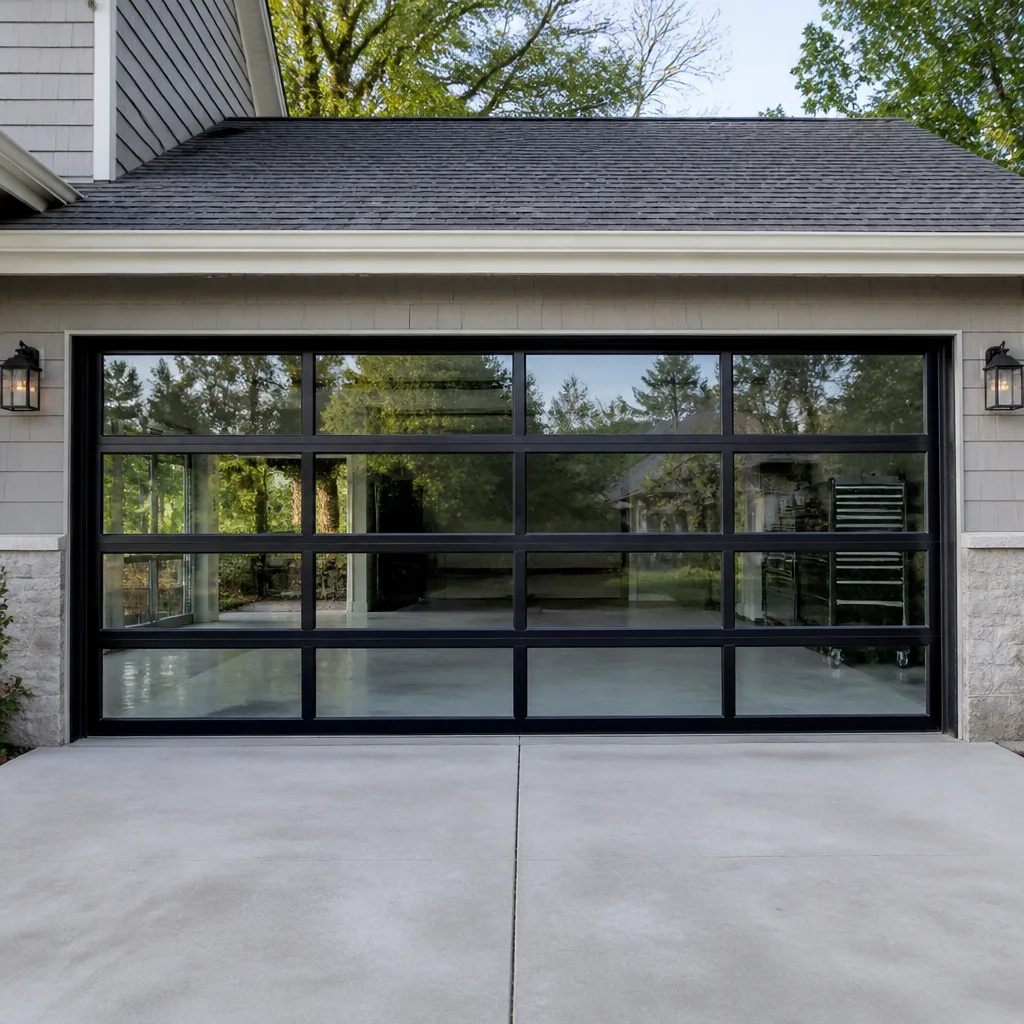 Full-view glass
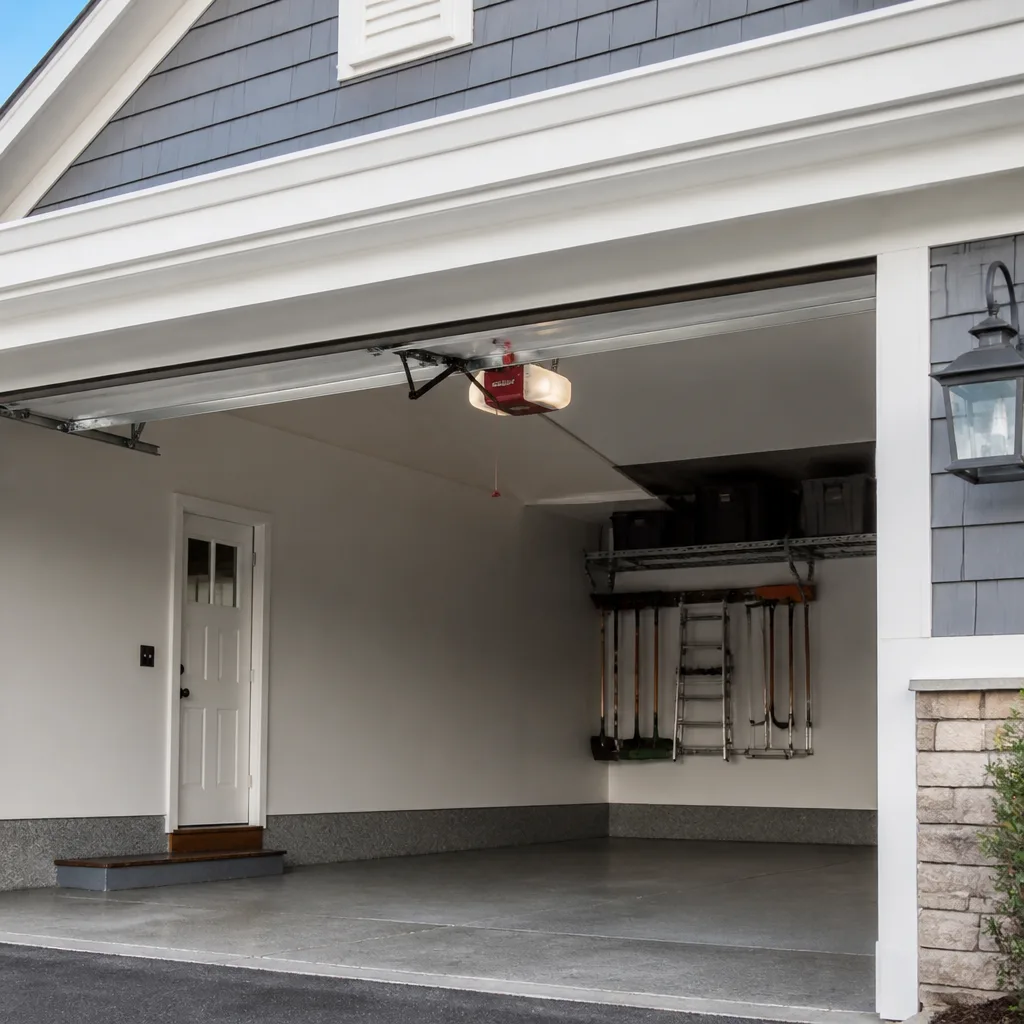 LiftMaster openers
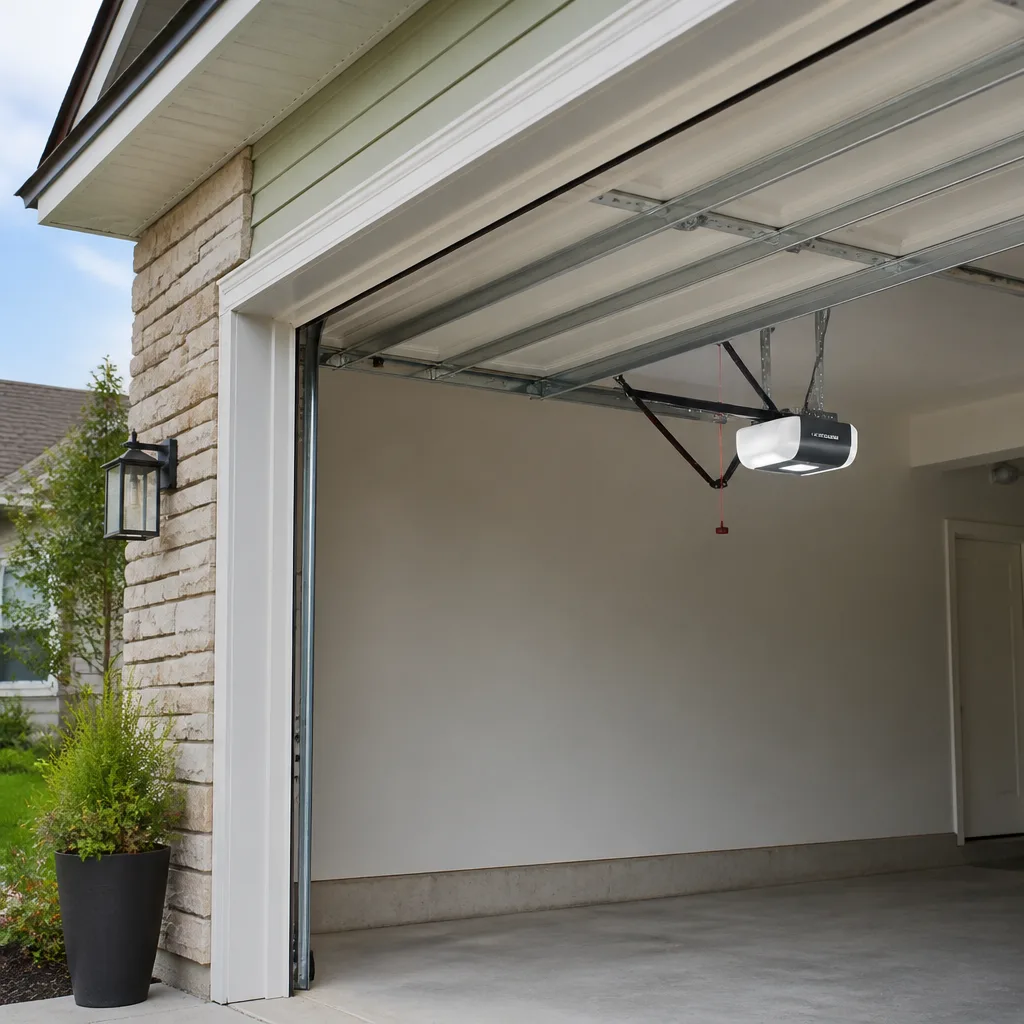 Chamberlain openers
Full 25-point door and opener safety check with every visit - springs, cables, rollers, tracks, and your LiftMaster or Chamberlain opener included
You get a price before we start. It does not change when the pro arrives.
Get your free estimateSeasonal Garage Door Care for Charlottesville: Year-Round Homeowner’s Guide
Most garage door advice you’ll find online was written for a two-season climate. Clean the tracks, oil the rollers, call it done. That routine works fine in places where winter is mild and summer is dry, but Charlottesville doesn’t cooperate. This is a four-season climate band with real cold, real heat, and real humidity, and each one stresses a different part of the door. The care that protects painted steel from August UV is not the care that keeps a bottom seal from freezing to the slab in January. This guide walks through all four seasons one at a time, explains what’s actually happening to your springs, cables, rollers, and opener, and gives you a schedule you can run yourself. Some of it you can handle. The parts under tension you should not touch.
Quick Answer
Seasonal garage door care in Charlottesville needs four separate routines, not one: winter protection against freeze-down and cold-stiffened lubricant, spring cleaning of pollen and moisture from the opener’s logic board, summer management of UV fade and heat on south-facing steel doors, and fall clearing of leaf debris from tracks and drainage before the ground freezes. Every season also calls for a visual check of springs, cables, and rollers, with any tension adjustment left to a trained technician.
Styles & brands we work with
- Raised-panel steel
- Carriage house
- Modern flush
- Full-view glass
- LiftMaster openers
- Chamberlain openers
Table of Contents
- Why Charlottesville Needs a Four-Season Routine
- Winter: Freeze-Down, Cold Lubricant, and Stiff Hardware
- Spring: Pollen, Moisture, and Your Opener’s Logic Board
- Summer: UV, Heat, and South-Facing Doors
- Fall: Leaves, Tracks, and Drainage Before Freeze
- How Temperature Affects Spring and Cable Tension
- Your Year-Round Maintenance Schedule
- Common Mistakes to Avoid
- When to Call a Professional
- Frequently Asked Questions
Why Charlottesville Needs a Four-Season Routine
Charlottesville averages 10 days per year below 20°F and 30 days above 90°F, and it takes in about 45 inches of rain annually. Put those numbers side by side and you get more thermal and moisture stress on a garage door than most of the Mid-Atlantic sees. It’s a genuine four-season climate: cold enough for freeze damage, hot enough for UV degradation, humid enough for rust and wood swelling.
Your door is a big moving assembly of steel, aluminum, wood, rubber, and springs, and each material responds to temperature and moisture differently. Steel expands and contracts. Wood swells with humidity and shrinks when the air dries out. Rubber seals go stiff in the cold and brittle in the sun. Springs lose and gain tension as the metal changes temperature. When all of that happens in the same year, in the same door, you get problems that a milder climate never produces.
What that means in practice is that you can’t run one maintenance checklist all twelve months. A lubricant that works at 70°F can thicken enough at 15°F to drag on the door. A bottom seal that glides fine in June will freeze to a cold slab in a January cold snap if water gets trapped under it. Pollen that peaks in April finds its way into every seam and vent, including the ones on your opener. UV that’s weak in winter gets strong enough by July to fade a south-facing steel door noticeably over a few summers.
We work on doors all over Charlottesville, from older homes with wood doors to newer builds with insulated steel, and the seasonal complaints follow a pattern. The winter calls are about doors that won’t close or seals stuck to the floor. The spring calls are about openers acting up. Summer brings fade and heat-related opener faults. Fall brings grinding tracks full of leaves and grit. Each one has a fix, and most of them start with prevention.
Winter: Freeze-Down, Cold Lubricant, and Stiff Hardware
Winter is when a garage door reminds you it’s a machine. When Charlottesville drops below 20°F, three things happen at once: the bottom rubber seal can freeze to the concrete, lubricant thickens and stops doing its job, and the metal and springs get stiff. If you get ahead of those problems in late fall, winter is mostly uneventful.
Preventing bottom seal freeze-down
Freeze-down happens when water sits between the bottom rubber seal and the concrete slab, then freezes. The seal bonds to the floor, and the next time the opener lifts the door, it either tears the rubber or the door strains against the motor. In Virginia cold snaps, this is common on doors where snowmelt or rain pools at the threshold and doesn’t drain. A few habits prevent it:
- Clear snow and standing water away from the threshold so it can’t pool under the seal.
- Check that the seal makes contact without pressing hard into the slab. A seal that’s crushed flat holds water against the floor.
- Wipe the bottom seal dry after a wet spell if you can, and inspect it for cracks or a hardened edge.
- If the door is stuck, don’t force it with the opener. Stop, and if the seal is frozen to the slab, free it by hand before moving the door.
Lubricants that still work below 20°F
Not every lubricant holds up in a Virginia cold snap. Grease and some heavy oils thicken enough below 20°F that they drag on rollers, hinges, and the torsion system instead of easing it. A white lithium grease or a silicone-based spray designed for cold conditions stays fluid at low temperatures. Spray a light coat on the hinges, the roller stems, and the bearing plates, and wipe off the excess so it doesn’t collect grit. Since you’re already there, look over the garage door repair basics it pays to understand before something fails mid-winter.
Stiff hardware and the tension question
Cold makes steel springs and cables less elastic, so the door can feel heavier than it did in October. You might notice the opener laboring or the door moving unevenly at the start. If a door that ran fine all fall suddenly won’t stay balanced, that’s a spring tension issue, and it’s the one winter symptom you should not try to fix yourself. Torsion and extension springs are under extreme tension, and adjusting them in the cold, when the metal is already stiff, is a recipe for injury. Call a technician and let them handle it.
Spring: Pollen, Moisture, and Your Opener’s Logic Board
Spring in Central Virginia is beautiful and hard on openers. The pollen count climbs fast, and so does the moisture. Together they get into places that matter, and the opener’s logic board is one of them. Spring is also when people notice their door is running rougher than they remember, so it’s the season to inspect and clean.
How pollen and moisture reach the logic board
An opener’s logic board sits inside the motor housing. It’s not waterproof, and it isn’t sealed against fine dust. When pollen coats a door, the opener housing, the wall button, and the safety sensors, some of it works its way inside through vents, the antenna, and the seams. Add humidity and spring rain, and pollen can turn into a sticky film that traps moisture on the board. That’s when you get intermittent faults: a door that opens halfway and reverses, a remote that works one day and not the next, or a safety sensor that trips for no clear reason.
The fix is mostly prevention:
- Wipe down the opener housing and the wall control with a slightly damp cloth during pollen season, keeping moisture away from the vents.
- Clear pollen from the safety sensors at the bottom of the tracks, since a dusty lens is a common cause of false trips.
- Check the garage vents and door gaps so the space can breathe and dry out.
- If remotes and wall buttons start behaving erratically after a damp stretch, get the opener checked. A logic board issue is a common cause, and it’s a job for a technician. Our garage door opener repair service handles the brands you’re most likely to have.
Checking tracks, rollers, and seals in spring
Spring is also the season to look at the running gear. Check the tracks for dents and debris, and make sure the rollers turn freely. Look at the weatherstrip around the door edges for cracks, since a worn seal lets pollen, rain, and insects in. Lubricate the hinges and rollers now that temperatures are moderate, and you’ll set the door up for a smoother summer. If your door is a LiftMaster or Chamberlain opener driving the cycle, spring is a good time to confirm the safety reverse is working: place a block of wood on the floor, close the door, and see that it reverses on contact.
Summer: UV, Heat, and South-Facing Doors
Summer in Charlottesville brings 30 days above 90°F, and that sun angle hits south-facing garages hard. A painted steel door on a south-facing wall catches the most direct sun of the year, and UV does its damage a little at a time. You won’t notice it day to day, but over a few summers a south-facing door will fade faster than a north-facing one on the same street.
How UV affects a painted steel door
UV breaks down the clear coat and the paint resin on steel doors. The finish first loses its gloss, then fades, then starts to chalk. Once the paint coat is compromised, moisture gets into the seams and edges, and rust can begin. Insulated steel doors hold up well if the finish is maintained, but no factory finish lasts forever in full summer sun. The practical steps:
- Wash the door in early summer to remove pollen, dust, and bird droppings that hold moisture against the paint.
- Wax or apply a UV-protectant designed for painted steel once a season. This slows fade and helps the finish shed water.
- Touch up any chips or scratches before summer rain gets under the paint.
- Check the bottom edge and the section seams, where rust usually starts first.
Heat and the opener
A garage in full summer sun can run much hotter than the outside air. Openers have thermal protection that shuts the motor down when it gets too hot, which is why a door sometimes stops and then works again later on a hot afternoon. Keep the area around the opener clear and let air move through the space. If a Genie or Raynor opener shuts down repeatedly in the heat, it’s worth having it checked, because a motor that’s overheating can have a failing capacitor or a draggy door. A door that needs more force than it should puts extra load on the opener in hot weather.
Wood doors and humidity
If you have a wood door, summer humidity is its biggest enemy. Wood swells as it takes on moisture, which can bind the door in its tracks or push the panels out of alignment. Check that the door opens and closes smoothly through the humid months. If it starts sticking, that’s a sign moisture is getting into the finish. A fresh coat of exterior-grade sealant before summer protects wood from swelling, and it’s a routine chore that pays off.
Fall: Leaves, Tracks, and Drainage Before Freeze
Fall is the season that sets up winter. Everything you do now decides whether January is quiet or a repair. Leaves, grit, and the first cold rain combine to clog tracks and drainage, and a little prevention in October saves a lot of hassle in December.
Clearing tracks and drainage channels
- Clear leaves and debris from the tracks on both sides. A vacuum or a stiff brush gets the small grit that a leaf blower leaves behind.
- Wipe the tracks down with a damp rag and dry them. Don’t lubricate the tracks themselves; they’re meant to stay clean and dry so the rollers can run freely.
- Check the threshold and the graded area in front of the door. Water should drain away from the slab, not pool under the seal. Clear gutters and downspouts nearby so fall rain doesn’t dump at the door.
- Confirm the seal sits flush and doesn’t hold water, and check it for cracks before it hardens in the cold.
- Look at the hardware. Tighten any loose bolts on the hinges and brackets, but leave spring and cable adjustments to a technician.
Preparing springs and cables for cold
Fall is also the time to look at the springs and cables. As temperatures drop, springs lose some elasticity and cables can stiffen. A door that ran perfectly all summer may suddenly feel heavier or sit off-balance. That’s the time to look, not adjust. If you notice a gap in a torsion spring, a frayed cable, or a door that won’t balance, don’t run it. This is exactly the kind of issue our garage door spring repair team handles safely. A visual check in the fall tells you whether the winter ahead will be quiet or not, and catching a weakening spring early is far better than dealing with a snapped one on a cold morning.
How Temperature Affects Spring and Cable Tension
Your garage door’s springs are calibrated at a set weight. The door is balanced so the opener only has to guide it, not lift its full weight. Temperature changes the metal in those springs and cables, so a door that was balanced in April can feel heavy in January. It’s the single most common seasonal complaint we hear, and it’s also the one that scares people the most once they realize how much energy a spring stores.
Why the door feels different in cold and heat
Cold stiffens steel. Springs lose elasticity, cables tighten slightly, and lubricant gets thick. The result is a door that needs more force to move. Heat does the opposite: springs relax a bit, and a door can feel lighter or even drift. Neither of those conditions is a problem by itself, because the tension was set for a specific weight at a specific temperature. The problem comes when the door stops staying balanced across the year, which usually means a spring is weakening or a cable is out of adjustment.
What you can check, and what you can’t
You can check balance safely. Disconnect the opener with the release handle, lift the door manually to about halfway, and let go. A properly balanced door stays where you leave it. If it drops or runs up, it’s out of balance.
You can’t and shouldn’t adjust spring tension yourself. Torsion springs are under extreme tension, and a wrong turn of the winding bars can cause serious injury. The same goes for cables, which are under load at all times. The right approach is to have a technician inspect the system when the door starts to feel heavy or out of balance, which is what we’re trained to do. Our technicians have up to 15 years of experience working with these systems, and we’ve handled every major brand you’re likely to have.
Seasonal timing
Late spring and late fall are the natural checkpoints. Coils that are weakening tend to show it first when the temperature changes. If the door is balanced in both spring and fall, it’s probably healthy. If it’s off in one season and fine in the other, a technician should look at the spring and cable system to decide whether an adjustment or replacement makes sense. For a fuller read on what goes into a safe spring job, see our main Charlottesville garage door repair page.
Your Year-Round Maintenance Schedule
Here’s the whole year in one place. This is a homeowner’s checklist, not a technician’s list, so it stays within what you can safely do. Anything involving springs, cables, or opener internals goes to a professional.
Winter (December through February)
- Keep snow and standing water away from the threshold to prevent seal freeze-down.
- Use a cold-rated white lithium or silicone lubricant on hinges and roller stems.
- Listen for a strained opener and check that the door stays balanced. If it doesn’t, call for service.
Spring (March through May)
- Wipe pollen from the opener housing, wall button, and safety sensors.
- Inspect the logic board symptoms: erratic remotes, partial openings, false sensor trips.
- Check tracks and rollers, clean the weatherstrip, and confirm the safety reverse works.
Summer (June through August)
- Wash the door, wax or apply a UV protectant, and touch up chips.
- Watch for opener overheating on hot afternoons and keep the area ventilated.
- Check wood doors for swelling and binding in the humidity.
Fall (September through November)
- Clear leaves and grit from the tracks and dry them.
- Clear gutters and the threshold area so water drains away from the slab.
- Check the seal for cracks, inspect springs and cables visually, and tighten loose hardware. Call if you see a gap, a fray, or a door that won’t balance.
If you’d rather not run this yourself, a single yearly professional tune-up covers the safety-critical pieces and confirms the door is balanced and the opener is healthy. Our goal on every visit is to tell you what’s working, what’s wearing, and what the next step is without pushing a repair you don’t need.
Common Mistakes to Avoid
- Using grease or heavy oil in winter. It thickens below 20°F and drags on the rollers and hinges instead of helping. Use a cold-rated lithium or silicone lubricant and wipe off the excess.
- Lubricating the tracks. Tracks are meant to stay clean and dry so the rollers can run. Oil on the tracks collects grit and accelerates wear.
- Ignoring pollen and moisture on the opener. In Central Virginia’s high-pollen spring, dust and moisture on the logic board cause erratic faults that get blamed on remotes. Wipe the housing and sensors and have the opener checked if it misbehaves.
- Forcing a frozen door. If the seal is stuck to the slab, forcing it with the opener tears rubber or strains the motor. Free it by hand first.
- Adjusting spring tension yourself. It’s the most dangerous part of the whole system. Seasonal tension adjustment is a technician job, full stop.
- Skipping the fall drainage check. Water pooling at the threshold all winter is how you get freeze-down, rust, and a compromised seal. Clear it before the ground freezes.
- Letting a south-facing steel door go unpainted. UV will fade and chalk that finish faster than a north-facing door on the same street. Wash, wax, and touch up every summer.
When to Call a Professional
Some seasonal work is a homeowner job. A few things need a trained technician, and knowing the difference is what keeps the door safe. Call us when a spring is visibly gaped or snapped, when a cable is frayed or loose, when the door is badly out of balance, or when the opener cycles erratically after moisture and pollen season. A door that won’t close after the seal freezes and the opener keeps reversing is another sign to get help. We service every major brand, including LiftMaster, Chamberlain, Genie, and Raynor, and we handle spring repair safely, which is the highest-tension, highest-risk part of the door. We also provide emergency garage door service if a door fails and you need it working. Charlottesville Garage Door Repair offers free estimates in Charlottesville. Call (877) 770-2070.
Frequently Asked Questions
Once a year is the baseline, and late fall is the best time to schedule it, so the door is tuned before winter cold and freeze-down. If you have a wood door, a south-facing steel door, or a door that’s more than a few years old, adding a spring check in late spring is worthwhile. Outside those visits, a quick monthly visual check of springs, cables, rollers, and the seal catches most problems early.
Cold stiffens the springs and cables and thickens the lubricant, so the door needs more force to move. That’s normal up to a point. If the door won’t stay balanced when you lift it by hand, a spring is likely weakening and should be checked by a technician. Call (877) 770-2070 for an exact quote on a spring inspection. Estimates are free.
The most common cause is pollen and moisture working into the opener’s logic board and sensors. Central Virginia’s spring pollen season coats the housing and sensor lenses, and the resulting film traps moisture that causes erratic openings and false safety trips. Cleaning the sensors and housing helps, and if the opener still misbehaves, get it checked. Call (877) 770-2070 to book an opener inspection.
If the door is on a south-facing wall, yes. Summer sun in Charlottesville fades and chalks painted steel over time, and UV breaks down the clear coat first. Waxing or applying a UV protectant once a season slows the fade and helps the finish shed water. It’s a small job that prevents repainting and rust down the line.
No. Torsion and extension springs are under extreme tension, and adjusting them is dangerous without the right training and tools. You can safely check balance by hand, but any actual adjustment should be done by a technician. Call (877) 770-2070 if your door feels out of balance and we’ll take a look. Estimates are free.
Spring and early fall are the easiest times for installation, because the mild weather makes it simple to get the door sized, ordered, and fitted without fighting cold or heat. That said, a door can be replaced any time of year. We measure first, give you a written price, and schedule the install, so there’s no rush and no guesswork.
The Bottom Line
A garage door in Charlottesville lives through 10 days below 20°F, 30 above 90°F, and about 45 inches of rain a year, and each season puts a different kind of stress on it. Winter is about freeze-down, cold lubricant, and stiff springs. Spring is pollen, moisture, and the opener’s logic board. Summer is UV fade and heat on south-facing steel. Fall is leaves, tracks, and drainage before the ground freezes. Run the seasonal checklist, stay clear of spring and cable adjustments, and have the door checked when it starts to feel off. That’s the whole routine.
If you’d like a professional set of eyes on your door before the next season changes, call Charlottesville Garage Door Repair at (877) 770-2070 for a free estimate. We work on all major brands, we do spring repair safely, and garage doors are all we do.
Written by the team at Charlottesville Garage Door Repair.
See the difference
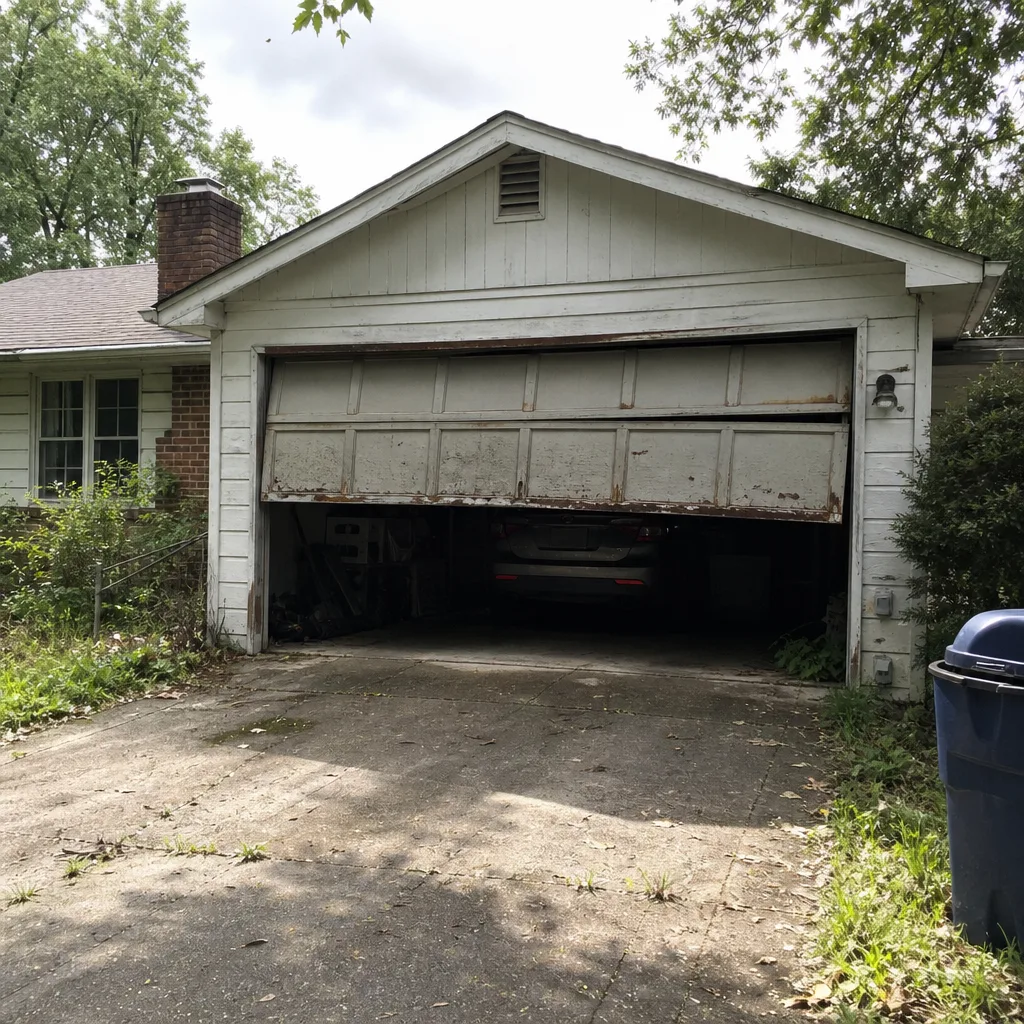 Before
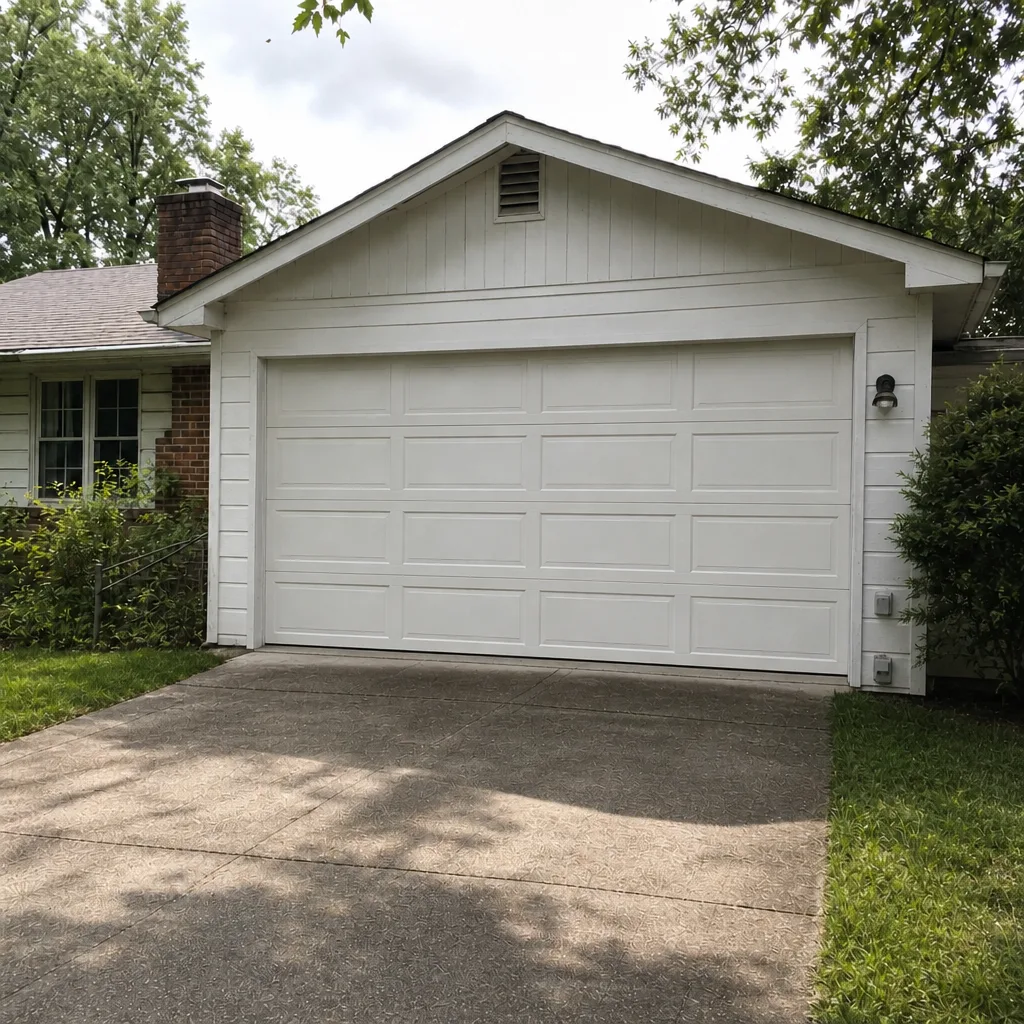 After
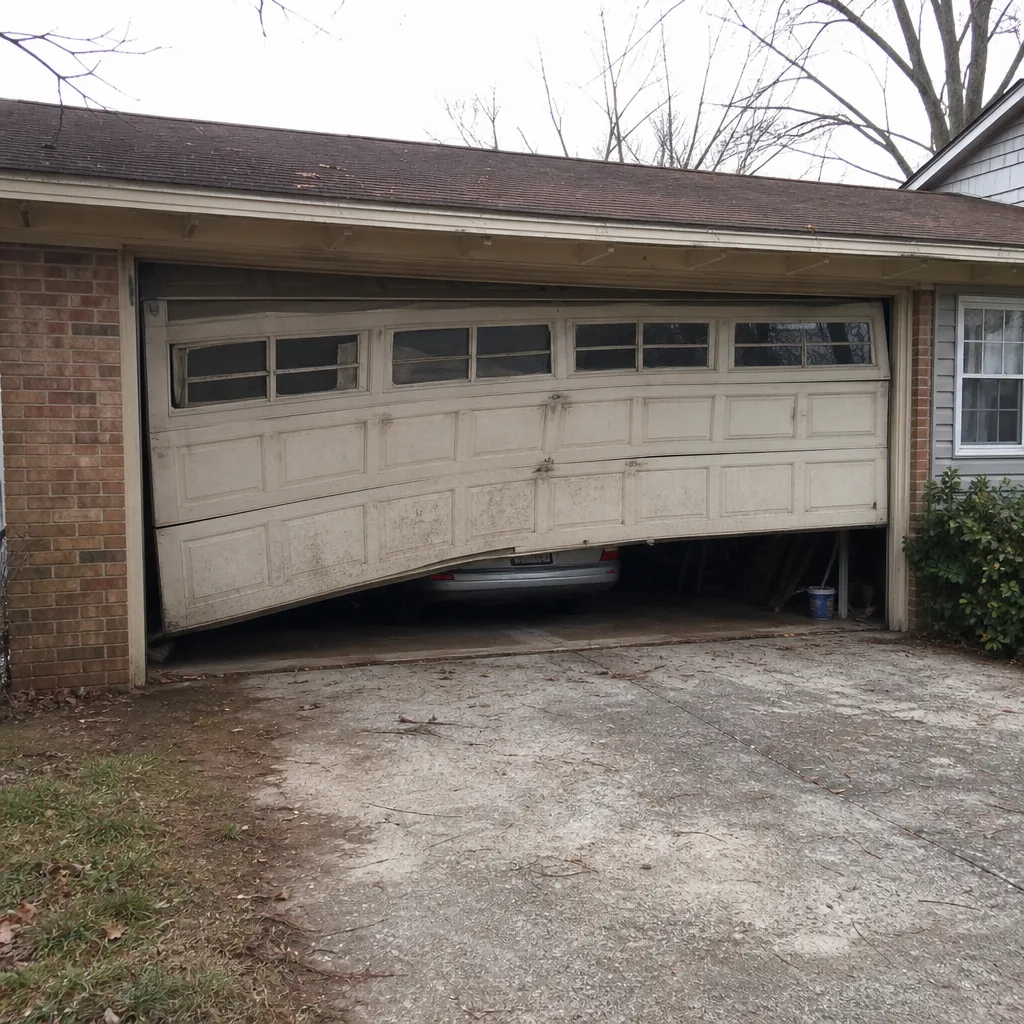 Before
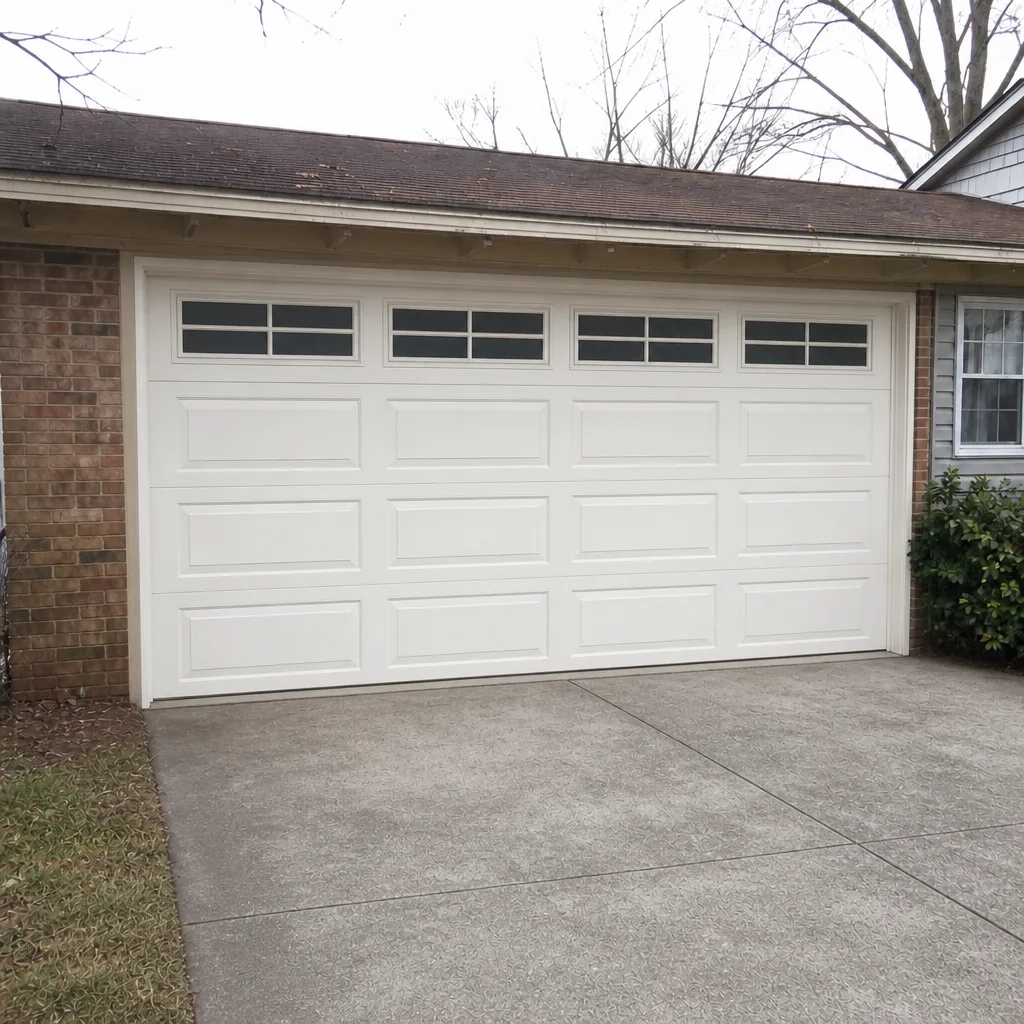 After
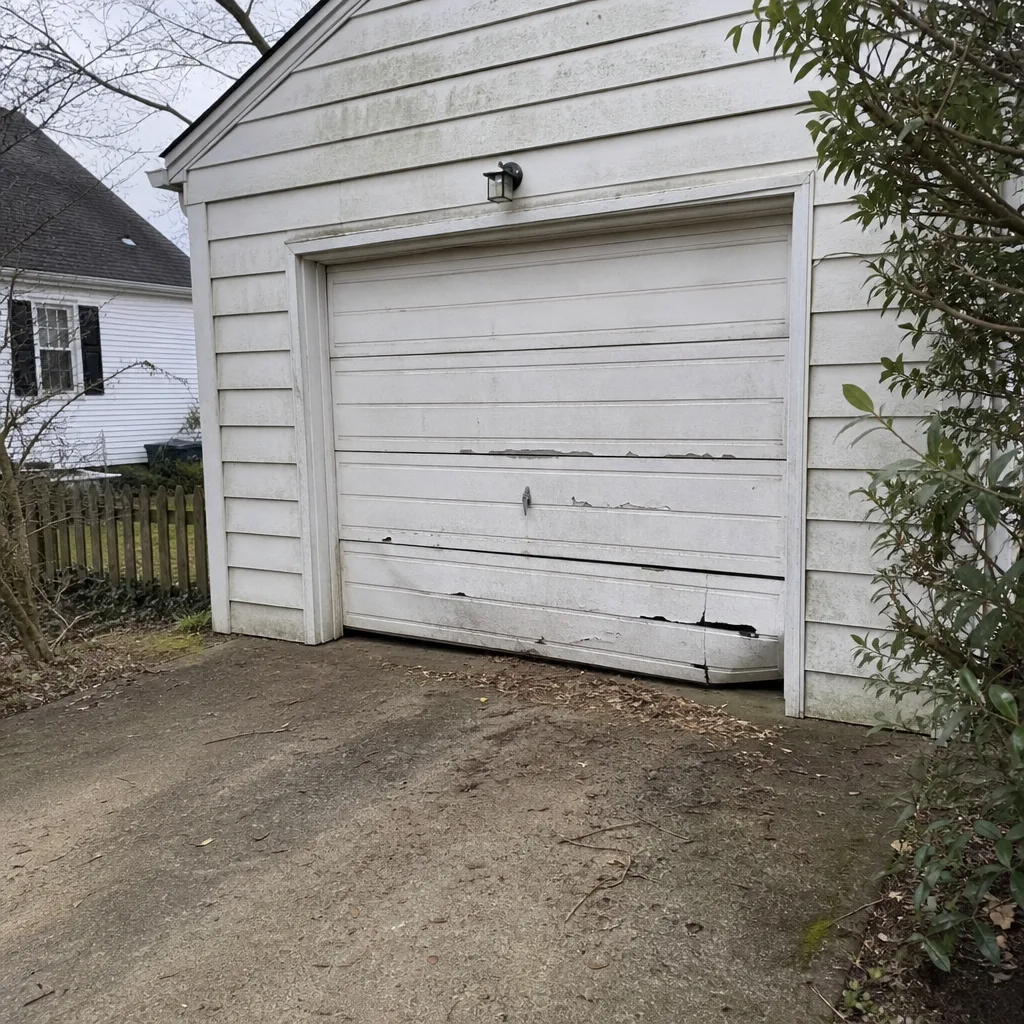 Before
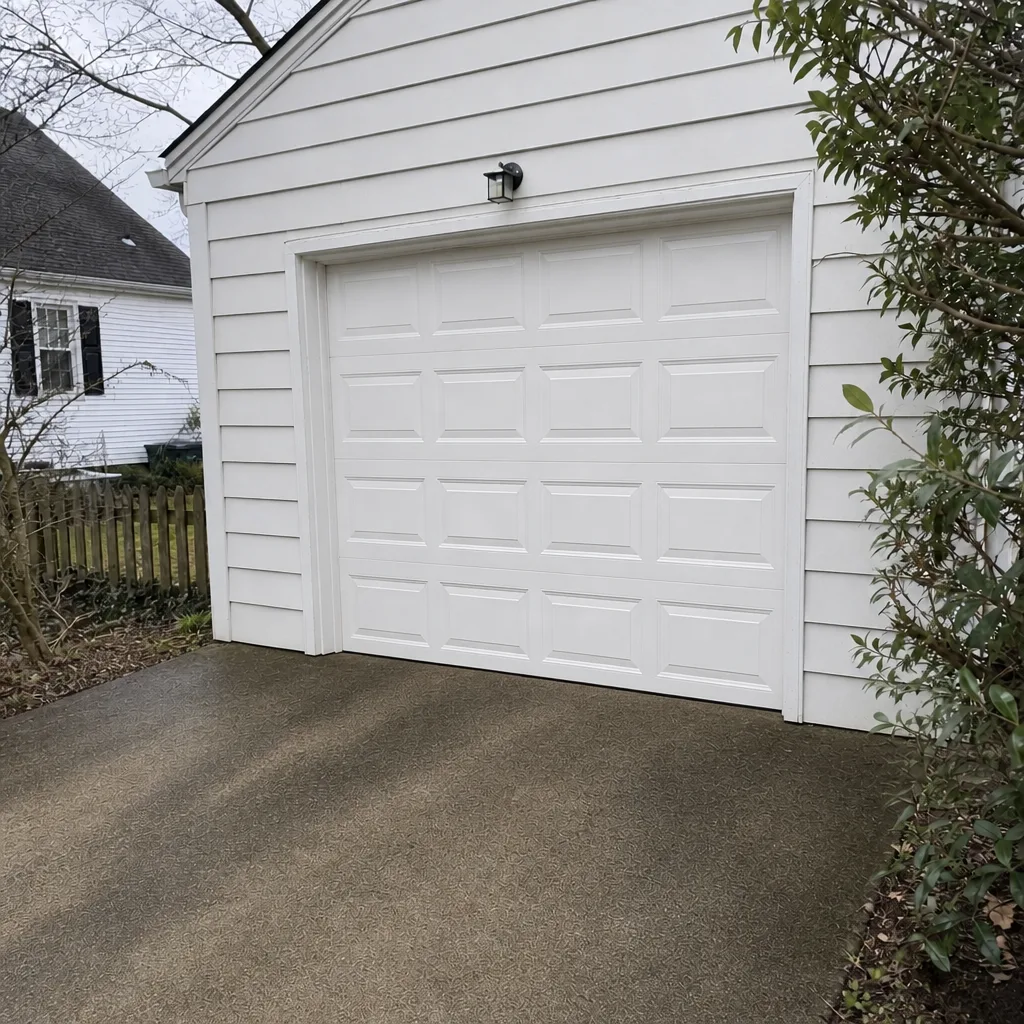 After