Last updated November 23, 2026
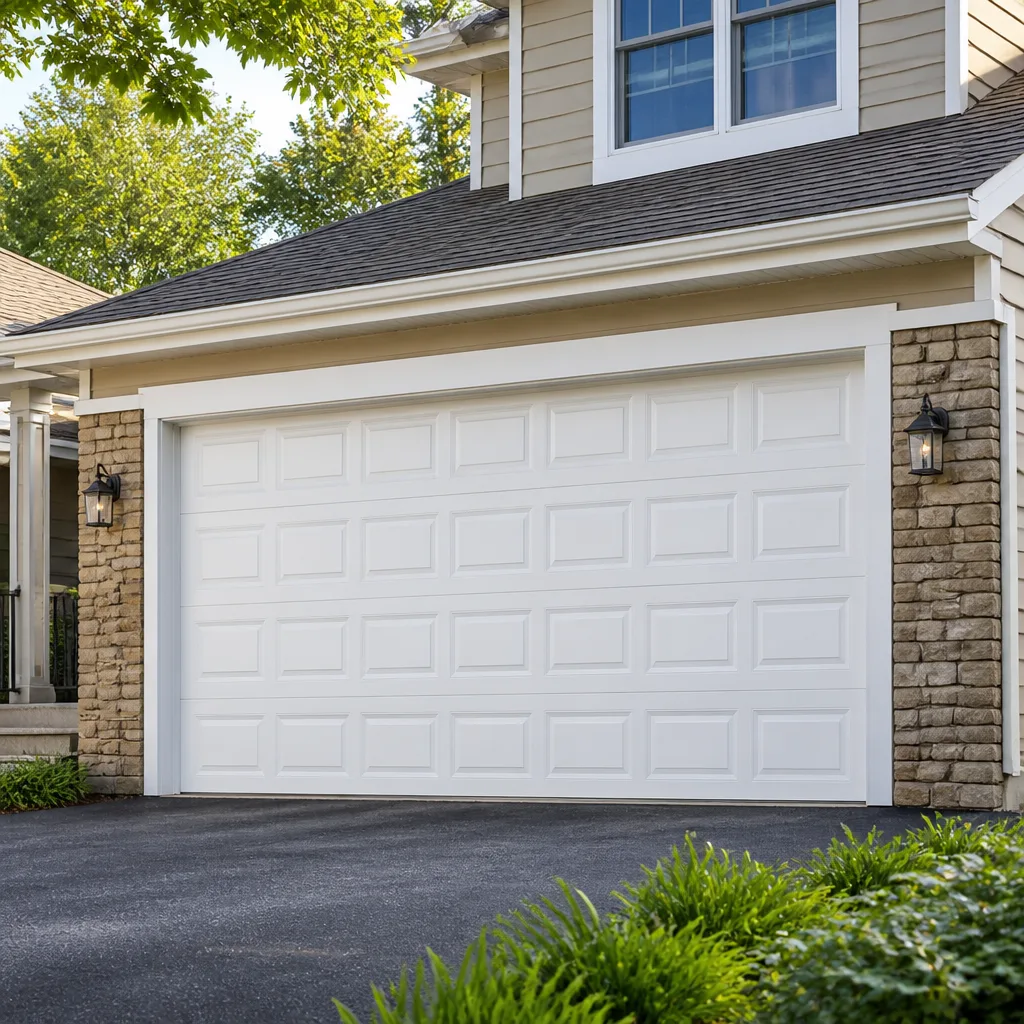 Raised-panel steel
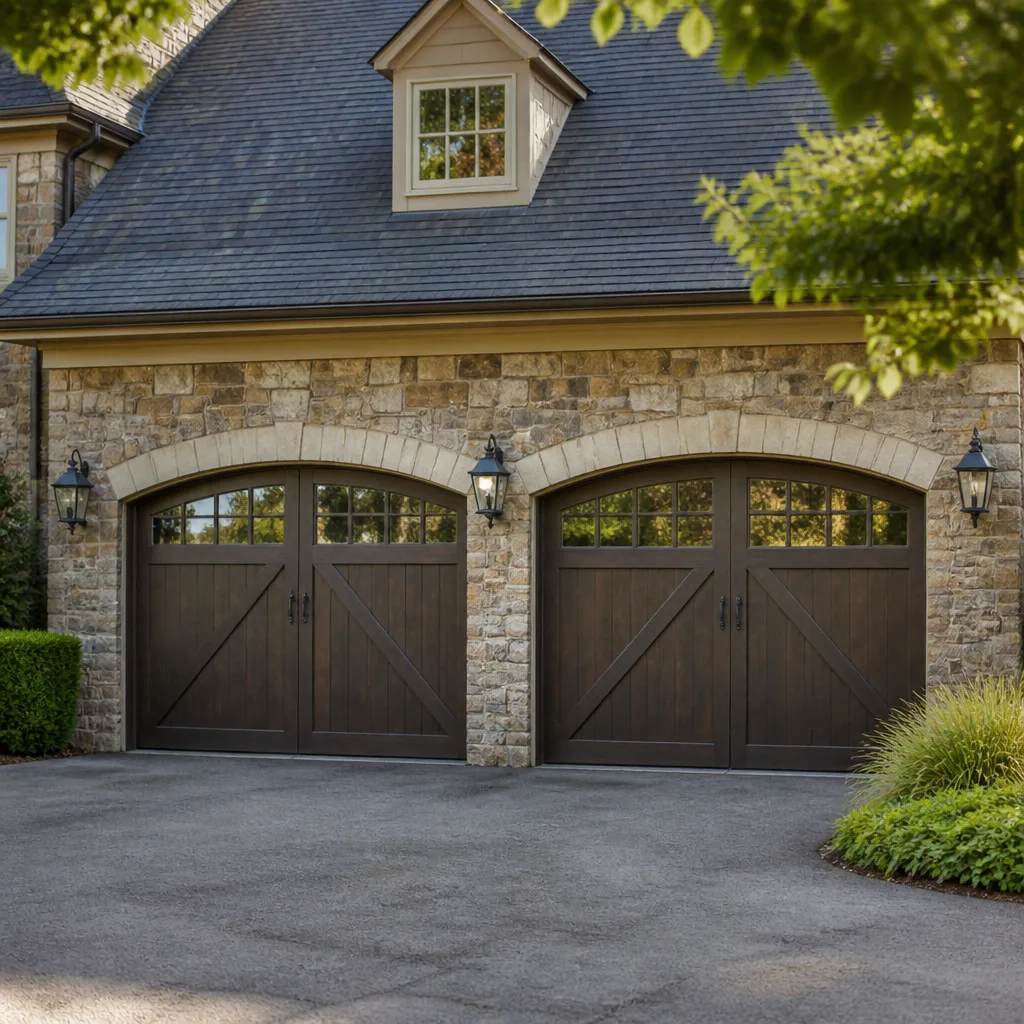 Carriage house
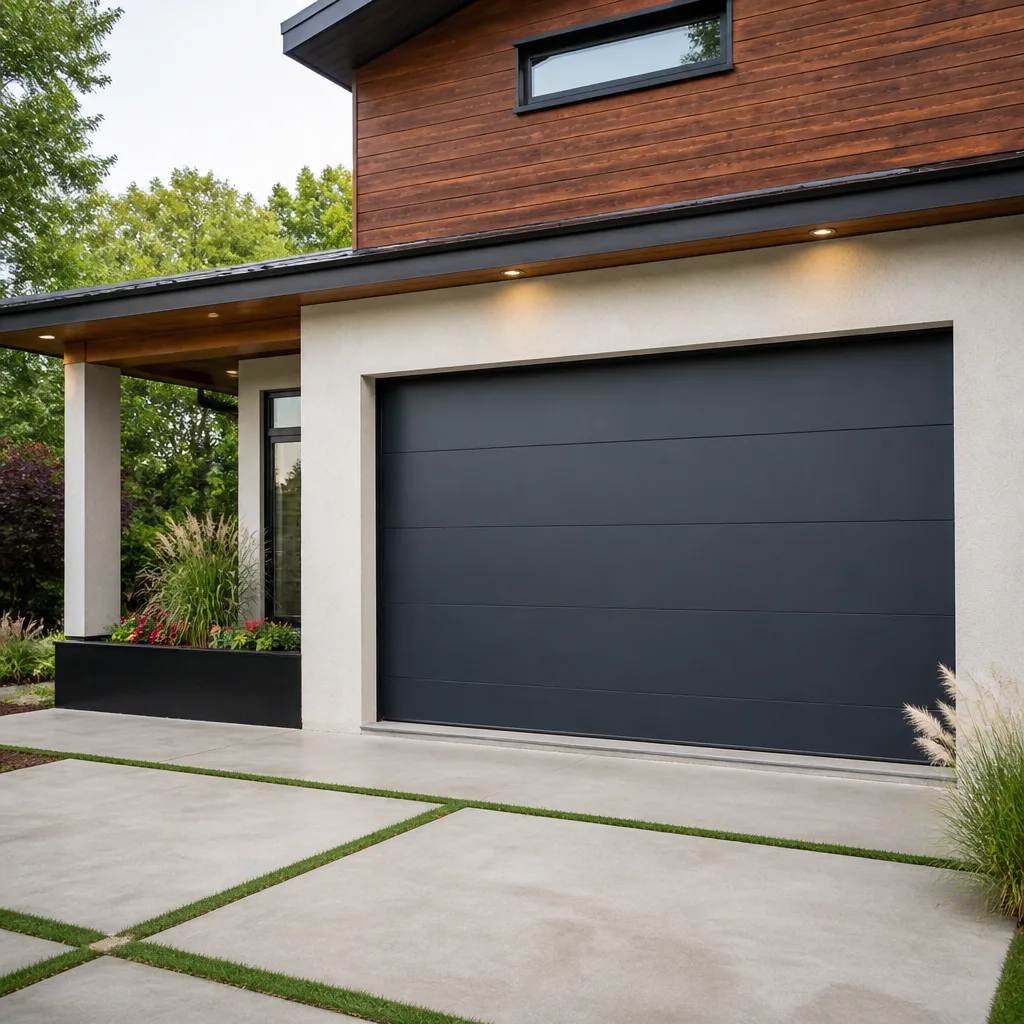 Modern flush
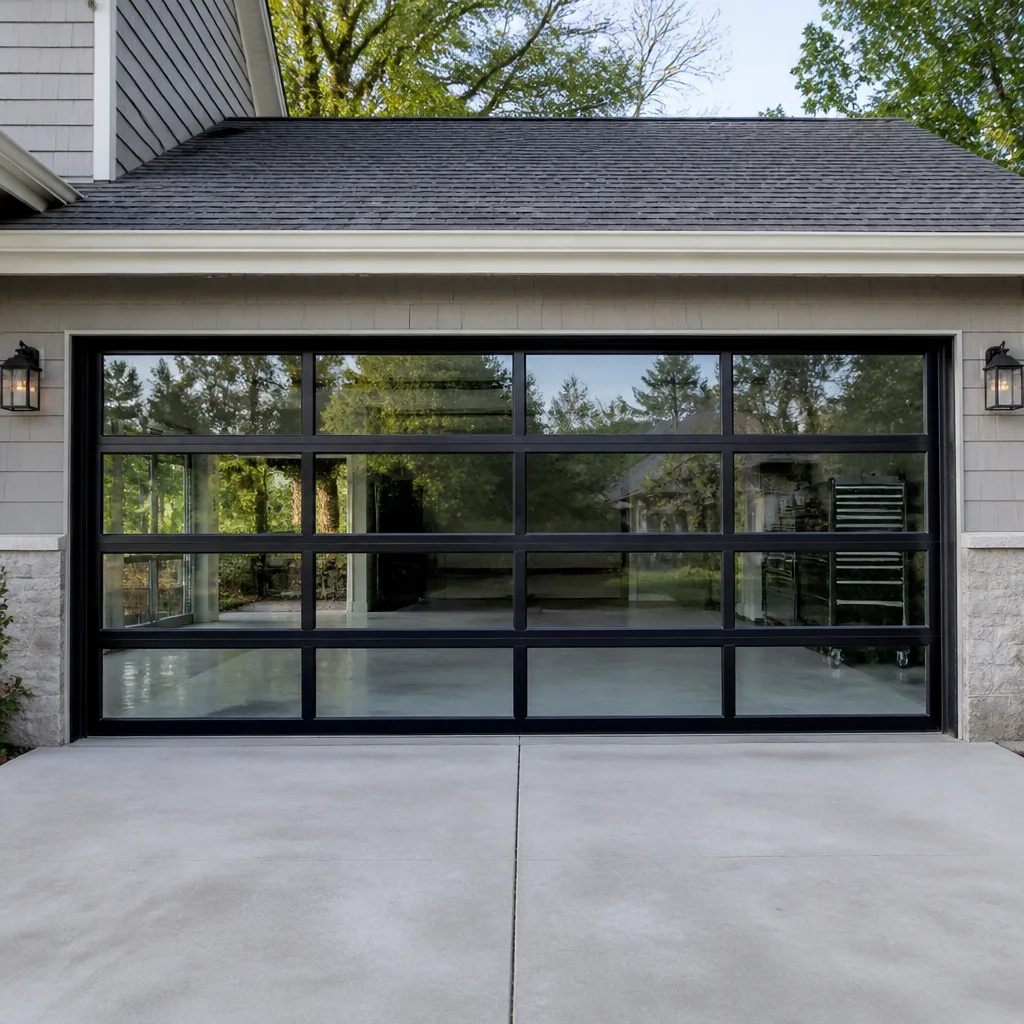 Full-view glass
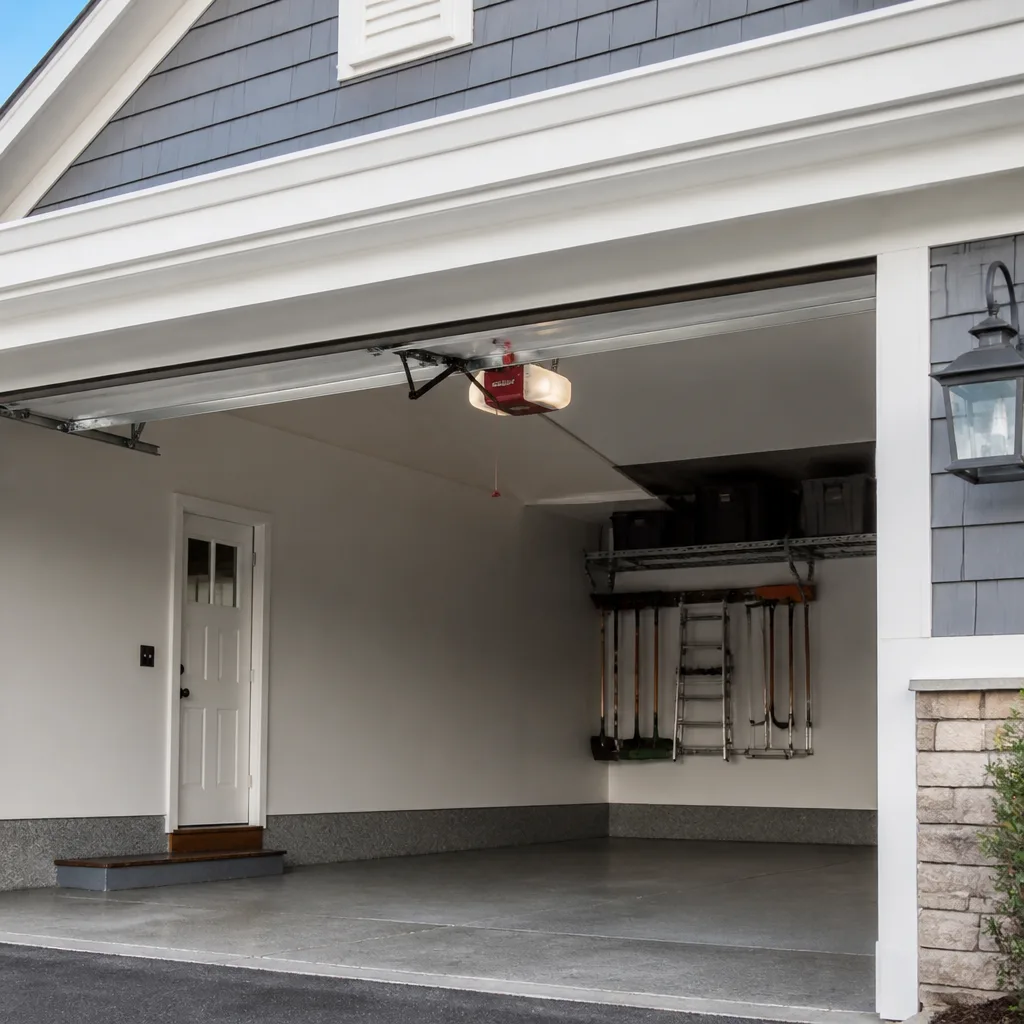 LiftMaster openers
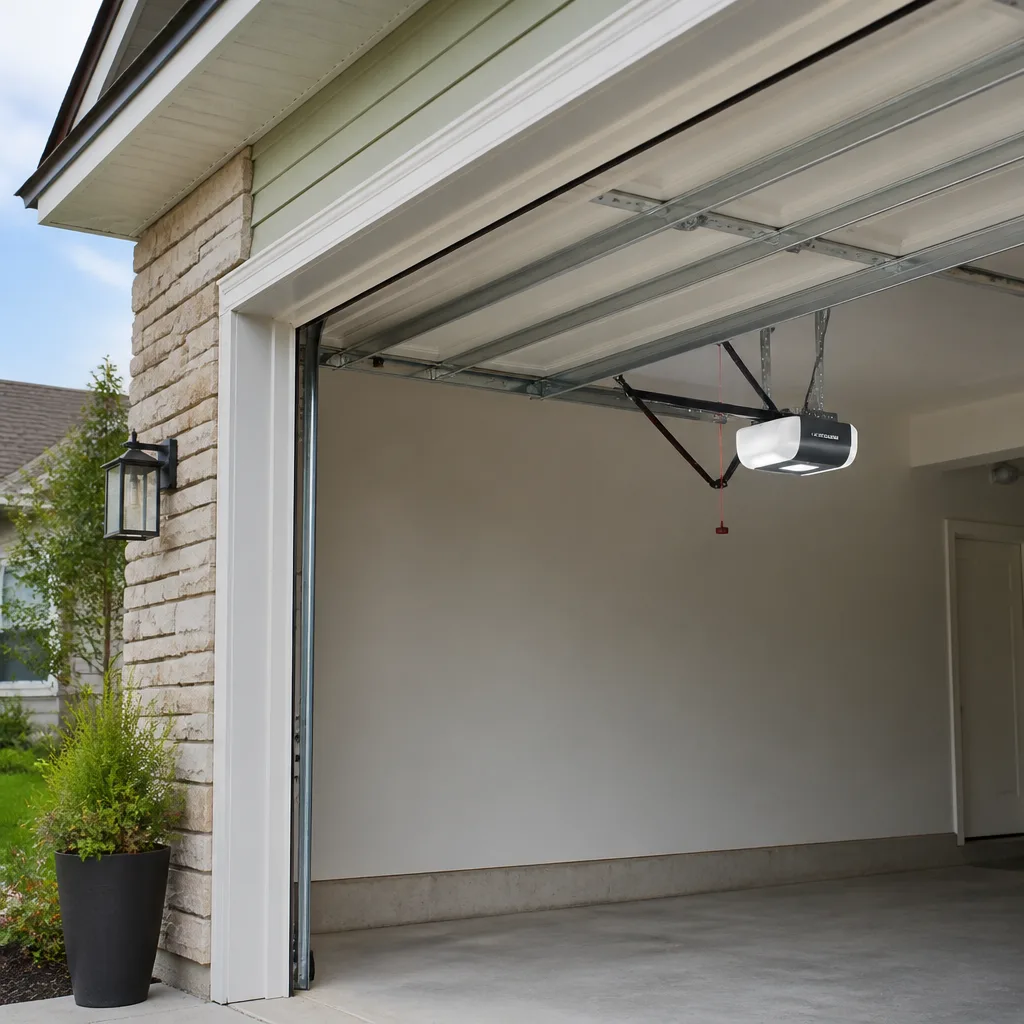 Chamberlain openers
Full 25-point door and opener safety check with every visit - springs, cables, rollers, tracks, and your LiftMaster or Chamberlain opener included
You get a price before we start. It does not change when the pro arrives.
Get your free estimateThe Complete Guide to Garage Doors in Charlottesville
Most garage door guides are written for a hypothetical suburban ranch house in a mild climate. If you live in Belmont, Fry’s Spring, or a 1940s brick colonial off Rugby Road, that advice can steer you toward the wrong door entirely. Charlottesville sits in the Virginia Piedmont, where humidity climbs through summer, temperature swings hard between seasons, and clay-heavy soil shifts under older homes. All three of those facts change what door you should buy, how often your tracks need attention, and which materials actually hold up. This guide covers the local context most buying guides skip, from HOA rules to carriage house sizing, so you can make a decision that fits your block, not a generic suburb.
Quick Answer
For most Charlottesville homes, an insulated steel door in a Clopay or Amarr line is the practical choice: it handles Piedmont humidity swings better than wood without the maintenance, and it’s available in styles that pass historic and HOA review. Match the door to your home’s architecture first, then pick the material and insulation level, then confirm your existing opener brand is supported before installation. Get a written measure and price before ordering, since every door is built to size.
Styles & brands we work with
- Raised-panel steel
- Carriage house
- Modern flush
- Full-view glass
- LiftMaster openers
- Chamberlain openers
Table of Contents
- Why Charlottesville Is Different for Garage Doors
- How Piedmont Humidity and Temperature Swings Affect Door Materials
- HOA and Historic District Rules in Belmont and Around the Corner
- Clay Soil, Foundation Shifts, and Track Misalignment
- Brand Availability and Parts Support Around Charlottesville
- Sizing a Door for a Detached Carriage House vs. an Attached Two-Car Garage
- What Garage Doors Cost in Charlottesville
- A Seasonal Maintenance Routine for Central Virginia
- Common Mistakes to Avoid
- When to Call a Professional
Why Charlottesville Is Different for Garage Doors
Charlottesville is not one housing market. It’s a patchwork of 1920s and 1940s brick homes near the University, mid-century ranches in Fry’s Spring, tight-lot infill in Belmont, and newer subdivisions out toward Crozet. Each one puts different demands on a garage door, and each one has its own approval process if you change how the door looks. A door that makes sense in a Crozet development with wide driveways and matching facades may be the wrong call on a narrow Belmont street where the garage is tucked behind the house.
The climate adds another layer. Central Virginia sits in a transition zone where summers are humid enough to punish wood and winters are cold enough to stiffen lubricants and stress springs. That combination is harder on a door than either extreme alone. We’ve seen doors that would last years in a drier climate need track adjustment much sooner here because of how the wood and steel move with the seasons. If you want the trade-level overview of the repair side, our garage door repair page covers what typically goes wrong and how it’s fixed.
Where you live also determines who you can call. A door specialist who handles all the major brands is a safer bet than a generalist, because each manufacturer has its own parts, opener logic, and installation tolerances. Our technicians have up to 15 years of experience with the systems most common in Charlottesville homes.
How Piedmont Humidity and Temperature Swings Affect Door Materials
Material choice is the single biggest decision for a Charlottesville garage door, and humidity is why. Most homeowners assume wood is the premium choice and steel is the budget one. In this climate, it’s closer to the opposite for a working door that faces sun and rain. Here’s how each material behaves.
Steel
Steel is the workhorse for Charlottesville. It doesn’t absorb moisture, so it holds its shape through humid summers and won’t warp the way wood can. The main risk is rust where water sits, so look for a door with a factory finish and keep the bottom edge and hinges clean. Insulated steel panels also slow heat transfer, which matters on a west-facing garage that bakes all afternoon.
Wood
Wood looks right on historic homes and some of the older brick colonials near the University, and nothing else matches it visually. But wood absorbs the Piedmont’s summer humidity and shrinks in dry winter air, so it moves constantly. That movement stresses joints and paint, and it needs repainting or resealing on a steady schedule. If you choose wood, go in knowing the maintenance is a real commitment, not an occasional touch-up.
Composite and Faux Wood
Composite doors give you the wood look with far less movement and rot risk. They cost more than entry-level steel, but for a homeowner who wants a carriage-house look on a door that faces the weather, they often strike the best balance in this region. They resist the humidity swings better than wood and don’t need the same repainting cycle.
- Steel: Best all-around for humidity, low maintenance, good insulation options.
- Wood: Beautiful on historic homes, but the highest maintenance in a humid climate.
- Composite: Wood appearance with better moisture resistance, mid-to-premium price.
- Aluminum (full-view): Common on modern homes, lighter, but less insulating for a finished garage.
Whatever you pick, plan on applying a fresh coat of lubricant to hinges and rollers as the seasons turn. It’s the cheapest habit that extends the life of any durable material in Charlottesville.
HOA and Historic District Rules in Belmont and Around the Corner
Before you fall in love with a door style, check what your neighborhood allows. Charlottesville has both formal historic districts and neighborhood associations, and the rules vary block to block. A design that clears one review process may get bounced by another. This is where a lot of homeowners get surprised, so it’s worth handling first, not last.
In Belmont and around the Corner area, where older homes sit close together, the biggest issues tend to be visual. Panel style, window layout, color, and how the door reads from the street all come under scrutiny. If your home sits in a historic district, expect the design review to care about matching the era of the house rather than whether the door is modern and efficient. Newer subdivisions, especially the ones out toward Crozet, usually run through an HOA that wants every door on a matching street to look alike. A homeowner who installs a distinctive carriage-style door in an HOA subdivision can end up asked to change it.
A simple order of operations keeps you out of trouble:
- Find out whether your home is in a historic district, an HOA, both, or neither.
- Request the design guidelines or architectural standards for your neighborhood.
- Get the door style, color, and window options pre-approved in writing.
- Only then order the door and schedule the install.
We’ve seen enough of these reviews to know the accepted styles in most Charlottesville neighborhoods, so ask us when you request an estimate. Getting approval first saves you from ordering a door you can’t install.
Clay Soil, Foundation Shifts, and Track Misalignment
Here’s the local issue most guides never mention: the Piedmont’s clay-heavy soil moves. It swells when wet and shrinks when dry, and that cycle pushes and pulls on foundations, especially under older homes. A garage floor and slab that were plumb when the house was built can shift over time. When the slab or framing moves, the door’s tracks go out of alignment, and a door that was smooth last year starts binding, scraping, or stuttering halfway down.
You’ll notice it as a door that rubs on one side, a gap at the bottom, or a motor that strains to close. Some homeowners blame the opener when the real problem is the track and the ground under it. In our experience, track adjustment is one of the more common service calls in this area precisely because the soil makes the building work underneath the door. Our garage door repair service page explains how we diagnose whether the issue is the track, the door hardware, or the opener.
The practical takeaway is simple. If your door starts rubbing or sticking, don’t just turn up the opener’s force setting to push through it. That masks the real cause and wears out the motor faster. Get the tracks checked against the door’s actual alignment. Keeping the tracks clean and the hinges lubricated helps, but when the ground underneath is shifting, the fix is a proper adjustment, not more force.
Brand Availability and Parts Support Around Charlottesville
Brand availability matters more than most homeowners realize, and it cuts two ways. The door and the opener are separate systems with separate brands, and each has its own parts. If your opener breaks and its brand has weak local parts support, you can be waiting on a special order while your car sits outside. That’s why we work on the brands most common in Charlottesville homes: LiftMaster, Chamberlain, Genie, Clopay, Amarr, Wayne Dalton, Craftsman, and Raynor. We’re trained and equipped to service all eight, which covers virtually any system you’re likely to find on a Charlottesville house.
If your opener needs attention, the brand on the unit tells us how to approach it. A Chamberlain or Genie unit is straightforward to diagnose, and a LiftMaster system that came with the house is likely older but still well-supported. On the door side, Clopay and Amarr are two of the most common lines in the area, which means panels, springs, and hinges are easier to source. Our garage door opener repair page goes into how we handle the different opener brands and what a repair usually involves.
Before you buy a new door or opener, ask one question: does this brand have local parts support? A flashy system with no nearby parts is a headache waiting to happen. Sticking to a well-supported brand in Charlottesville means fewer delays if something fails.
Sizing a Door for a Detached Carriage House vs. an Attached Two-Car Garage
Detached carriage houses and attached two-car garages are two different design challenges, and the newer Crozet developments are full of them. A detached carriage house built to echo the main house needs a door that looks right from the street and often a smaller, decorative opener. An attached two-car garage faces the practical question of width, ceiling height, and how the door works with the house. Getting the measurements right before you order is what prevents a door that looks oversized or an opener that can’t lift it.
Start with the actual opening, not what you remember:
- Measure the width and height of the opening exactly, in the center and at both sides.
- Measure the headroom above the door to the ceiling, since that determines the opener type.
- Check the side clearance on both sides for the track and springs.
- Note the depth of the garage so you know how far the door travels back.
- Confirm the style and color your neighborhood allows.
For a carriage house, decide early whether you want a decorative carriage-style panel or a standard panel that suits the house. For an attached two-car garage, the tradeoff is between a single wide door and two separate doors; a single door is often cheaper, but two doors break the look up and can be the better match on a home with a divided facade. Either way, measure with the door brand’s installation tolerances in mind, because a door that’s off by even a little won’t roll clean.
What Garage Doors Cost in Charlottesville
New door pricing in Charlottesville depends on size, material, insulation, and whether your opener needs replacing at the same time. The ranges below are typical estimates for the local market. They are not a quote; your written estimate, based on an on-site measure, sets the final price and is agreed before any work starts. We won’t surprise you with an invoice above the number we gave you.
| What you’re pricing | Typical local range |
|---|---|
| Basic single-car steel door, installed | $900 – $1,800 |
| Insulated two-car steel door, installed | $1,500 – $3,500 |
| Wood or composite door, installed | $3,000 – $6,000+ |
| New opener, installed | $300 – $700 |
| Track adjustment or repair | $120 – $350 |
| Emergency service call | Call for an estimate |
Those numbers shift based on how many panels, windows, and insulation layers you choose, and historic or HOA-approved styles can add cost because of the custom options. For repair rather than replacement, a spring or opener fix is usually far cheaper than a new door. The one job where homeowners should never shop on price alone is a spring repair, covered in garage door spring repair.
A Seasonal Maintenance Routine for Central Virginia
A little preventive care goes further in Charlottesville than in a settled climate, because the swing between humid summers and dry winters is what wears parts out. You don’t need special tools. You need a routine that follows the seasons.
- Spring and fall: Lubricate hinges, rollers, and tracks with a garage-door lubricant, not household oil. Check that the door moves smoothly and balances at the halfway point.
- Summer: After the humid stretch, look for wood swelling, paint lifting, or rust on steel bottom edges. Test the auto-reverse safety feature by placing a board in the door’s path.
- Winter: Cold stiffens lubricant and stresses springs. Listen for groaning and watch for a door that starts slowly. If it sticks, don’t force the opener.
- Any time: Clear debris from the tracks, tighten visible hardware, and keep snow and ice from building up at the bottom seal.
What you should not do is adjust the springs yourself. They’re under high tension and can injure or kill someone who doesn’t have the right tools and training. If a spring looks stretched or the door won’t stay up, that’s a call to a specialist, not a weekend project. Everything else on the list is safe for a homeowner to handle.
Common Mistakes to Avoid
- Choosing a door by style before checking neighborhood rules. A distinctive door looks great until an HOA or historic review asks you to change it. Get written approval first.
- Buying a wood door without planning for the humidity. Wood moves with Charlottesville’s seasonal swings and needs regular repainting. If you won’t keep up with it, choose steel or composite.
- Turning up the opener’s force to fix a sticking door. That masks a track misalignment, often caused by shifting clay soil, and burns out the motor. Fix the cause instead.
- Replacing a door without confirming your opener brand is supported. The opener and door have to work together. Check the brand’s parts support before you buy.
- Ignoring the bottom seal and tracks. Cheap seals and dirty tracks let in water and debris, which leads to rust and binding. Small upkeep prevents big repairs.
- Trying to adjust or replace springs yourself. These are the highest-tension parts on the door. A specialist handles them safely; you shouldn’t.
- Ordering a door from an online measure. Doors are built to exact size. An in-person measure catches headroom and clearance issues a tape measure at the keyboard never will.
When to Call a Professional
Some jobs are safe for a homeowner. Others aren’t, and it’s worth being honest about which is which. Call a professional when the door won’t move at all, when it comes off its tracks, when a spring is broken or looks stretched, or when the opener clicks and does nothing. Track misalignment and binding that start after a season change are another sign to call, especially in older Charlottesville homes where soil movement is common. And any time you need a new door or opener installed and measured, a trained installer prevents the problems that come from a door that doesn’t fit right. Charlottesville Garage Door Repair offers free estimates in Charlottesville – call (877) 770-2070. Whether it’s a routine opener repair or a door that won’t close, we will get out to you, including emergency service when it can’t wait.
Frequently Asked Questions
Insulated steel is usually the best fit for Charlottesville because it handles the humidity swings and temperature changes better than wood without the maintenance. It won’t absorb moisture or warp, and a factory finish resists rust. If you want a wood look, composite is a strong middle ground. Wood can work on a historic home, but it needs regular repainting and resealing to survive this climate.
You likely do if your home is in a historic district or a neighborhood with an HOA. Belmont and the Corner area have older homes where design review cares about matching the era of the house, and newer subdivisions out toward Crozet often have HOA standards that keep doors on a street consistent. Get the design approved in writing before you order a door.
In Charlottesville, the most common cause is shifting soil. The Piedmont’s clay-heavy soil swells and shrinks with moisture, which can move a foundation or slab over time and knock the door’s tracks out of alignment. A door that starts binding or rubbing after a season change usually needs a track adjustment. Call us before you turn up the opener’s force setting, since that can wear out the motor.
Yes. Springs are under high tension and can cause serious injury or worse if they release unexpectedly while being handled without the right tools and training. That’s why spring replacement is a specialist job. If a spring is broken or looks stretched, keep everyone clear of the door and call a professional.
We’re trained and equipped to service LiftMaster, Chamberlain, Genie, Clopay, Amarr, Wayne Dalton, Craftsman, and Raynor. That covers most systems on Charlottesville homes. If your opener or door has one of those names on it, we can diagnose and repair it rather than referring you out.
Most single-car steel doors installed run roughly $900 to $1,800, and an insulated two-car steel door typically runs $1,500 to $3,500. Wood and composite doors cost more because of material and style options. These are estimates; your on-site measure and written quote set the exact price before any work begins.
The Bottom Line
Choosing a garage door in Charlottesville means reading your own block first. Piedmont humidity favors steel and composite over wood, clay-heavy soil makes track alignment a regular concern in older homes, and Belmont’s historic streets and Crozet’s HOA subdivisions each have their own design rules. Confirm your neighborhood’s approval, choose a material that survives the seasonal swing, measure carefully for whichever garage you have, and make sure your brand of opener and door has local parts support. Do those four things and you’ll avoid most of the problems that turn a garage door into a headache. When you need a specialist, we’re ready.
We work on your brand, we handle spring repair safely, and one call covers it all. If you have questions about your door, our Charlottesville Garage Door Repair hub ties together the full range of services, and our garage door repair team is ready when something goes wrong. Call (877) 770-2070 for a free estimate and let us help you pick the right door for your home.
Written by the team at Charlottesville Garage Door Repair.
See the difference
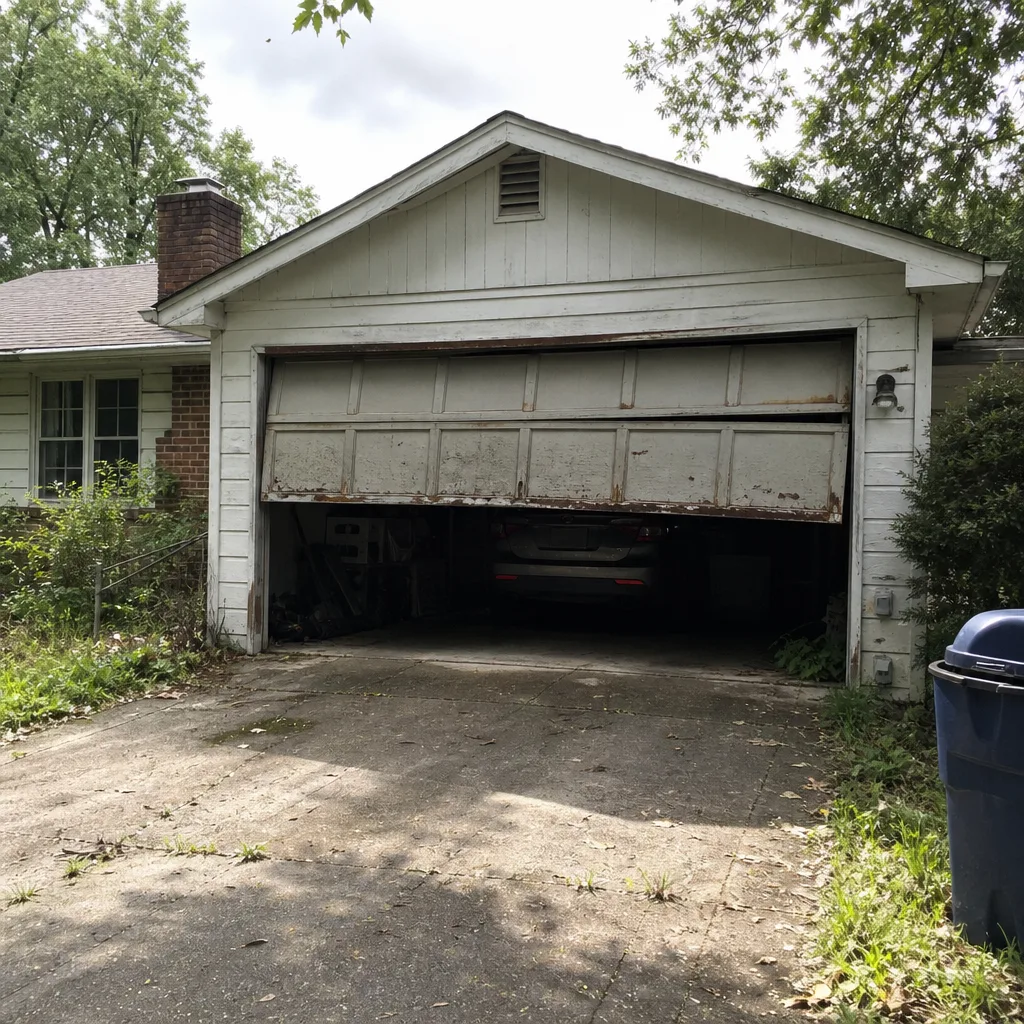 Before
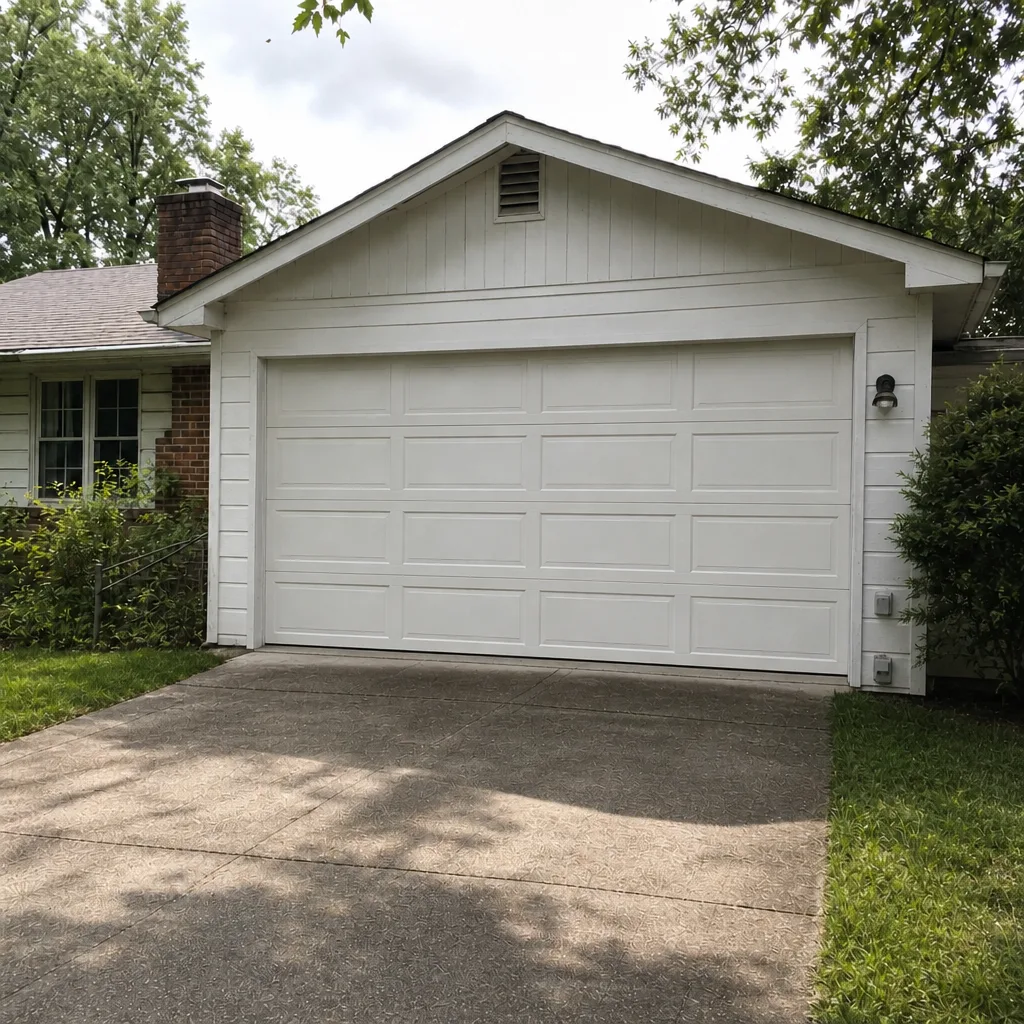 After
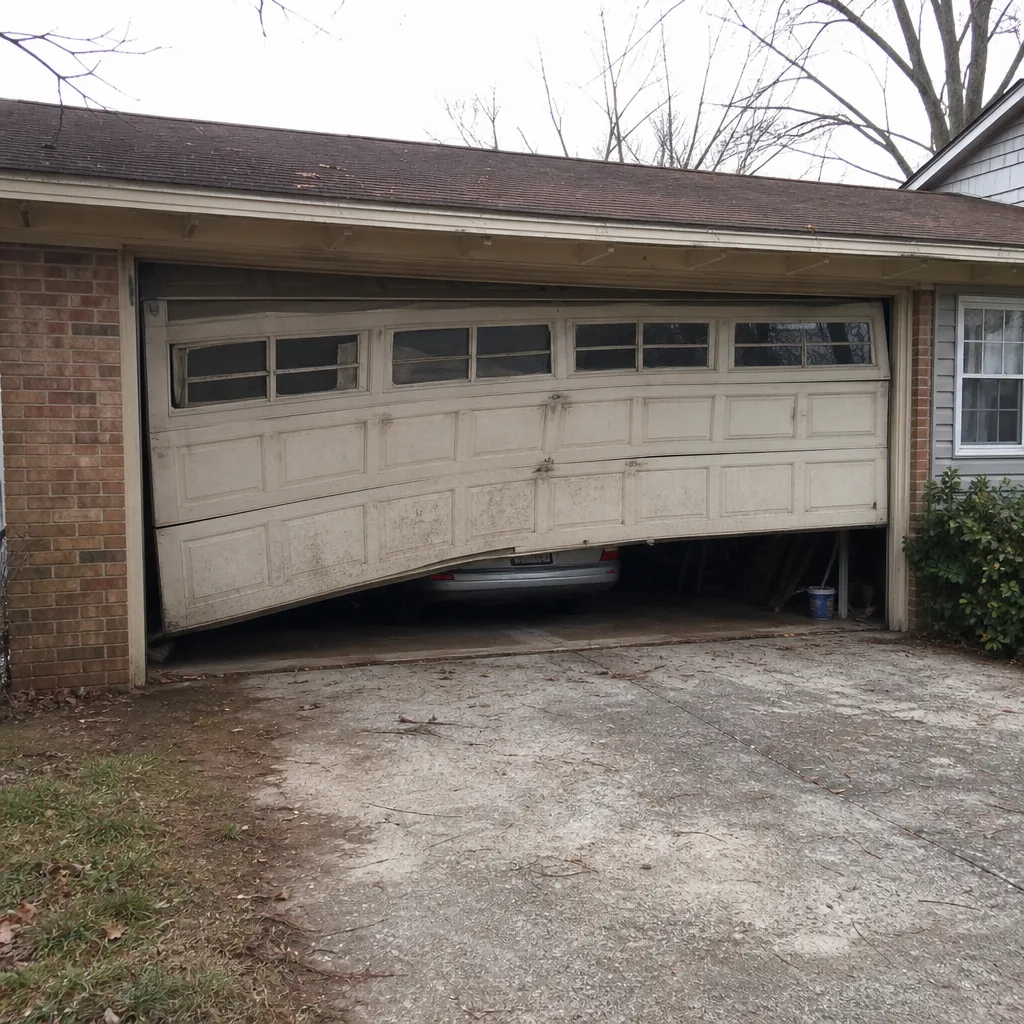 Before
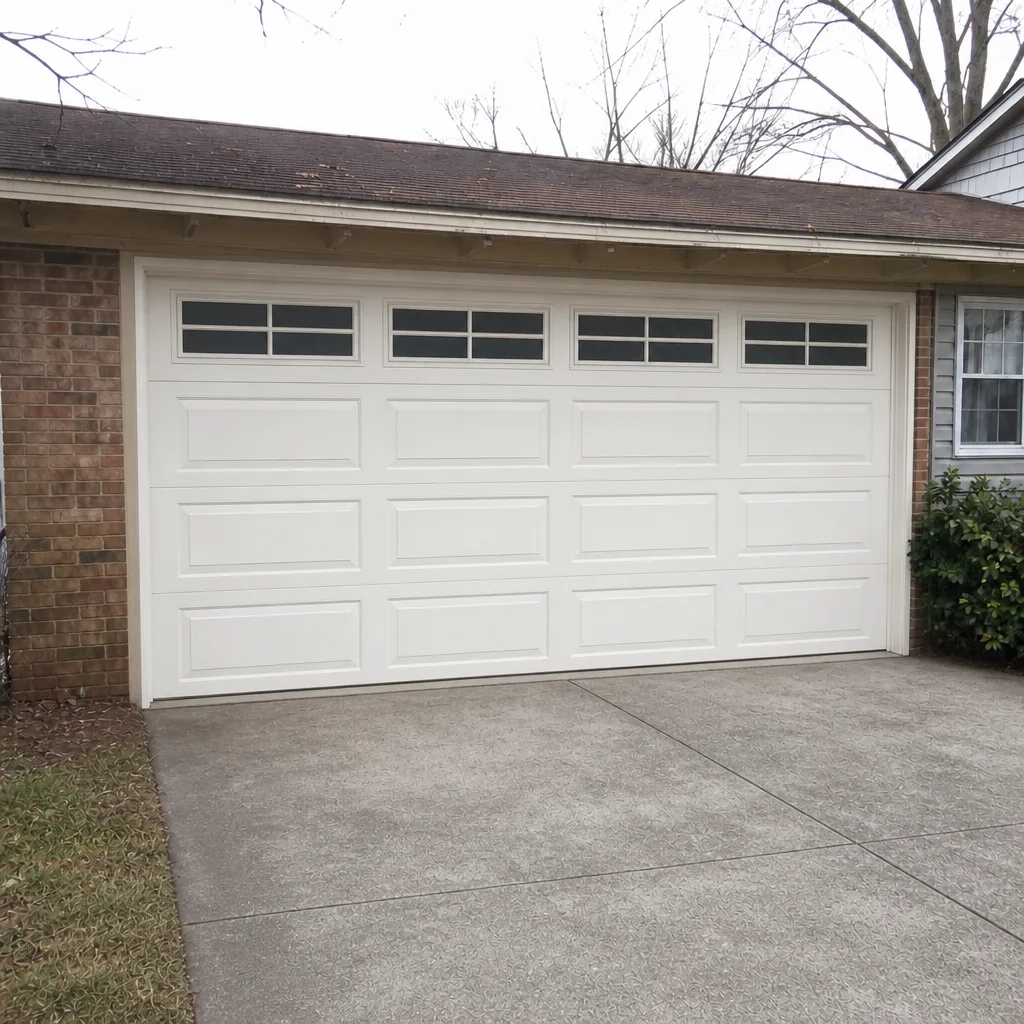 After
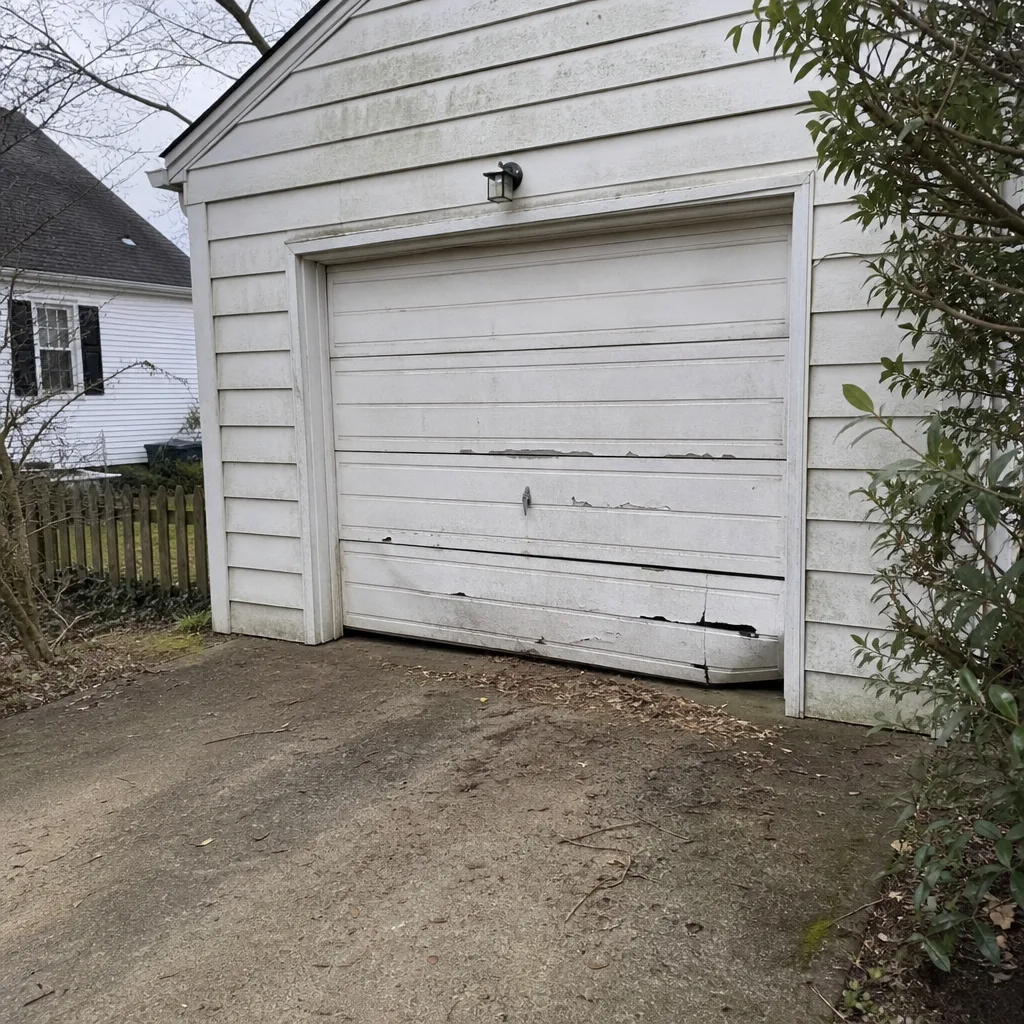 Before
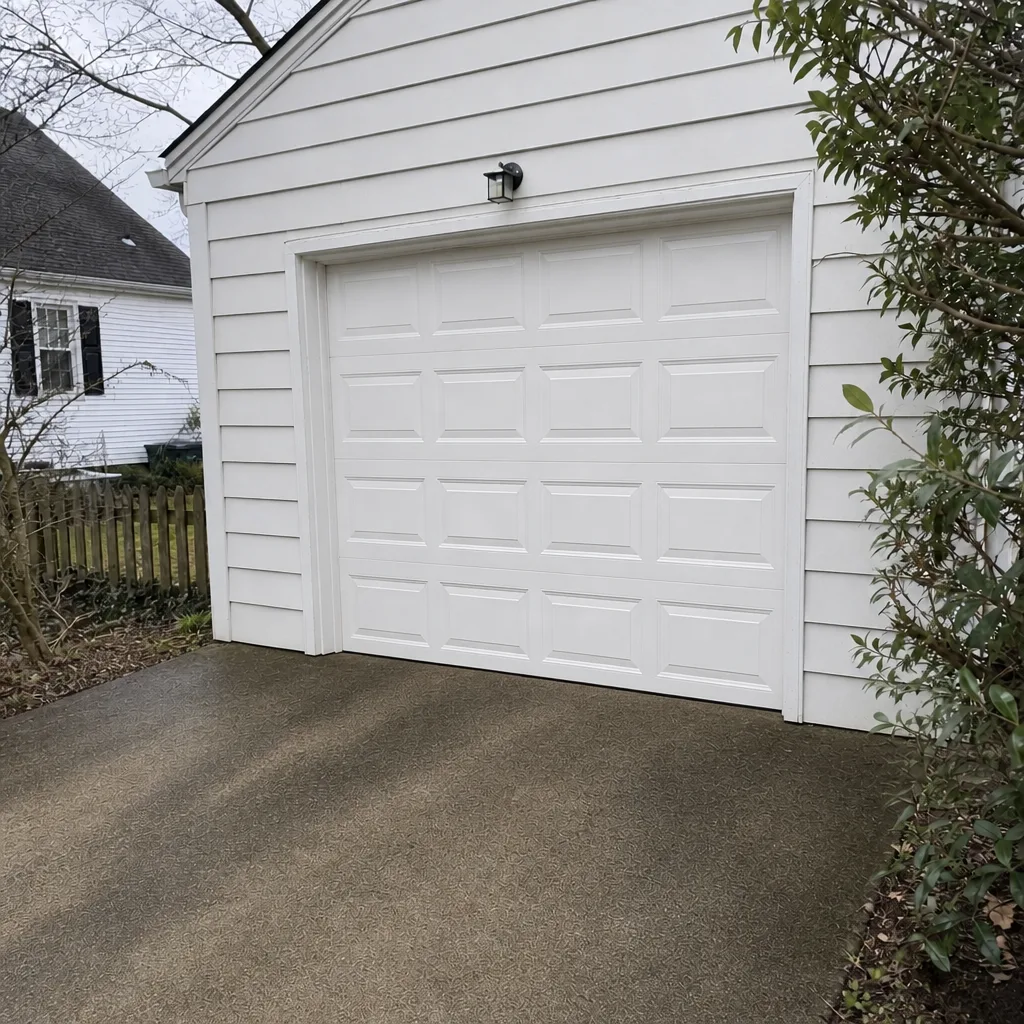 After