Last updated November 23, 2026
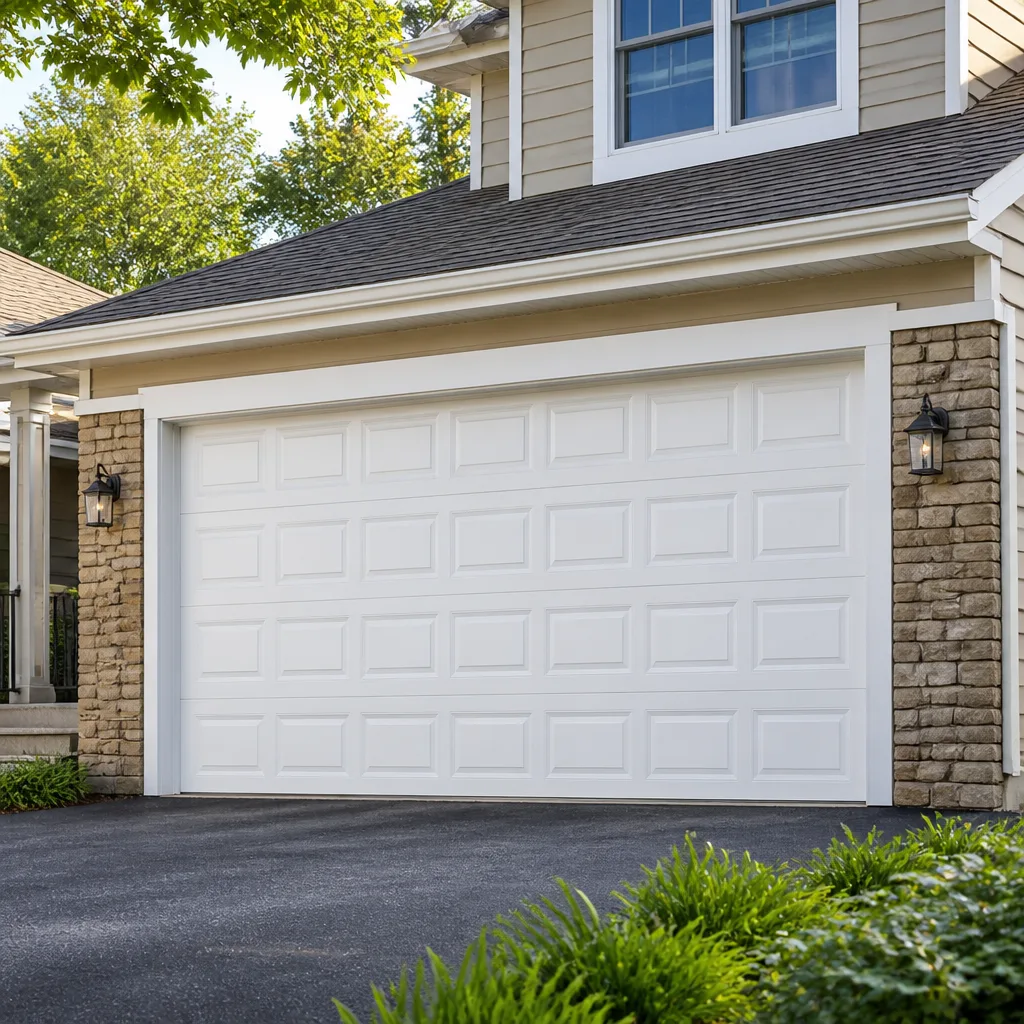 Raised-panel steel
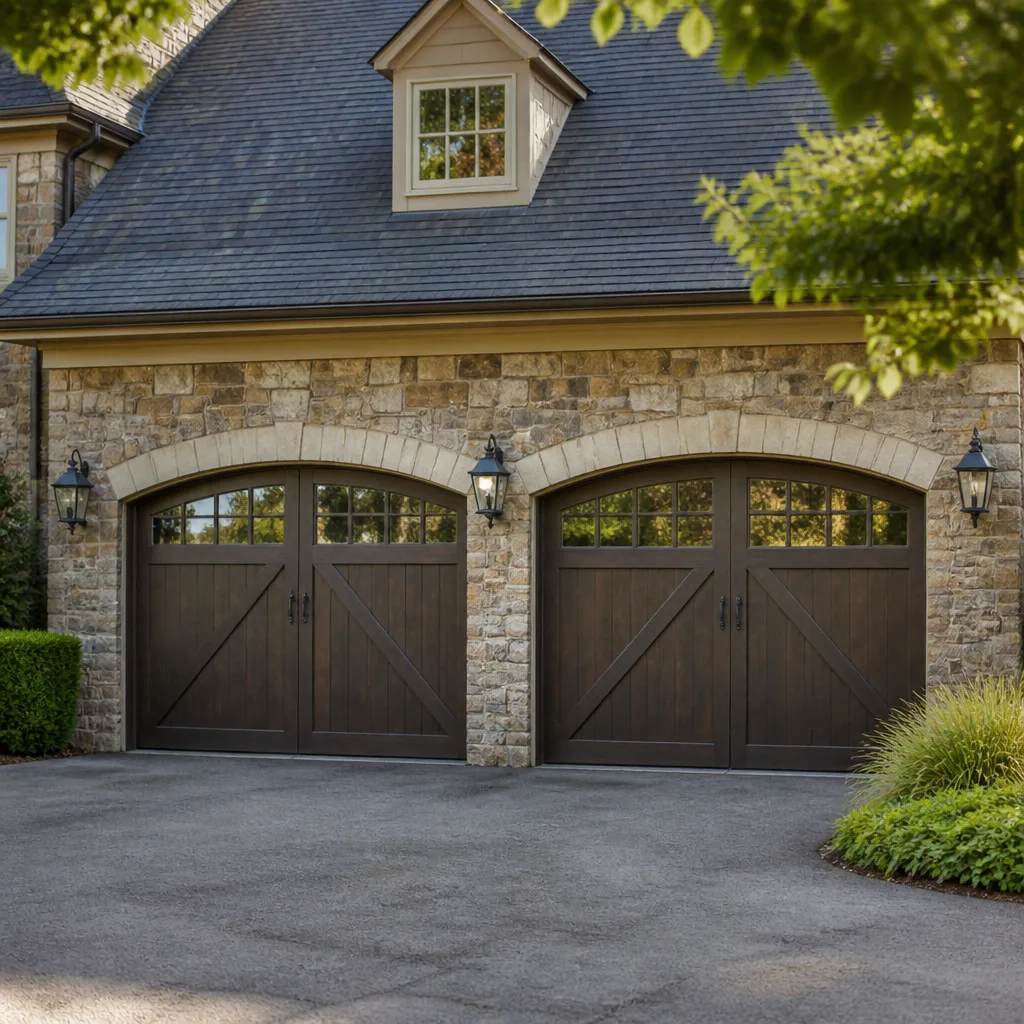 Carriage house
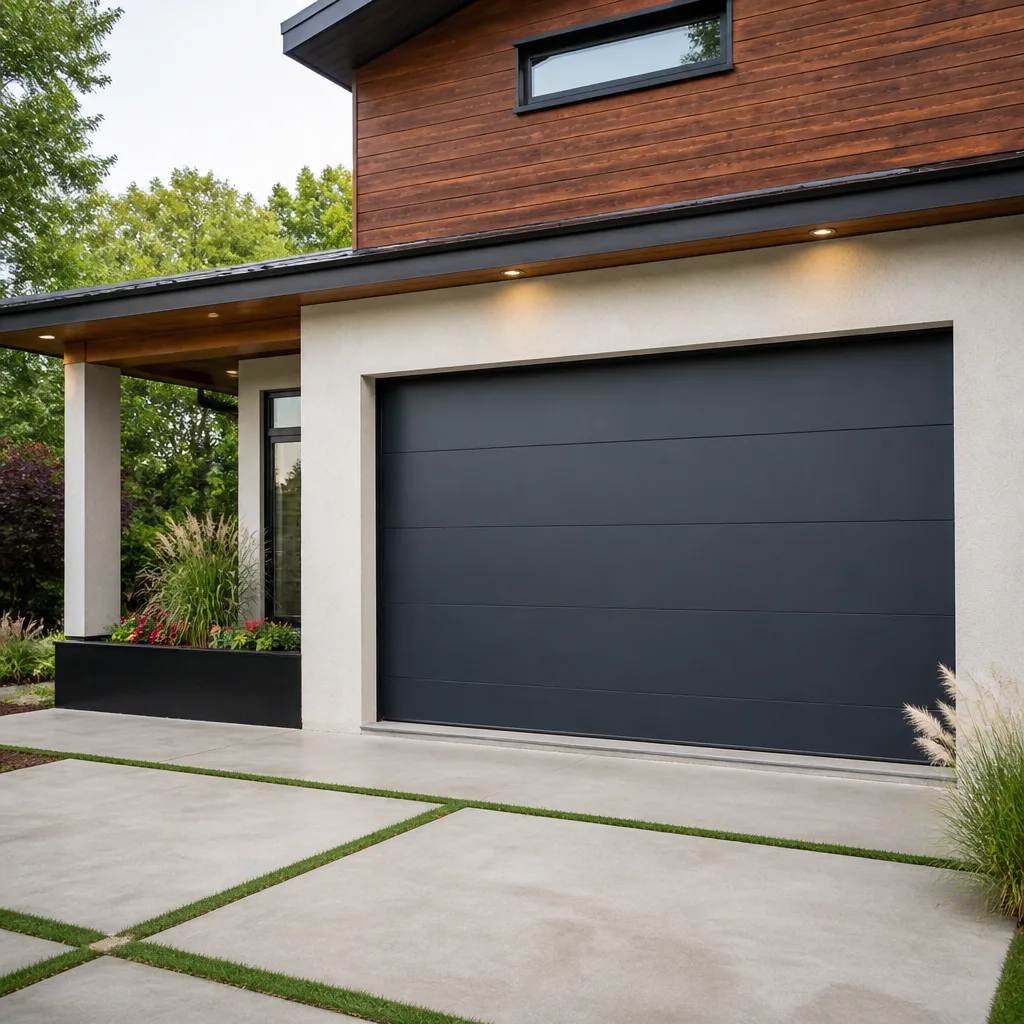 Modern flush
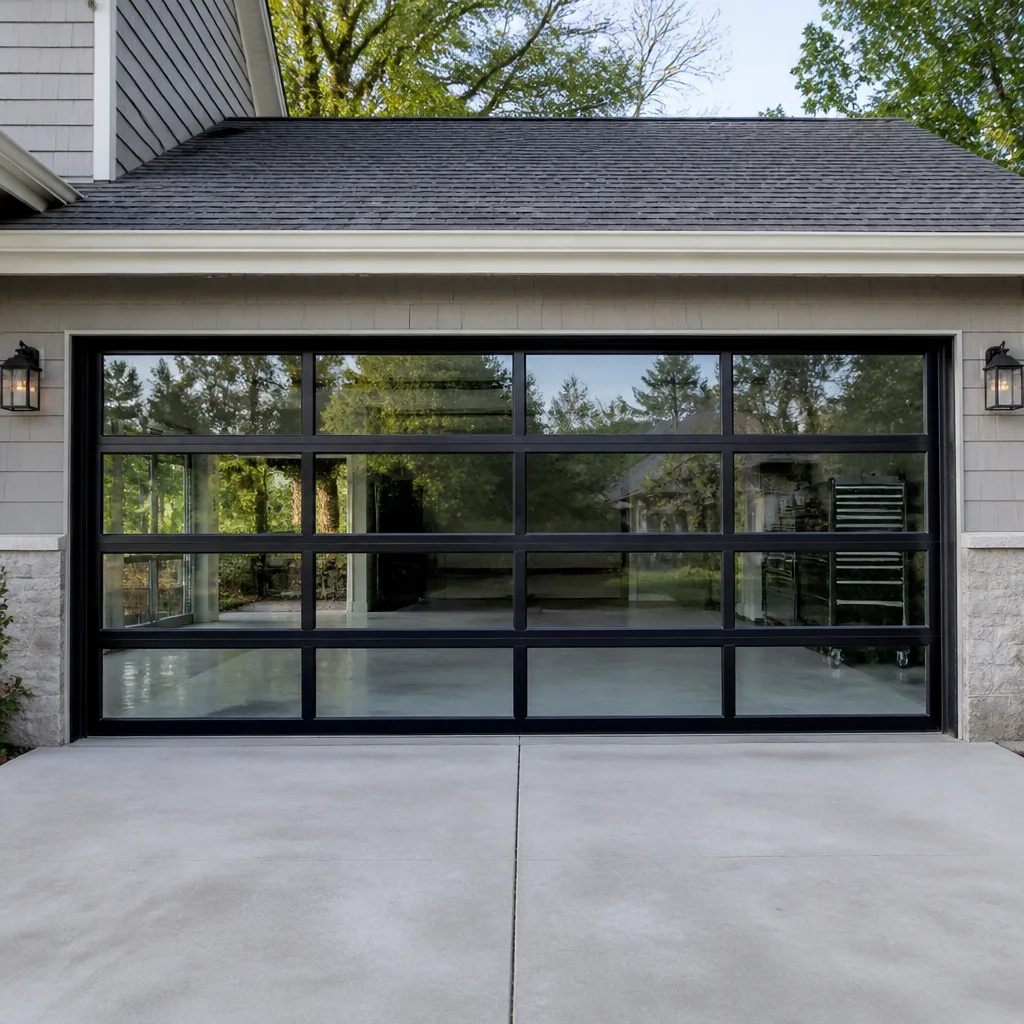 Full-view glass
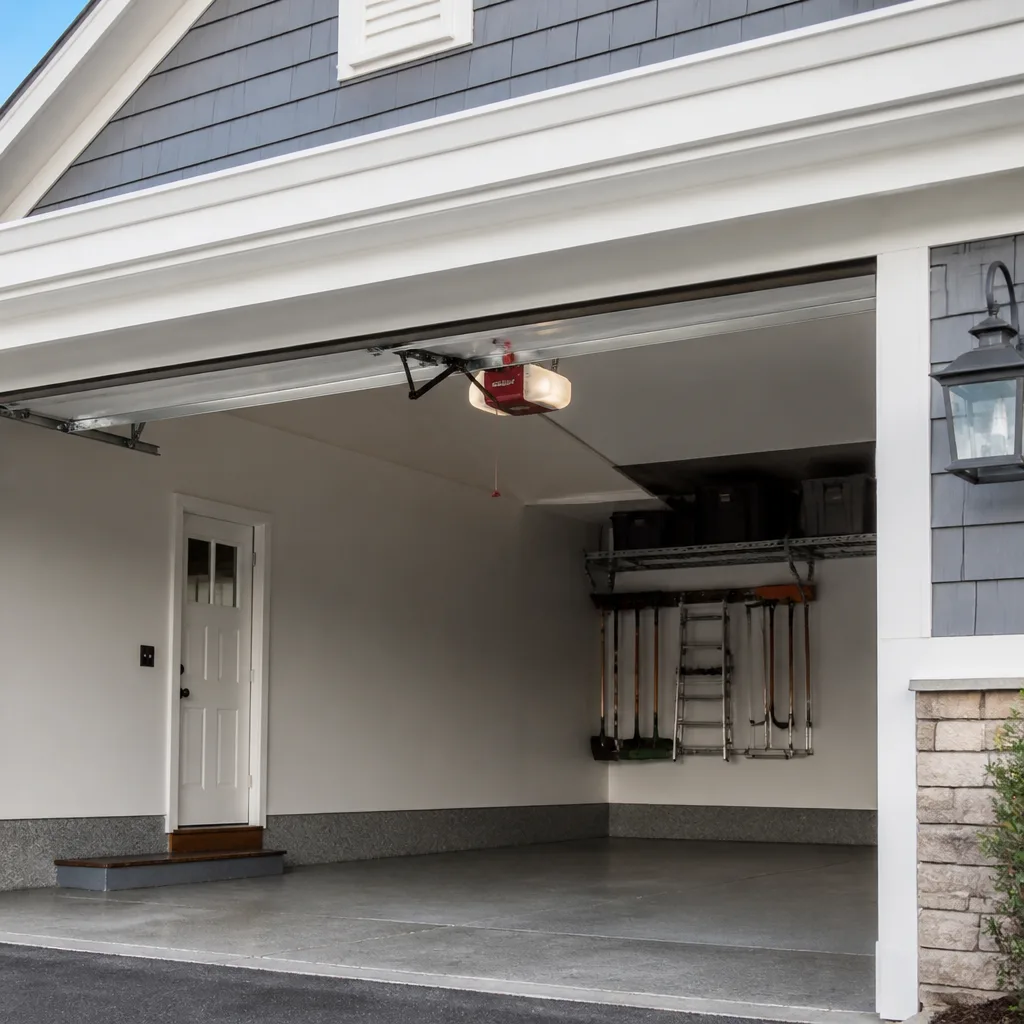 LiftMaster openers
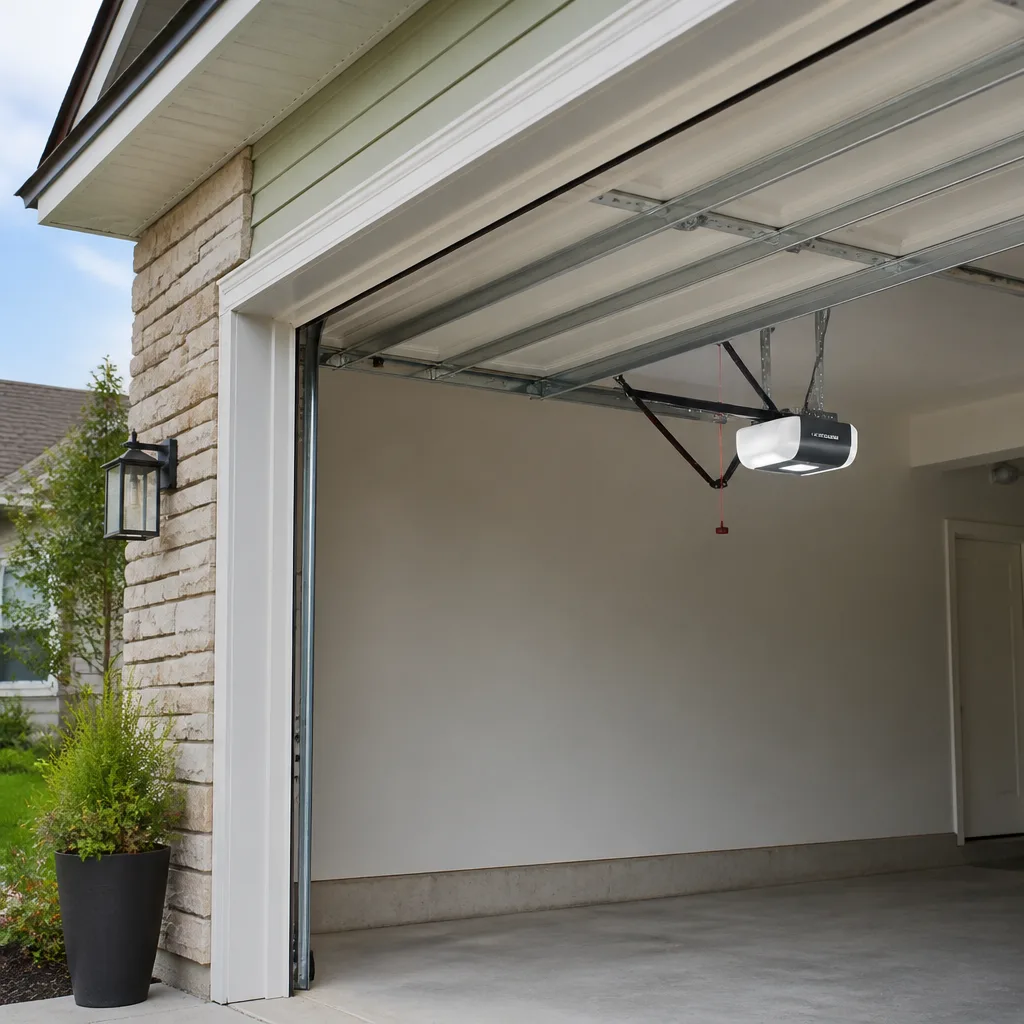 Chamberlain openers
Full 25-point door and opener safety check with every visit - springs, cables, rollers, tracks, and your LiftMaster or Chamberlain opener included
You get a price before we start. It does not change when the pro arrives.
Get your free estimateGarage Door Repair Maintenance Checklist for Charlottesville Homeowners
Most garage door checklists tell you to inspect your door twice a year and call it done. That’s generic advice built for a climate that doesn’t exist here. In Charlottesville, your door faces a very specific sequence of stress through the year: repeated freeze-thaw cycles in late winter that fatigue springs, a heavy pollen and humidity season that gums up moving parts, and summer heat that can throw off opener force sensitivity. February is the single most common month for spring failures in Central Virginia, and it’s not because springs wear out in winter. It’s because the accumulated stress of a dozen freeze-thaw swings finally hits a tipping point. A checklist that doesn’t front-load February inspection is missing the point entirely. This guide walks you through what to check, when to check it, and what to leave alone for your own safety, all timed to how failures actually happen in Charlottesville.
Styles & brands we work with
- Raised-panel steel
- Carriage house
- Modern flush
- Full-view glass
- LiftMaster openers
- Chamberlain openers
Quick Answer
A garage door maintenance checklist for Charlottesville should center on three timed inspections: a late-January/early-February spring and cable check before freeze-thaw fatigue peaks, a spring lubrication and track-alignment check when humidity and pollen season arrive, and a summer opener force-sensitivity and weather-seal review. Lubricate hinges, rollers and the torsion spring roughly every four to six months here rather than the generic “twice a year,” because Charlottesville’s humidity swings wear grease down faster. Inspect torsion springs for even coil gaps and rust after every winter, and replace weather seals when daylight shows through or the rubber cracks.
Table of Contents
- Why Standard Checklists Fail in Charlottesville
- How to Inspect Torsion Springs After a Central Virginia Winter
- The Charlottesville Lubrication Schedule
- Weather Seal Degradation and When to Replace It
- The Opener Force-Sensitivity Test and Why Temperature Extremes Matter
- Track Alignment and Charlottesville’s Clay Soil Movement
- A Month-By-Month Maintenance Calendar for Charlottesville
- What You Should Never Check Yourself
- Common Mistakes to Avoid
- When to Call a Professional
- Frequently Asked Questions
- The Bottom Line
Why Standard Checklists Fail in Charlottesville
National garage door maintenance advice is usually written somewhere with mild winters and low humidity. It assumes your door lives in a stable environment and that annual wear is roughly linear. Charlottesville weather is anything but stable. A single winter here can move between freezing nights and warm afternoons dozens of times, and that freeze-thaw rhythm is hard on garage door components in ways a coastal or desert checklist never addresses.
Here’s what’s happening mechanically. Steel springs and cables expand and contract with temperature. Each cycle of contraction and relaxation adds a tiny bit of metal fatigue. Individually, none of those cycles means much. Stack them across a winter and the spring that held up fine in December can fail on a cold morning in February when the accumulated fatigue finally exceeds what the coil can take. That’s the Central Virginia pattern, and it’s why this checklist puts spring inspection first.
Humidity matters just as much. Charlottesville’s spring and summer air carries a lot of moisture, and that moisture interacts with the grease on your hinges, rollers and springs. Lubricant that would last six months in drier air can thin out and collect grit here in three or four. Pollen makes it worse by clinging to tacky surfaces and turning into a grinding paste inside the rollers.
Clay soil is the third local factor. Much of Charlottesville sits on expansive clay that swells when wet and shrinks when dry. That movement is subtle at the surface, but it’s enough to shift a garage slab and throw the tracks slightly out of alignment. A door that ran quietly in the fall can start rubbing a jamb in the spring without anyone touching the door itself.
None of these problems show up on a “check twice a year” schedule. They show up on a seasonal rhythm, and the checklist in this guide is built to match it.
How to Inspect Torsion Springs After a Central Virginia Winter
Torsion springs are the horizontal coils mounted above the door, and they do the heavy lifting on most Charlottesville homes. They’re also the most dangerous component on the entire door. You can inspect them safely from the ground without touching them, and you should, ideally in late January or early February before the freeze-thaw season peaks.
What to look for, visually and safely:
- Coil gaps. Stand back and look along the length of the spring. On a healthy torsion spring, the coils sit close together with even spacing. If you see a widened gap between coils, or uneven gaps that weren’t there before, the spring has stretched and is on its way to failing.
- Rust and corrosion. Virginia winters bring road salt and wet slush that get tracked into garages. Even a light dusting of rust on the spring surface is worth noting, and heavier rust means the coil is thinning and fatiguing faster.
- Straightness. A spring that looks bowed or holds a visible bow when the door is down is a flag. So is a door that lifts unevenly or feels heavier when you disconnect the opener and lift it by hand.
- Stretch marks on the coils. Slight discoloration where the coils meet is normal wear. Deep rust-colored bands or cracks are not.
Here’s the part that matters more than any single check: never attempt to adjust, oil, tighten or replace a torsion spring yourself. These coil store enormous tension, and a spring that releases suddenly can cause serious injury in a fraction of a second. That’s why garage door spring repair is a job for a trained technician with the right winding bars and a proper understanding of the load. If you see any of the warning signs above, stop lifting the door by hand and call for an inspection.
In our experience, a large share of spring failures in Central Virginia trace back to that late-winter stretch. Getting ahead of it in January is the single highest-value maintenance habit for a Charlottesville homeowner.
The Charlottesville Lubrication Schedule
Generic advice says lubricate your door twice a year. In Charlottesville, that number is too low. The local humidity and pollen load accelerate wear on moving parts, so plan on lubrication roughly every four to six months, with an extra touch-up if the door starts sounding gritty.
Use a proper garage door lubricant, not WD-40 or cooking oil. Only oil the parts that benefit from oil:
- Hinges. Put a small drop into the pivot point of every hinge. Don’t soak them; a little goes a long way.
- Rollers. Add a drop to the roller stems, not the rolling surface itself. Any lubricant on the wheel can actually make it slide instead of roll.
- Torsion spring. Wipe the spring with a shop towel, then apply a light film of garage door lubricant along the coil to slow rust. This is safe because you’re not twisting or adjusting anything, just wiping and coating.
- Lock and latch (if you have a manual lock). A drop in the keyway keeps it from seizing.
Skip the tracks. They should stay clean and dry, since lubricant on the track collects dirt and causes the door to skip or hesitate. Wipe them down with a dry cloth instead.
Timing this to Charlottesville seasons works out to roughly four passes: after the winter grime clears off in early spring, before the pollen settles in midsummer, after the summer humidity peak in early fall, and once more before winter sets in. That gives the door fresh grease before each season’s main stress point. If your door is a Wayne Dalton or Amarr model with proprietary roller hardware, the manufacturer’s lubricant is worth chasing down. If it’s a Craftsman or Raynor and you’re not sure what the previous owner used, a standard garage door lube is fine.
If the door is still rough after a proper lubrication pass, the issue isn’t the grease. It’s likely a worn roller or a track issue, which is where a garage door repair call makes more sense than another round of oil.
Weather Seal Degradation and When to Replace It
Weather seals are the rubber strips along the bottom of the door, between panels, and around the perimeter. In Charlottesville, they take a real beating from summer UV exposure and winter freeze cycles, and they tend to age in a predictable pattern that makes replacement timing easier than you’d guess.
Roughly, here’s how they go:
- Years 1-4: Seals flex and hold a good seal. Occasional cracking at the ankle but nothing serious.
- Years 4-7: UV exposure starts to dry out the rubber. You’ll notice it stiffening or firming up, and it may start to peel away from the door at the corners.
- Years 7-10 and beyond: The seal becomes brittle, cracks through, and stops flexing. This is when drafts, pests and water start getting in, and the door starts rattling at the bottom.
Timing matters because of Charlottesville’s climate. UV exposure is meaningful through summer, and the annual freeze-thaw pattern accelerates cracking on seals that are already dry. The easiest tests are visual and behavioral:
- Close the door and look for daylight under it. Any visible light means the seal isn’t sealing.
- Feel for drafts along the bottom and sides on a cold morning.
- Look for a rubber strip that’s cracked, flaking, or pulling away from the door.
- Listen for a rattle or a whistle in windy weather.
Replacement is urgent when you can see daylight or feel drafts, because moisture and small animals get in. It’s optional when the seal is only mildly stiff but still making contact. A local seal replacement is a modest job and one of the most cost-effective maintenance items on the whole door. If your door uses a Clopay or Amarr panel design with a molded bottom seal, order the correct profile rather than a generic strip, or you’ll fight to get it flush.
The Opener Force-Sensitivity Test and Why Temperature Extremes Matter
Your opener has two safety settings: force sensitivity and travel limits. Force sensitivity tells the opener how much resistance to expect before it reverses. Set it too high and the door won’t reverse on a person or object. Set it too low and the door reverses for no reason, or stops before closing. The tricky part in Charlottesville is that the proper setting changes with the season, and a door that tested fine in October can behave differently in February or July.
Here’s the safe test procedure:
- Disconnect the opener (pull the release cord) so you’re lifting the door by hand.
- Lift the door a foot or so and let it go. It should move smoothly and not slam down.
- Reconnect the opener and run it through one full open and close cycle, watching for any hesitation or pause.
- Place a roll of paper towels or a small box across the middle of the opening and run the door down. It should reverse on contact with the object.
- If it doesn’t reverse, or it reverses too easily, adjust the force setting per your manufacturer’s instructions. Genie, LiftMaster, Chamberlain and Craftsman openers all have slightly different adjustment dials, so check the manual for your specific model.
Temperature extremes are why this test matters more here. Cold stiffens grease and can change how much force the door needs. Heat can soften the grease and cause oversensitivity. If your door reverses on its own in July or struggles to close in January, it’s not necessarily failing. It may just need the force setting refreshed. But if the door ignores the object test entirely, stop using it and get the opener checked. That’s what garage door opener repair is for; a safety reverse failure is not something to put off.
Track Alignment and Charlottesville’s Clay Soil Movement
Garage door tracks are the vertical and horizontal rails the rollers ride in. They look fixed and permanent, but they’re only as stable as the slab they’re bolted to. A lot of Charlottesville sits on expansive clay soil, and when that clay takes on water in spring or dries out in late summer, it swells and shrinks. That movement is subtle at the surface, but over a few years it’s enough to shift a garage slab and throw tracks slightly out of alignment.
Signs your tracks are out of alignment:
- The door rubs or scrapes against a jamb on one side.
- The rollers bind or jump out of the track.
- The door looks crooked when it’s about halfway up.
- You hear a rhythmic scraping or squealing as the door moves.
- Gaps open between the track and the wall it’s bolted to.
What you can check safely: stand at the door and visually compare the vertical tracks on each side. They should be plumb and parallel. Look for gaps between the track and the wall, and check that the bolts holding the brackets are snug. If a track has been bumped by a car or pushed out of alignment by soil movement, don’t try to bend it back with a hammer. The metal can kink and the whole run has to be replaced, and bending a loaded track under spring tension is a real injury risk.
This is where a single Charlottesville winter followed by a wet spring can sneak up on a homeowner. The door runs fine in the fall, then in April it starts rubbing. A technician can check alignment against a laser or a level line and re-secure the tracks properly. It’s not a DIY repair for most homeowners, but it’s a quick professional fix.
A Month-By-Month Maintenance Calendar for Charlottesville
Here’s how all of the above fits into an actual calendar. This is the schedule to pin to the garage wall.
- Late January / early February: Inspect torsion springs for coil gaps, rust and straightness. This is the highest-risk window in Central Virginia. Check the bottom seal for daylight and drafts. Test the opener force and safety reverse.
- March: Clear winter grime with a dry cloth on the tracks. Check hinges and rollers for grit. Lubricate all moving parts. Look for any track damage from the freeze-thaw season.
- April / May: Check door balance by lifting it by hand. If it doesn’t stay put at mid-height, the springs or cables need attention. Inspect seals for cracking after the first warm stretch.
- June / July: Pollen and humidity are at their worst. Wipe tracks dry and re-lubricate hinges, rollers and springs. Run the opener force-sensitivity test again since heat changes the settings.
- August / September: Look for track misalignment after summer clay shrinkage. Listen for new rubbing or squealing sounds. Re-check the weather seal.
- October / November: Lubricate again before the cold sets in. Check that the safety reverse still works after the first cold snap. Test the wall control and any remote openers.
- December: A quick visual inspection of springs, cables and rollers. Clear debris and slush from the tracks. Confirm the seal is making contact after the first freeze.
Total time investment for the homeowner checks is maybe twenty to thirty minutes per visit. The two tasks that need a professional, spring inspection and track realignment, are quick calls and shouldn’t wait for the twice-a-year baseline to come around.
What You Should Never Check Yourself
There are parts of a garage door you should never inspect by hand, and knowing which ones are which matters. The door assembly holds hundreds of pounds of stored energy, and a mistake with the wrong component can cause serious injury in seconds.
- Torsion springs and the winding assembly. Even inspecting them by eye is fine; touching or adjusting them is not. The coils hold enough stored tension to break bones or worse if they let go.
- Cables. The cables run under tension and can snap with a whip-like motion. You can look at them, but don’t try to re-tension, adjust or remove them.
- Bottom brackets and the drum assembly. These are under continuous spring load and are never a DIY item.
- Anything above the door. Working at height with a loaded door overhead is a fall risk even before you get to the tension part.
The safe homeowner checks are visual: springs, cables, seals, tracks, hinges and rollers. Everything that involves tension, winding or the panel’s arm structure should go to a technician who knows how to release the tension safely before any work begins. That’s why technicians who work this trade day in and day out carry a specific set of tools and a specific set of habits, and it’s why we keep Charlottesville Garage Door Repair focused on garage doors only rather than spreading across trades.
Common Mistakes to Avoid
- Lubricating the tracks. It seems logical to grease everything that moves, but oil on the tracks attracts dirt and makes the door slide instead of roll. Keep tracks dry and clean instead.
- Skipping the February spring check. This is the most common month for spring failures in Central Virginia, so a check in March is already a month late. Front-load it.
- Adjusting opener force without testing the reverse. If the door ignores an object in its path, the setting is dangerous, and testing it is part of the job every time.
- Using WD-40 as a lubricant. It’s a solvent, not a long-term lubricant. On hinges and rollers, it strips the existing grease and leaves parts dry, which accelerates wear.
- Ignoring track misalignment after a wet spring. Charlottesville’s clay soil shifts with each season, and a track can go slightly out of line without an obvious bump. A door that starts rubbing in April usually did so because the slab moved.
- Letting a weather seal go from “stiff” to “leaking” without replacement. Seals are cheap and easy to replace. Water and pests getting in are not.
- Assuming the door is fine because it still opens. A spring with a developing coil gap or a roller with a flat spot will keep working until it doesn’t. The checklist exists to catch it before it does.
When to Call a Professional
Some of this checklist belongs to you, and some belongs to a trained technician. Call a professional if you find coil gaps, rust or bowing on the torsion springs, if the door won’t stay put when you lift it halfway by hand, if the tracks are out of alignment, if a cable looks frayed or tangled, or if the opener reverses on its own or ignores an object in its path. Also call if the door has gotten noticeably louder or heavier to lift. Charlottesville Garage Door Repair offers free estimates in Charlottesville, and we work on the major brands you’re likely to have, including Amarr, Wayne Dalton, Craftsman and Raynor, plus LiftMaster, Chamberlain, Genie, Clopay. When your door won’t move at all, we offer emergency garage door service, because a door stuck open or closed is a security problem, not just an inconvenience. Call (877) 770-2070 for a free estimate.
Frequently Asked Questions
Inspect torsion springs visually at least once a year, and put that inspection in late January or early February, before Central Virginia’s freeze-thaw season peaks. That’s the window when accumulated fatigue is most likely to cause a failure. If you notice gaps between coils, rust or a door that lifts unevenly, don’t wait for the next check. Call (877) 770-2070 for a free estimate on a spring inspection.
Yes, wiping down and coating the spring with a light film of garage door lubricant is safe, because you’re not adjusting tension. What you should never do is wind, unwind, tighten or replace a torsion spring yourself. Those coils hold enough energy to cause serious injury if released unexpectedly. For anything that involves adjusting the spring, call a trained technician. Estimates are free; call (877) 770-2070.
Cold thickens the lubricant in the hinges and rollers, which increases resistance, and the opener responds to that added load. In Charlottesville, the swing between freezing nights and mild days makes the problem less predictable than in a colder climate, so the right fix is to re-check and gently adjust the force setting when the seasons change. If the door ignores an object in its path or reverses on its own repeatedly, that’s a safety issue; call (877) 770-2070 for an estimate.
Most weather seals last about five to eight years in Central Virginia before UV exposure and freeze-thaw cycles crack them. You’ll notice stiffness first, then small cracks, then daylight showing under the door. Replacement becomes urgent once you can see through or feel a draft, because moisture and pests get in. It’s an easy fix; call (877) 770-2070 for a free estimate.
You can check whether tracks look plumb and snug against the wall, but you shouldn’t bend or re-secure them yourself. A track under load can kink or spring loose, and the repair requires resetting the whole run. A technician can check alignment properly and re-secure the brackets in one visit. Charlottesville Garage Door Repair offers free estimates; call (877) 770-2070.
Tune-up and maintenance visits are priced per job based on your door’s condition, so the honest answer is that the price depends on what the door needs. We give a written estimate before any work starts, and that estimate is the price you pay. There’s no surprise invoice after the job. To get your exact quote, call (877) 770-2070; estimates are free.
The Bottom Line
A garage door maintenance checklist for Charlottesville works when it’s timed to how failures actually happen here. Inspect springs in February before the freeze-thaw season peaks. Lubricate hinges, rollers and springs every four to six months rather than twice a year, because the humidity and pollen load wear grease down faster. Test opener force and safety reverse whenever the temperature swings. Watch for track misalignment in spring after clay soil moves. Replace weather seals when they crack or show daylight. And leave the springs, cables, bottom brackets and any tension work to a trained technician. The first two items on this checklist, spring inspection and track alignment, are the ones that need a professional. Call (877) 770-2070 for a free estimate and keep your door opening the way it should.
Written by the team at Charlottesville Garage Door Repair.
See the difference
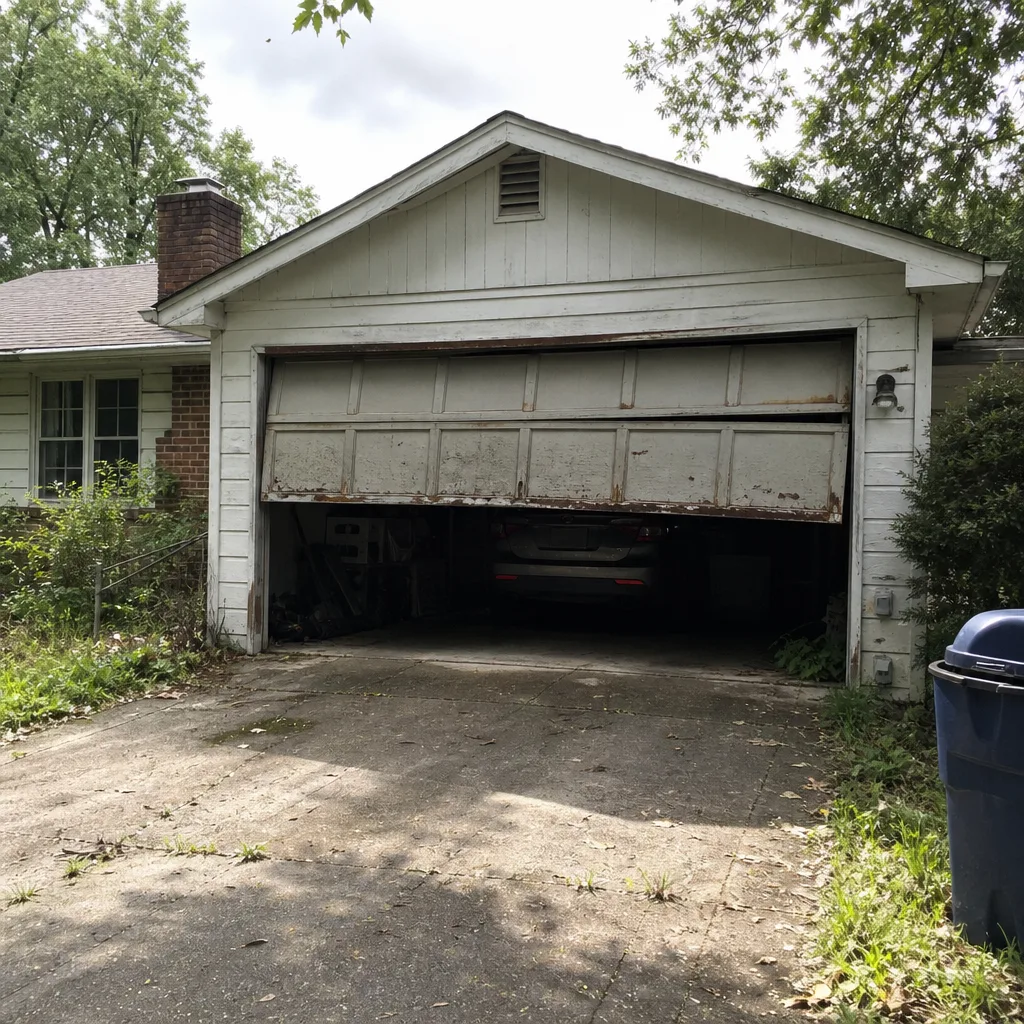 Before
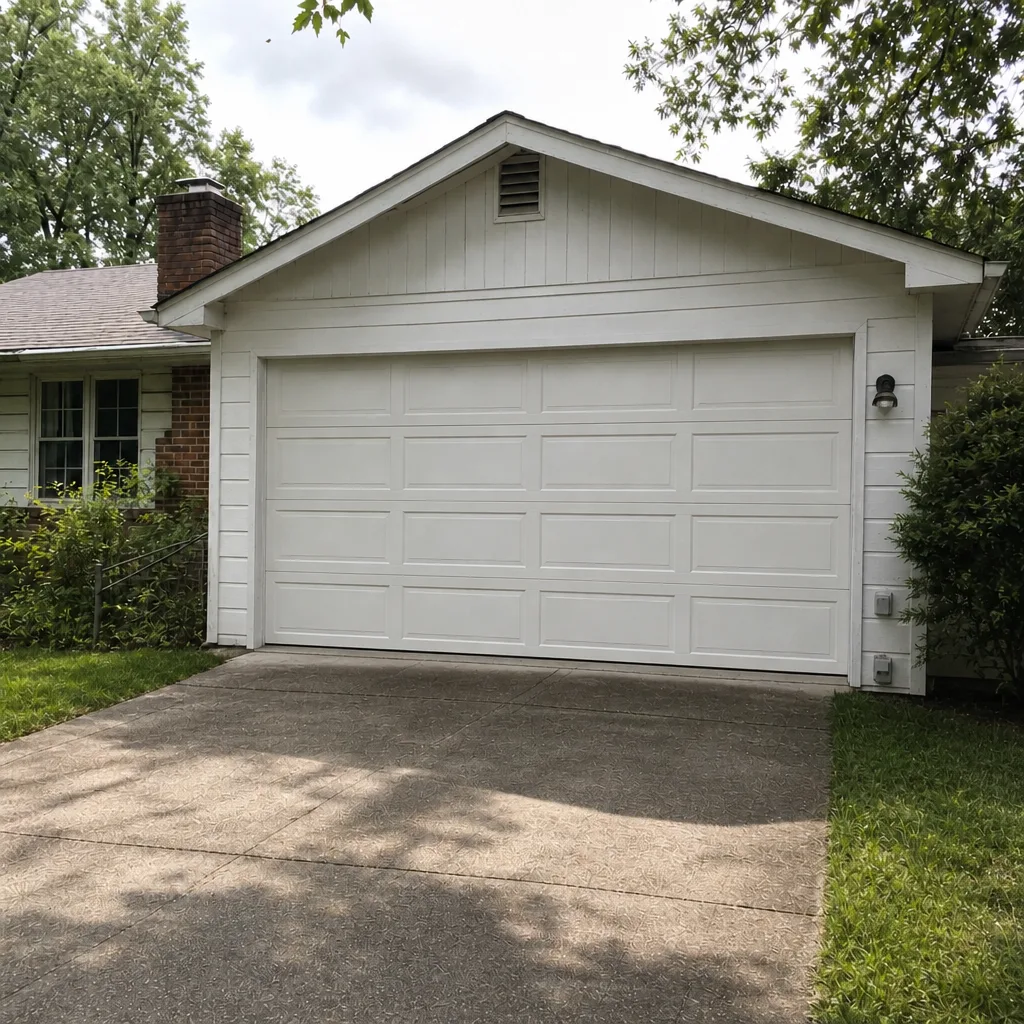 After
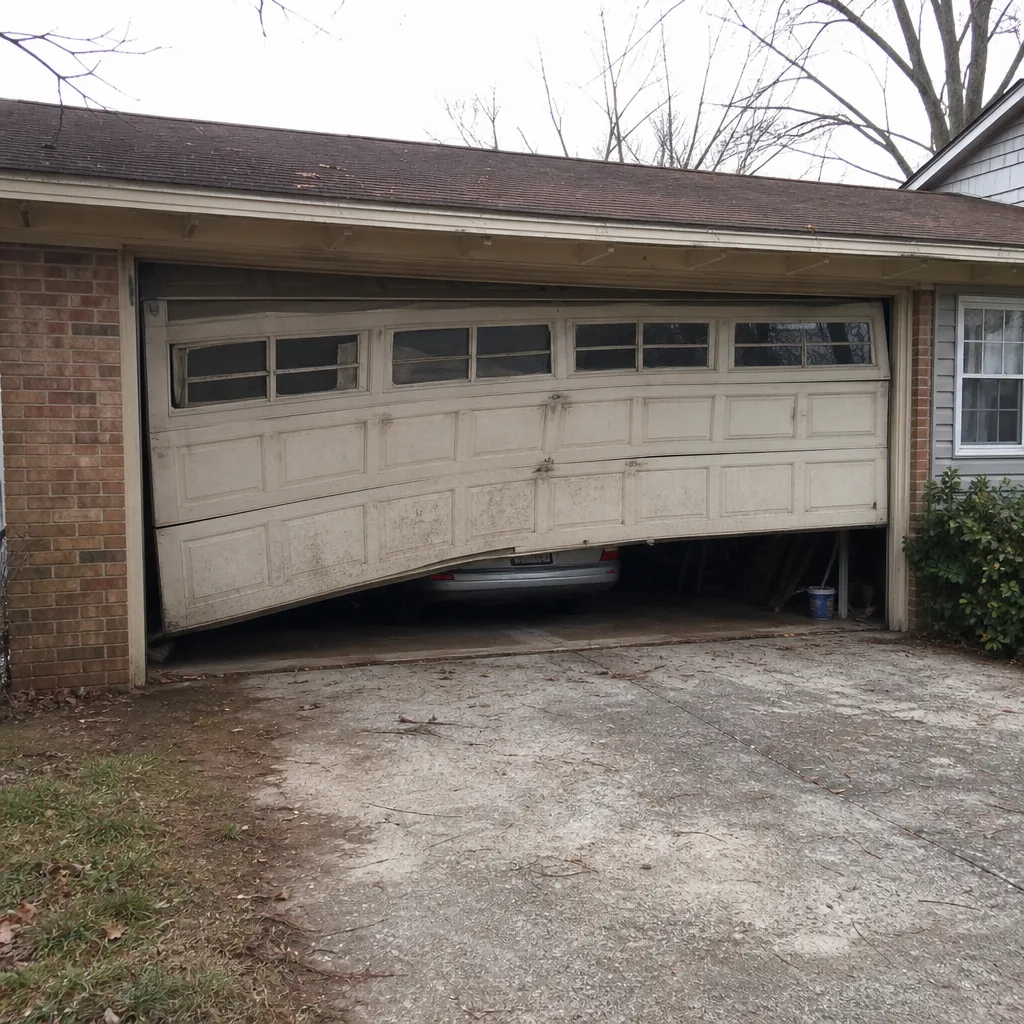 Before
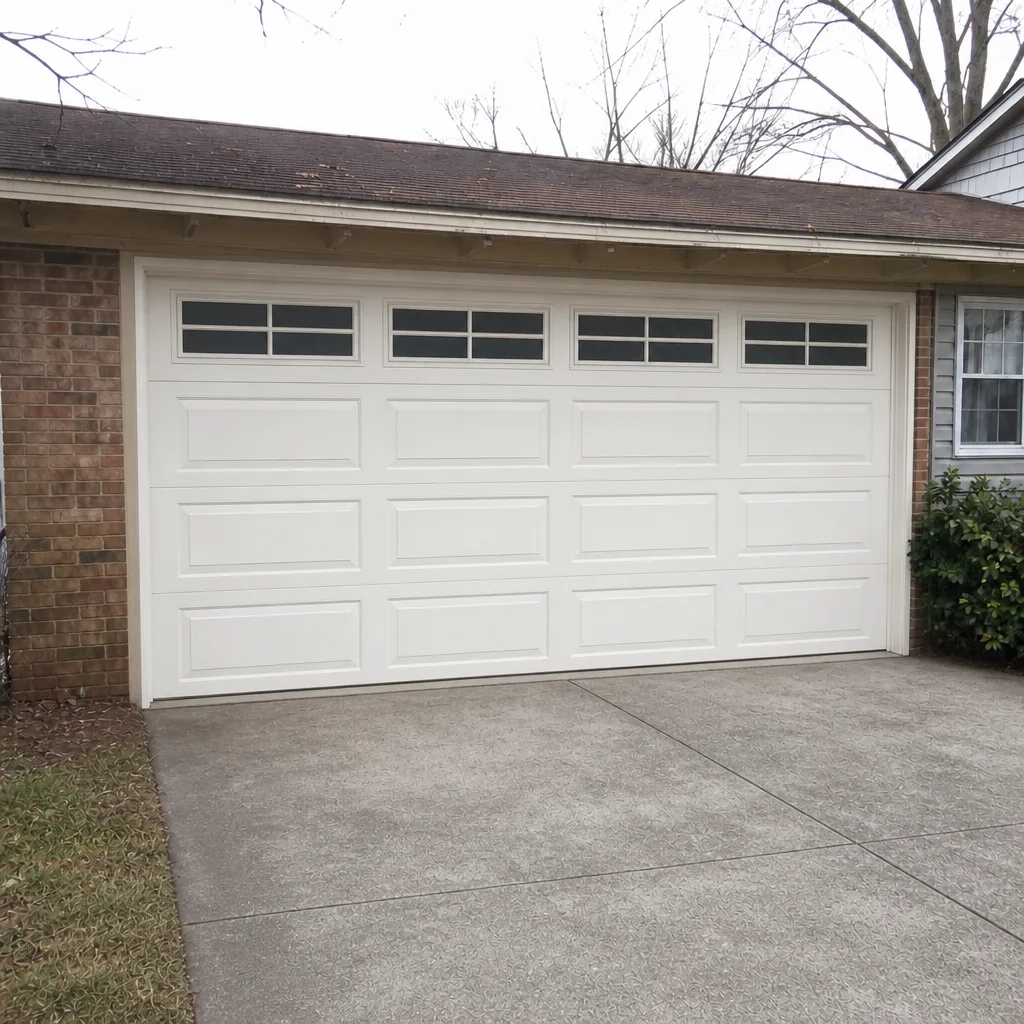 After
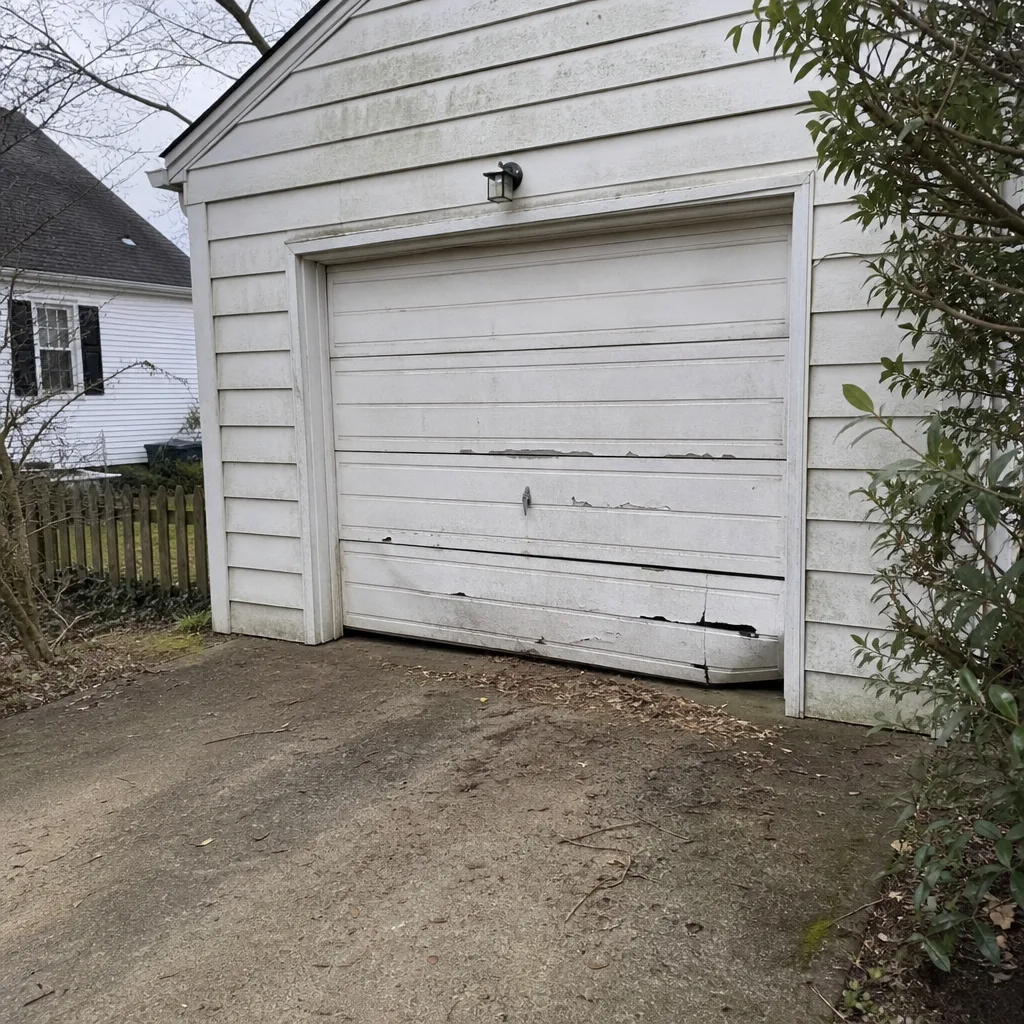 Before
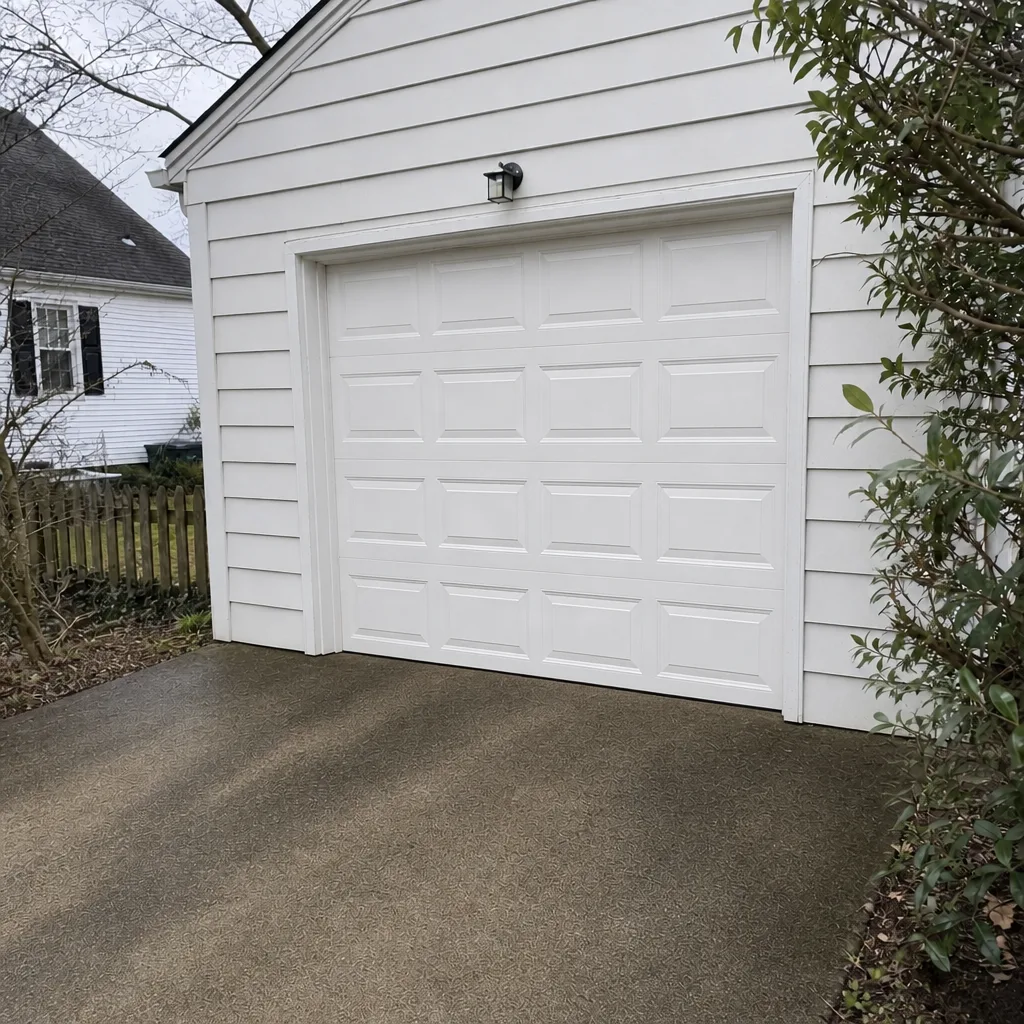 After