Last updated November 23, 2026
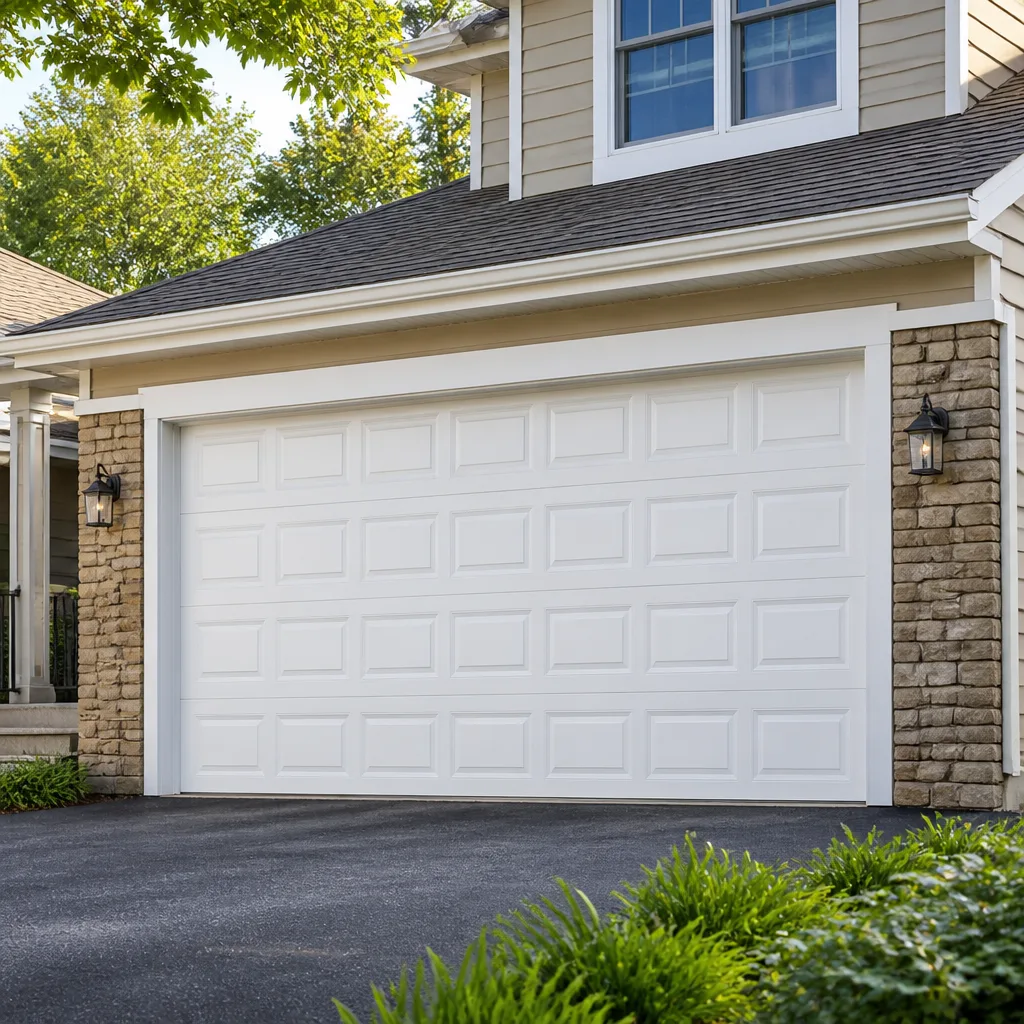 Raised-panel steel
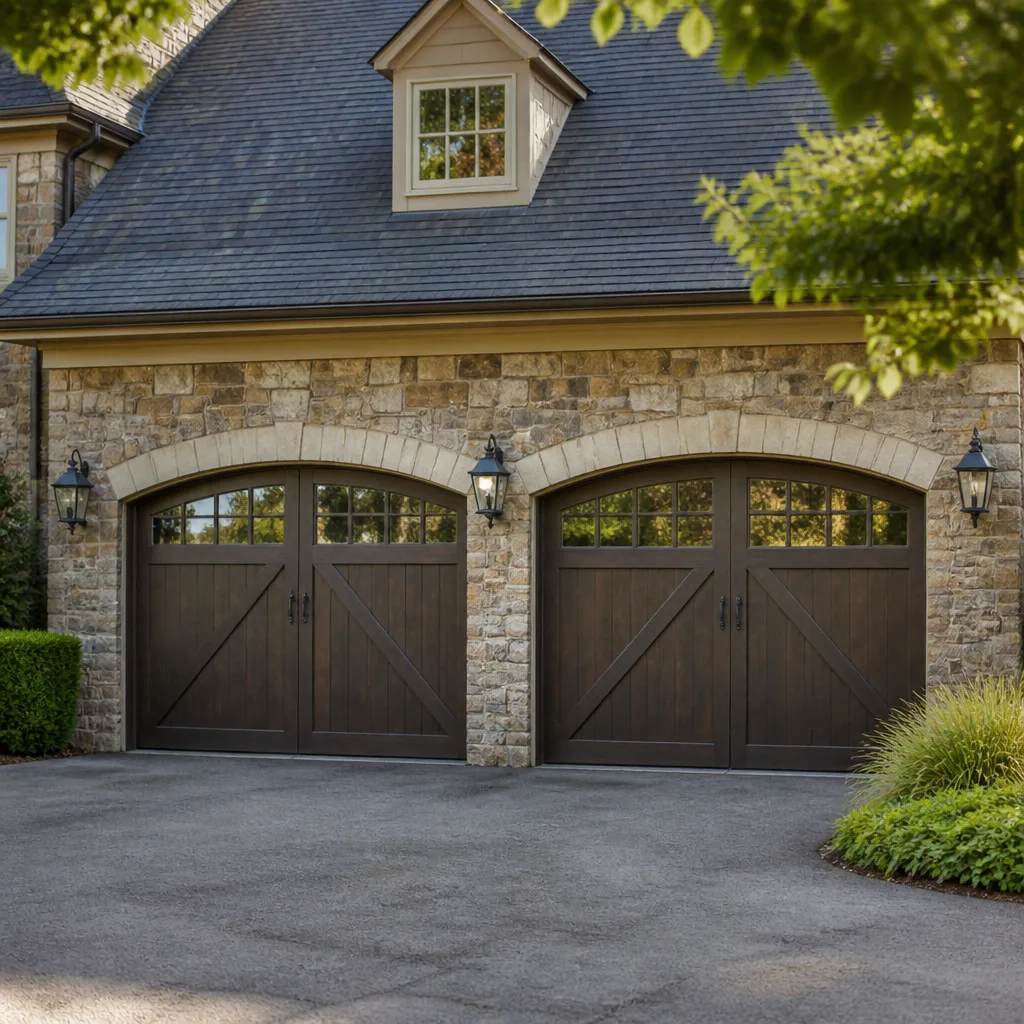 Carriage house
 Modern flush
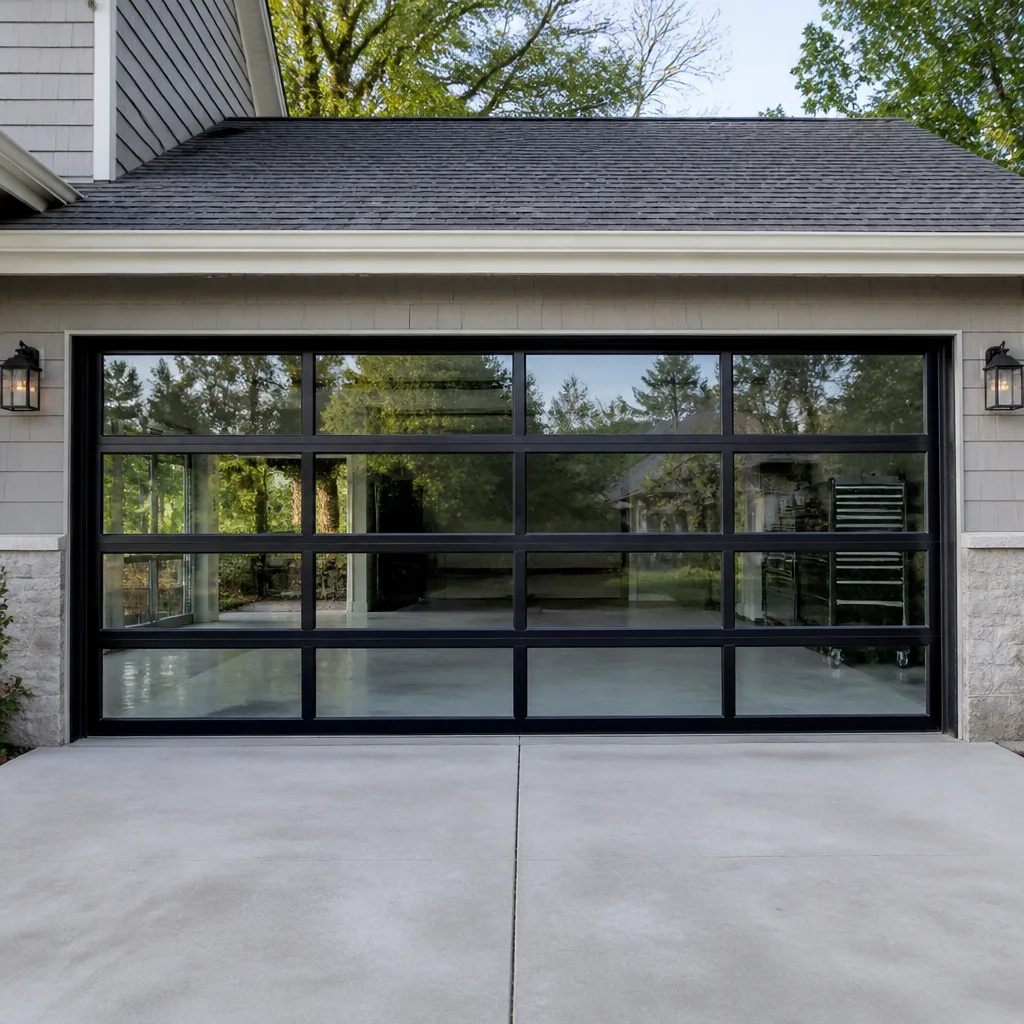 Full-view glass
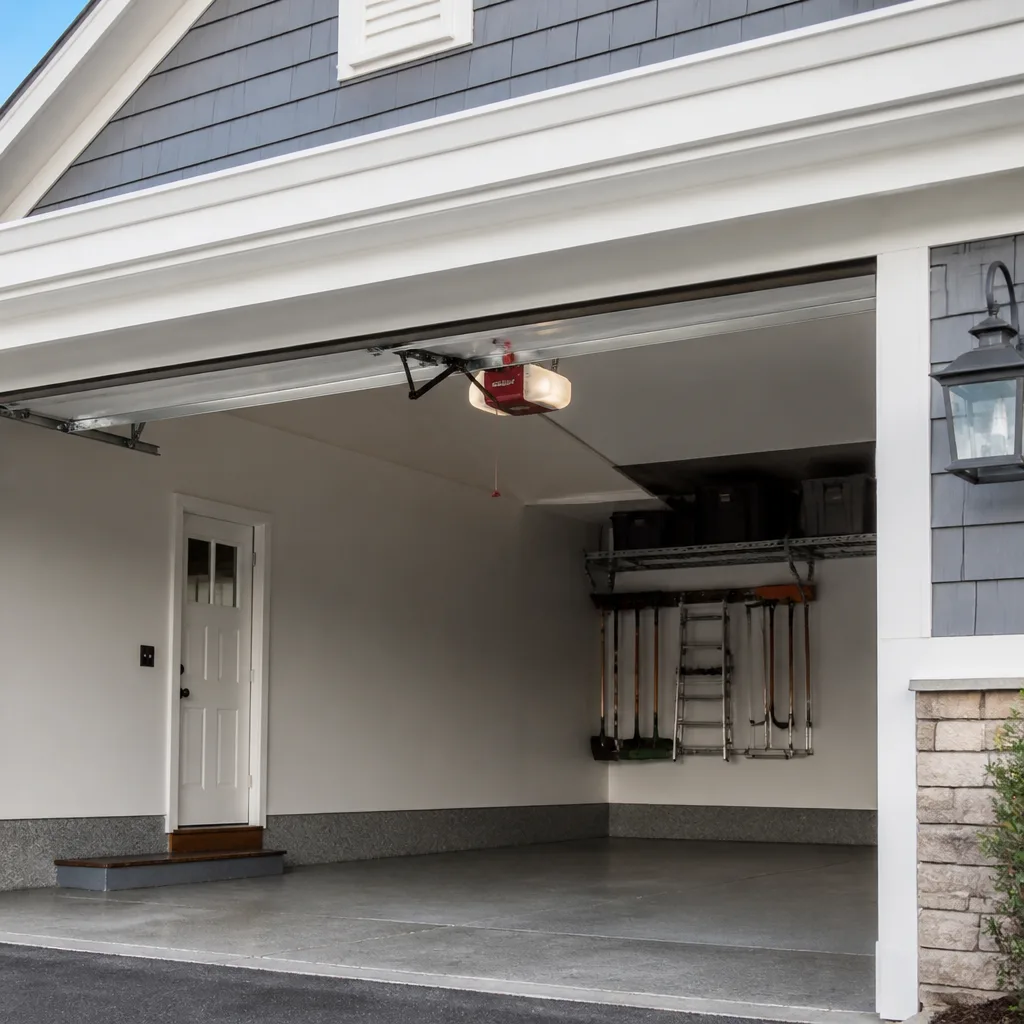 LiftMaster openers
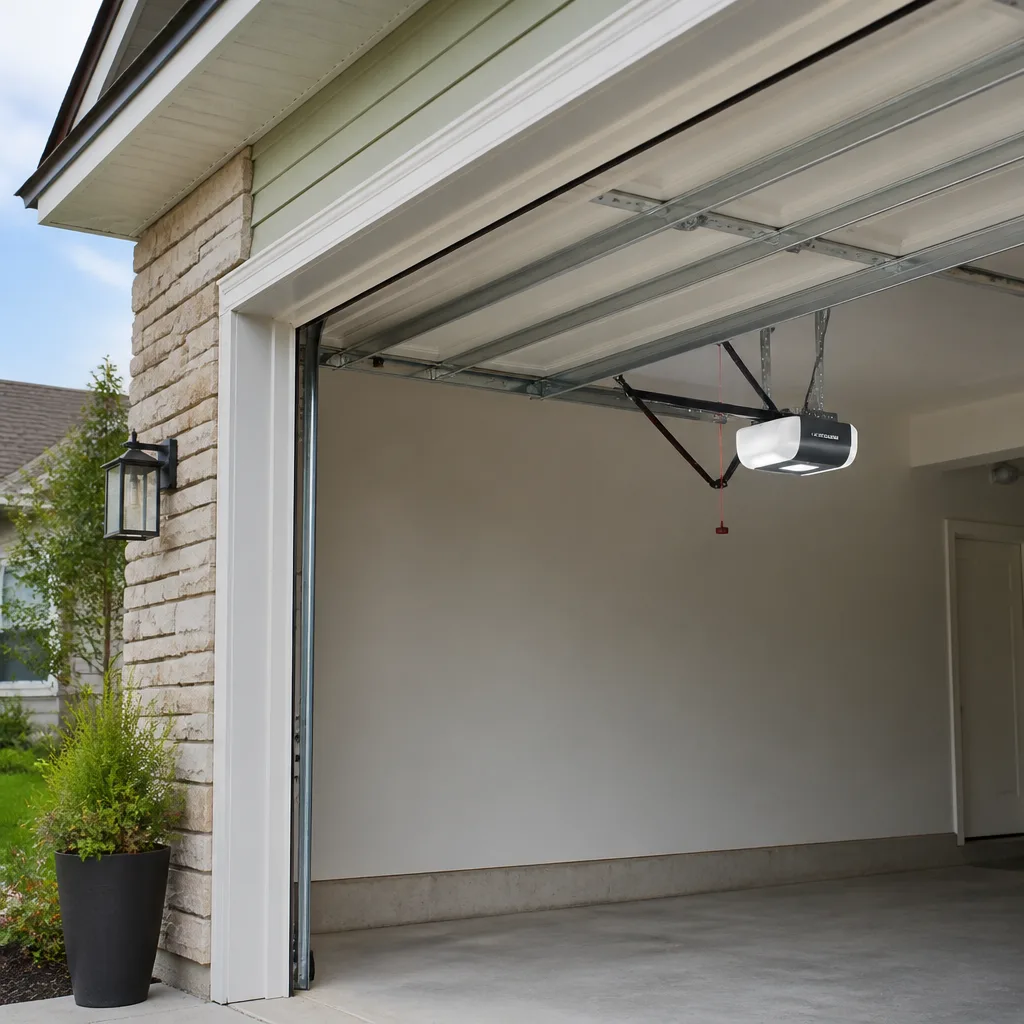 Chamberlain openers
Full 25-point door and opener safety check with every visit - springs, cables, rollers, tracks, and your LiftMaster or Chamberlain opener included
You get a price before we start. It does not change when the pro arrives.
Get your free estimateHow to Hire a Garage Door Contractor in Charlottesville: A Step-by-Step Guide
Most homeowners assume every name that shows up on the first page of a Google search for garage door work is a garage door company. In Charlottesville, that assumption leads people into trouble. The market here is crowded with generalist handymen, HVAC firms that added doors to the menu, and national lead-generation sites that sell your address to whoever answers first. A torsion spring holds enough tension to bend steel. Hiring the wrong person for that job isn’t a matter of a sloppy paint line; it’s a matter of safety. This guide walks you through how to tell a real garage door specialist from someone who does it on the side.
Quick Answer
To hire a garage door contractor in Charlottesville, verify three things before you book: that the company does garage doors as its primary trade (not as an add-on), that they can name and service the specific brand on your door or opener, and that they put a written, itemized estimate in your hands before work begins. Ask technical questions about spring systems and opener models, request proof of Virginia trade licensing and general liability insurance, and walk away from anyone who won’t quote in writing. Price matters, but expertise on a torsion spring is not the place to shop by lowest bid.
Styles & brands we work with
- Raised-panel steel
- Carriage house
- Modern flush
- Full-view glass
- LiftMaster openers
- Chamberlain openers
Table of Contents
- Why a Garage Door Specialist Is Different from a Handyman
- Three Technical Questions That Separate Specialists from Generalists
- What Licensing and Insurance Look Like in Virginia
- Red Flags in the Charlottesville Market
- How to Tell If They Really Support Your Brand
- Why the Lowest Quote Is Often the Most Expensive
- How to Read a Written Estimate
- A Step-by-Step Hiring Checklist
Why a Garage Door Specialist Is Different from a Handyman
A garage door is a counterbalanced lifting system, not a door on hinges. It runs on springs, cables, rollers, tracks and an opener, and every component carries load. A generalist who mounts ceiling fans and patches drywall may be perfectly capable around the house, but the door is a different mechanical animal. It’s the largest moving object in most homes, and it’s under continuous spring tension every hour of the day.
The Charlottesville contractor market reflects that gap in skill. Because the area has a steady mix of older homes, new construction and student rentals, there’s plenty of door work to go around, and plenty of people willing to take it on without the specialized training. The homeowner ends up paying for the education.
Here’s what a specialist knows that a generalist usually doesn’t:
- Load calculations. Springs are matched to door weight and height. A wrong spring runs the door hot, wears out the opener, and can leave the door unbalanced with the opener disconnected.
- Cable safety. Cables are under load and fail suddenly. A specialist knows how to inspect and replace them, and how to keep hands and tools out of the danger zone.
- Opener diagnostics. A door that won’t close can be a spring problem, a safety sensor problem, a track misalignment or a logic board fault. A specialist reads the system; a generalist guesses.
- Brand-specific parts. LiftMaster, Chamberlain, Genie, Clopay, Amarr, Wayne Dalton, Craftsman and Raynor each have their own hardware quirks. Knowing which opener is on the ceiling and where to source the right part saves days.
- Installation. Replacing a door is a measuring-and-fitting job. The panels, tracks and springs all have to match, and the tolerances are tight.
Garage doors are all we do. When you hire a specialist, you get a technician whose entire working day is spent on doors, springs, tracks and openers, not someone fitting your job between a plumbing call and a drywall patch. For the full scope of what a specialist handles, see our Charlottesville Garage Door Repair overview.
Three Technical Questions That Separate Specialists from Generalists
You don’t need to be a technician to vet one. Ask three specific questions on the phone before you book. The answers tell you almost everything.
- “Is my door a torsion spring or an extension spring system?” A torsion spring sits on a shaft above the door, running parallel to the header. Extension springs run alongside the horizontal tracks. Any real specialist can tell you immediately what you have once you describe it, or knows the two systems by sight. If the answer is vague, that’s a signal.
- “Do you work with IPPT or EZ-SET spring systems?” These are two common torsion spring setups, and they use different hardware. A specialist knows both and can tell you which fits your door. A generalist will often answer with a generic “we handle all springs” and then puzzle over the parts on arrival.
- “Which opener brands do you service regularly?” A real specialist can name the brands they work with, including common ones like LiftMaster, Chamberlain, Genie, and Craftsman. If they say “whatever brand you have” without naming any, they’re probably going to look up a manual in your driveway.
Two more questions worth asking if you’re unsure: “What’s the difference between a belt-drive and a chain-drive opener?” and “What happens if a cable snaps while the door is up?” The answers separate the experienced from the untrained. Our garage door spring repair team fields these questions every week.
What Licensing and Insurance Look Like in Virginia
Garage door work doesn’t always require a specific state license the way electrical or plumbing does, but that doesn’t mean you should skip verification. What you want to confirm is that the contractor is set up properly as a business and carries liability coverage that would pay out if something went wrong at your house.
Here’s what to ask for, and how to check:
- A business license. Ask for the business name and city or county where it’s registered, and confirm it matches the name on the estimate.
- General liability insurance. Request a certificate of insurance. If they can’t produce one, they aren’t set up to protect you. If your door drops on a car or a window, insurance is the difference between a paid claim and a headache.
- Workers’ compensation. If the contractor brings employees onto your property, ask about workers’ compensation coverage. If someone is injured on your property without it, the exposure can fall back on you.
- Written contract or estimate. Virginia consumer protection generally expects the scope of work in writing. Don’t accept a verbal promise for anything worth more than pocket change.
In Charlottesville, some contractors are set up through the city, some through Albemarle County, and some are based further out. Ask where they’re registered, and ask to see the paperwork. A legitimate business will have no problem sending it over.
The local pros we connect homeowners with are licensed and insured as their state requires, and we’ll tell you what documentation to request. For opener-specific work, see garage door opener repair.
Red Flags in the Charlottesville Market
The Charlottesville market has its own patterns of trouble. These warning signs are worth knowing before you pick up the phone.
- No physical address, or a PO box only. Some lead-generation sites appear to be local companies but funnel your call to a call center that dispatches whoever is closest. Ask for an address and check it.
- Refusal to give a written estimate. If they want to show up, look at the door and then quote you on the spot, you’re being set up for a higher bill than expected. Any real contractor can hand you a written scope.
- Vague “we do everything” messaging. HVAC companies and handymen who add garage doors to the menu often can’t service a torsion spring safely. Ask the three questions from the previous section.
- Pressure to buy on the spot. A same-day discount or a “must sign tonight” offer is a sales tactic. The door will still be there tomorrow.
- No brand knowledge. If they can’t tell you what opener is on your ceiling without looking up a manual, they aren’t set up for your system.
- Cash only, or no receipt. A real business takes a credit card and gives you paperwork.
- No real emergency capability. A door that won’t close at night leaves the house open. A first-call contractor can get out when it matters; a part-timer can’t.
One more market-specific flag: a southern-facing garage door takes a lot of sun in a Charlottesville summer, and the heat cycling over years wears out springs and rollers faster than most homeowners expect. A contractor who doesn’t ask whether your door faces south is probably not thinking about your door’s wear pattern at all.
How to Tell If They Really Support Your Brand
Almost every contractor says “we work on all brands.” That phrase means nothing on its own. What matters is whether they actually stock or source the right parts, know the specific quirks of your opener or door, and can service the electronics and mechanical components together.
Here’s how to test the claim:
- Name your brand and model, and ask for a specific part. For example: “I have a LiftMaster opener with a battery backup. Do you carry the correct replacement battery for that model?” Or “I have a Raynor door. Can you source the right torsion spring for it?” A specialist will know, or know exactly how to find out. A generalist will fumble.
- Ask about opener electronics, not just the door. Modern openers include logic boards, safety sensors, Wi-Fi modules and battery backups. A contractor who can only fix the mechanical side will tell you to call someone else for the opener. That’s a referral, not expertise.
- Ask about manufacturer documentation. Real specialists keep up with service bulletins and installation specs for the major brands. They don’t have to show you paperwork, but they should be able to talk about it.
We’re trained and equipped to service LiftMaster, Chamberlain, Genie, Clopay, Amarr, Wayne Dalton, Craftsman and Raynor products, so nearly every system a Charlottesville homeowner is likely to have falls within our scope. That breadth means one call, not a chain of referrals. For repair-specific questions, see the garage door repair page.
Why the Lowest Quote Is Often the Most Expensive
A garage door quote that comes in dramatically lower than the others usually has a hidden catch. The catch is not always obvious when you sign, but it shows up fast.
Here are concrete failure modes we’ve seen in the field:
- Mismatched springs. A cheap quote often means a spring with the wrong wire gauge or the wrong wind. That combo can wear out in a fraction of the normal lifespan, or leave the door out of balance. You pay again within a year.
- Reused cables and rollers. A low quote sometimes reuses your original cables and rollers to shave cost. Old cables under new tension is a real safety risk. Worn rollers make noise and strain the opener.
- No safety inspection. A cut-rate job skips the sensor alignment, force-limit check and balance test. Each one matters: a misaligned safety sensor can cause the door to reverse unpredictably, and a badly set force limit can crush objects.
- No written estimate. The “low” quote is verbal, and the invoice at the end is higher. You have no paper trail to push back on.
- No post-job support. A cut-rate contractor disappears after the check clears. If the spring fails early, you’re starting over.
Price is only half the equation. A proper spring replacement is measured, matched and tested. The cost of doing it once is almost always lower than doing it twice.
How to Read a Written Estimate
A written estimate from a real garage door specialist is more than a number. It tells you what’s being replaced, what isn’t, and how the work will be tested afterward. Here’s what a solid estimate should include:
- Scope of work. Specific parts and exact counts. If a matched spring pair is being replaced, the estimate should say “pair,” not just “springs.”
- Brand and model numbers. The estimate should name the specific spring, cable, roller or opener model being installed. If it just says “springs,” ask for the specifics.
- Labor and disposal. Removal and disposal of the old parts should be included, or explicitly excluded. Ask.
- Any additional recommended work. If the technician recommends new rollers or a safety sensor adjustment, that should be a separate line item with a price, not a lump sum.
- Testing steps. A professional estimate includes a post-install balance test, safety reverse check and force-limit verification.
- Payment terms. The full price should be crystal clear before work starts. The written quote is the price.
When we connect you to a local pro, the price is quoted and agreed before any work starts. That’s a standard you should hold every contractor to, in Charlottesville and anywhere else.
A Step-by-Step Hiring Checklist
- Identify what system you have. Torsion or extension? What brand is the opener? What’s the door material? A quick look at the door and a check of any label on the opener gets you most of the way.
- Search and shortlist. Search “garage door contractor Charlottesville” and pick three companies that clearly do garage doors as their primary trade. Rule out anything that looks like a general handyman or an HVAC outfit with doors on the menu.
- Call and ask the three technical questions. Torsion vs. extension, IPPT or EZ-SET, and which brands they service. Eliminate anyone who can’t answer clearly.
- Verify licensing and insurance. Ask for the business license name and a certificate of insurance. Confirm the business name on the estimate matches the name on the license.
- Request a written estimate with itemized line items. Brand names, model numbers, quantity, labor, disposal and testing steps. Anything less, ask for more.
- Compare scope, not just price. A quote that skips parts you need or testing steps you should get is not actually cheap. Compare the total scope of the job.
- Confirm emergency availability if the door is failing. If you’re already locked out or the door won’t close, ask whether they can get out to you today.
- Get it in writing before work starts. The written quote is the price. Confirm nothing gets added to the invoice without a heads-up first.
Common Mistakes to Avoid
- Hiring whoever answers first. The top of a Google result page isn’t a rank of expertise. It’s a rank of marketing. Shortlist three and vet each one.
- Skipping the licensing question. Virginia doesn’t license garage door work the same way it does electrical, but liability insurance and a registered business are still critical. Ask for both.
- Accepting a verbal estimate. A handshake and a number on a napkin is not a quote. Any real contractor can put the scope in writing.
- Assuming “all brands” means anything. Make them name your brand and part. If they can’t, they don’t service your specific system.
- Ignoring emergency response capability. A door that won’t close is a security issue. Ask about emergency service when you hire, not at 8 at night.
- Picking the lowest bid without a scope comparison. The lowest price usually comes with skipped parts, skipped testing, or reused cables and rollers that should have been replaced. The invoice at the end tells the real story.
- Not asking about sun exposure and cycle count. A south-facing door in a Charlottesville summer ages differently than a shaded one. A specialist will ask; a generalist won’t.
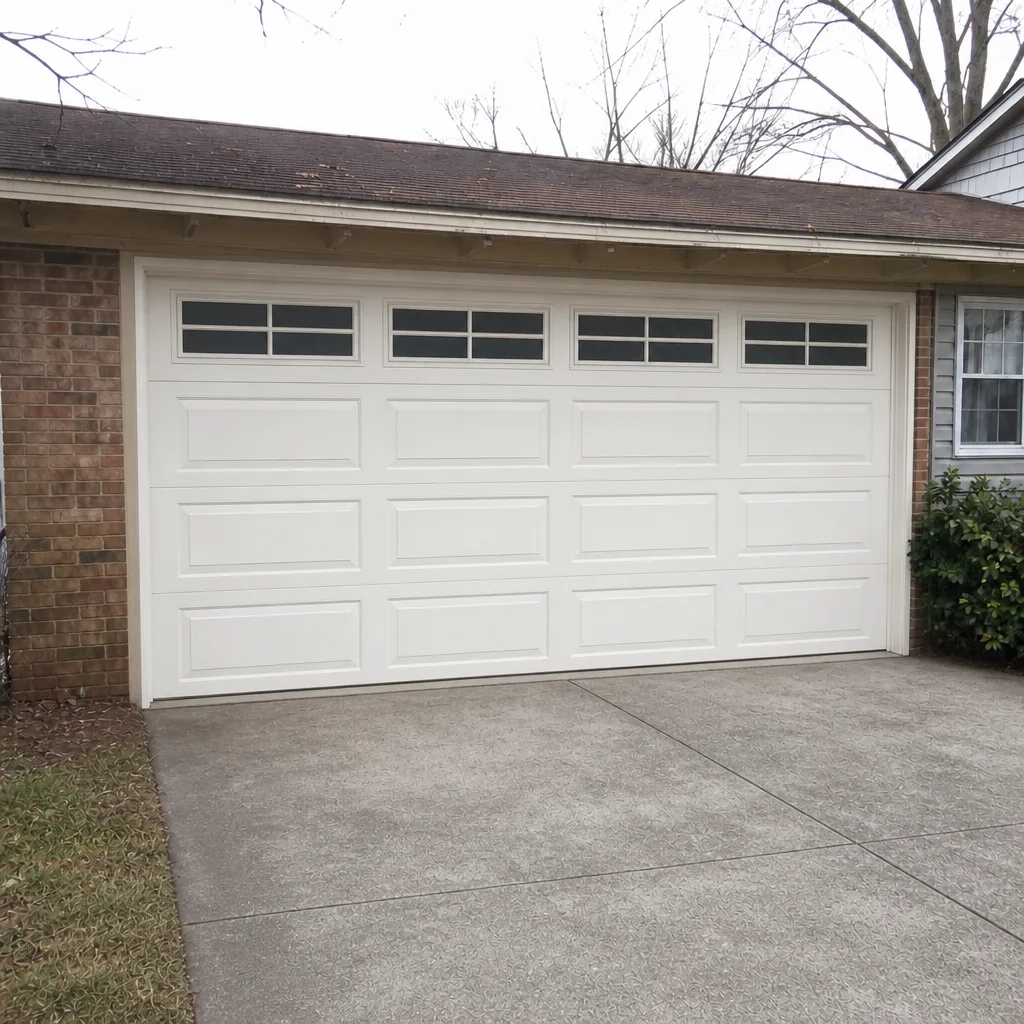
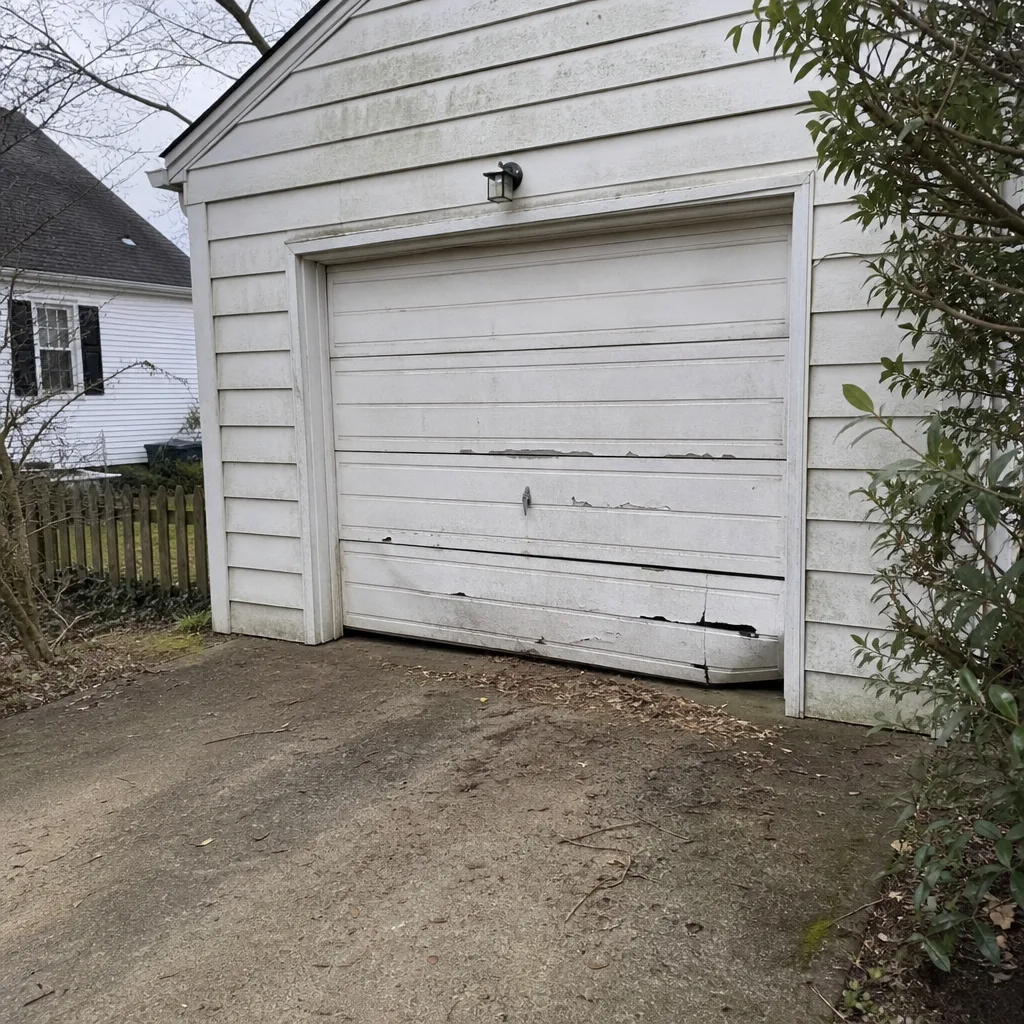
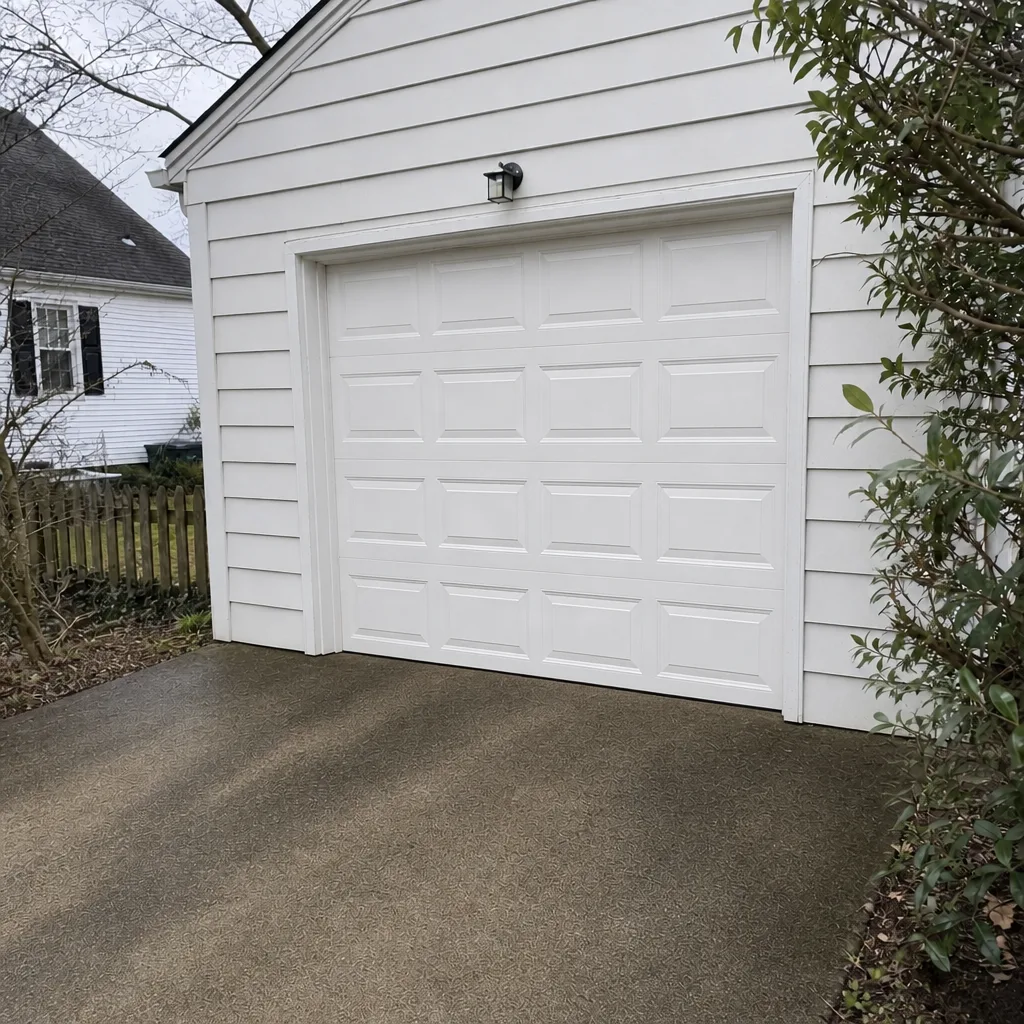
See the difference
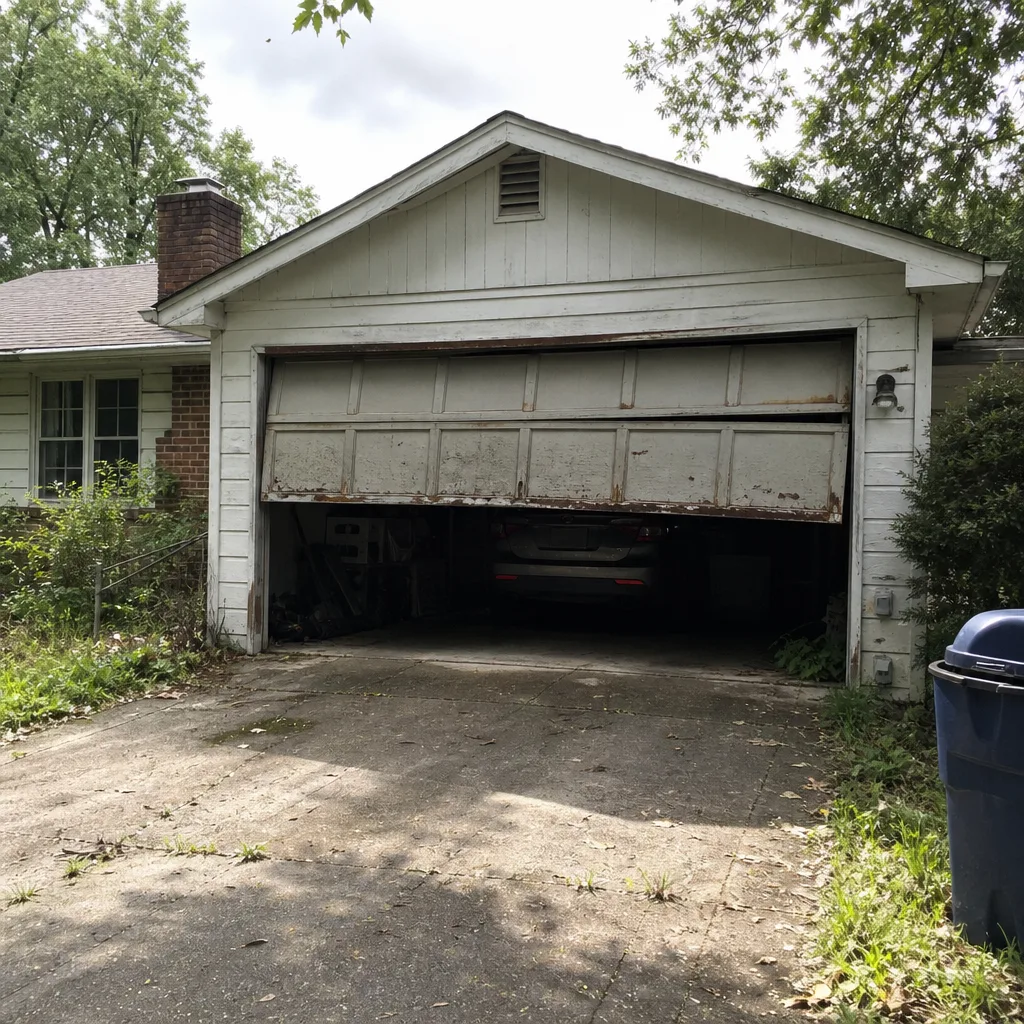 Before
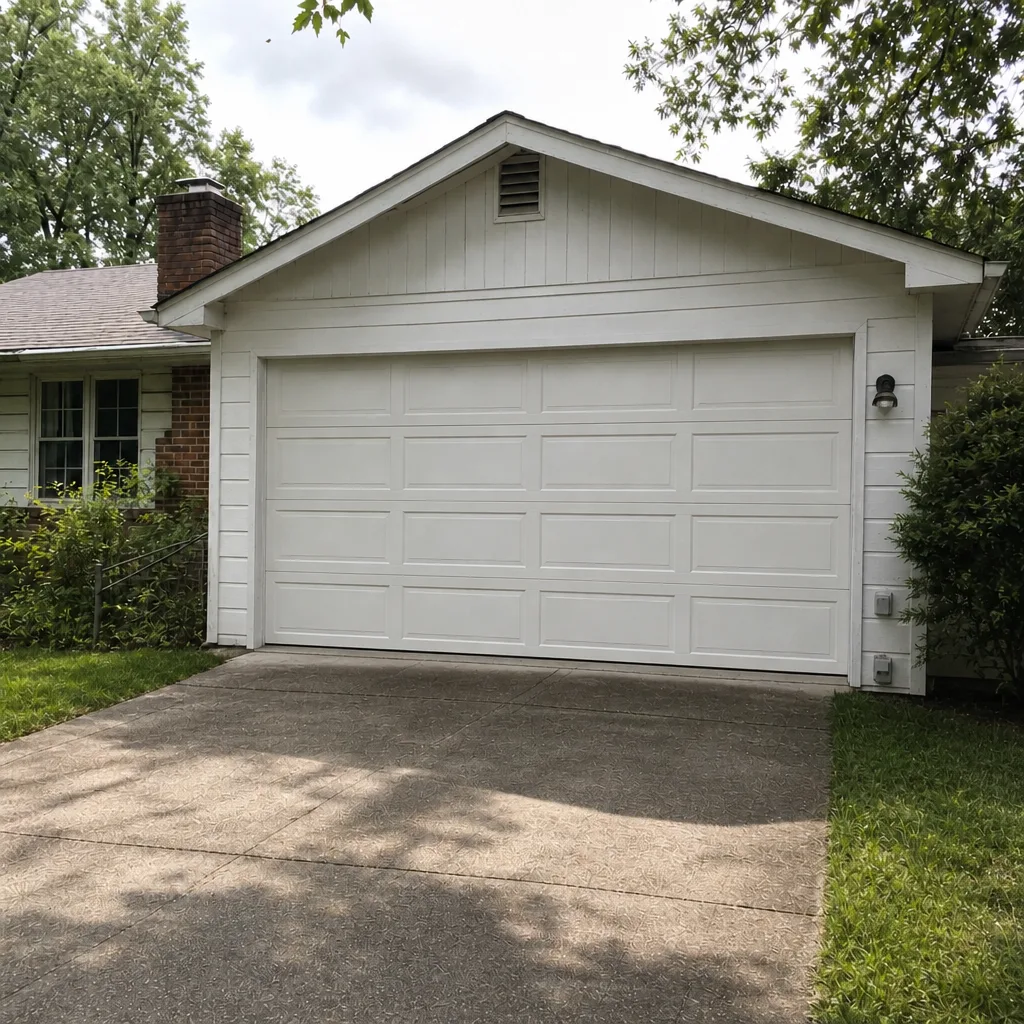 After
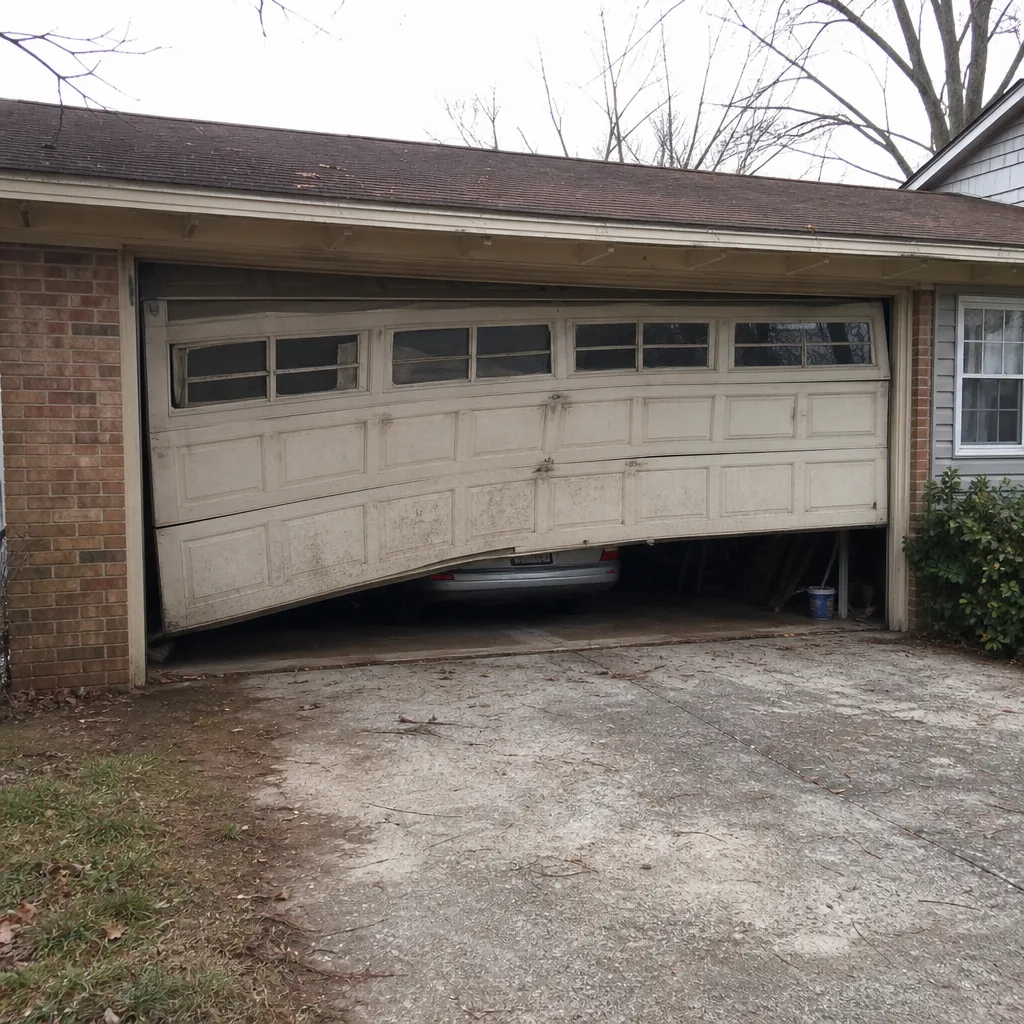 Before
 After
 Before
 After
When to Call a Professional
Some garage door issues are genuinely a call-now situation. A snapped torsion spring, a cable hanging loose, a door that comes down hard or won’t close all the way, an opener that runs but the door doesn’t move, or a door that reverses on its own before hitting the floor. Those aren’t DIY territory: torsion springs hold enough tension to cause serious injury, and cables can cut. Call a trained professional for anything involving springs, cables, or a door that’s off track or unbalanced.
For routine opener trouble, a door that’s begun to squeal, or a replacement you’re thinking about, you can call at your convenience. Charlottesville Garage Door Repair offers free estimates in Charlottesville. Call (877) 770-2070.
If you’re already dealing with an emergency, know that time matters. The local pro can typically prioritize emergency calls so the house isn’t left open overnight.
Frequently Asked Questions
Ask them to name specific brands and part systems. A real specialist will know the difference between torsion and extension springs, will understand IPPT and EZ-SET setups, and will name brands like LiftMaster, Chamberlain, Genie, Clopay, Amarr, Wayne Dalton, Craftsman and Raynor without hesitation. If they hedge or say “we handle all brands” without specifics, they’re likely a generalist. Another quick test: ask what they’d check if your door were reversing unexpectedly. A specialist will mention safety sensors, force limits and track alignment in the same breath.
A written estimate should include specific parts, model numbers, counts, labor, disposal and testing steps, and the final agreed price. A spring replacement estimate should say “spring pair” if a matched pair is being replaced, and note the spring spec. If the estimate just says “springs” or “labor” without detail, ask for a revised version. The written quote is the price, and the price shouldn’t change after work begins unless you approve a change in scope.
Virginia doesn’t have a single state license specifically for garage door work the way it does for electrical or plumbing. But contractors should still be registered as a business and carry general liability insurance. Ask for a business license name and a certificate of insurance. Confirm the name on the license matches the estimate. If they can’t produce it, hire someone else. For a spring or opener job, this is common-sense due diligence, not a technicality.
Yes. A door that won’t close, a snapped spring or a cable failure can leave the house exposed, and emergency service exists for exactly that. Ask the contractor you’re considering whether they offer emergency response. If they only work day hours and standard appointments, they’re not the right fit for a fire-safety or security situation. If the door won’t shut, call right away: (877) 770-2070.
Because it usually cuts corners on parts, testing, or reuse of old components. A cheap spring with the wrong wire gauge wears out fast. Reused cables under new tension are a safety risk. Skipped balance and force-limit checks lead to opener strain or worse. The lowest quote buys you a shorter lifespan and a second bill. Compare scope and parts, not just price.
Repair is usually the right call if the panels, tracks and hardware are otherwise sound and only one component has failed. Replacement makes more sense when the panels are damaged, the door is consistently out of balance, or repairs are adding up on a door that’s near the end of its life. Ask for both options in writing and compare. Charlottesville’s summer sun and its freeze-thaw winters put a door through a lot; a specialist can tell you whether replacement is worth it.
The Bottom Line
Hiring a garage door contractor in Charlottesville is mostly a matter of asking the right questions. Verify that the contractor does garage doors as a specialty, not as an add-on. Ask the technical questions: torsion or extension, IPPT or EZ-SET, which brands. Request written estimates and proof of business registration and insurance. Compare scope, not just price. And treat any contractor without a written estimate or emergency response capability as a red flag. That framework protects you from the generalist trap and gets you a door that works the way it should. For an honest look at your door, call (877) 770-2070 for a free estimate.
Our technicians have up to 15 years of experience working on doors, openers, springs and installations.
Written by the team at Charlottesville Garage Door Repair.