Last updated November 23, 2026
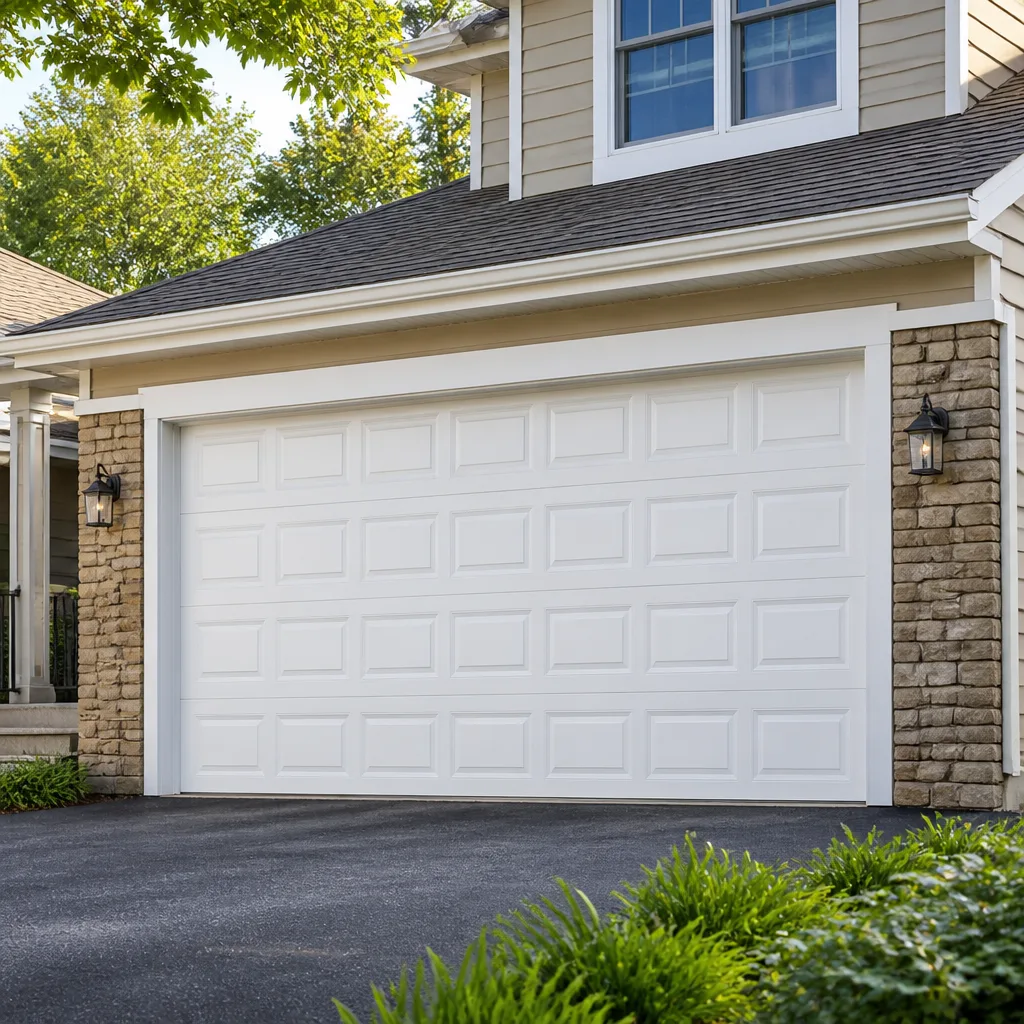 Raised-panel steel
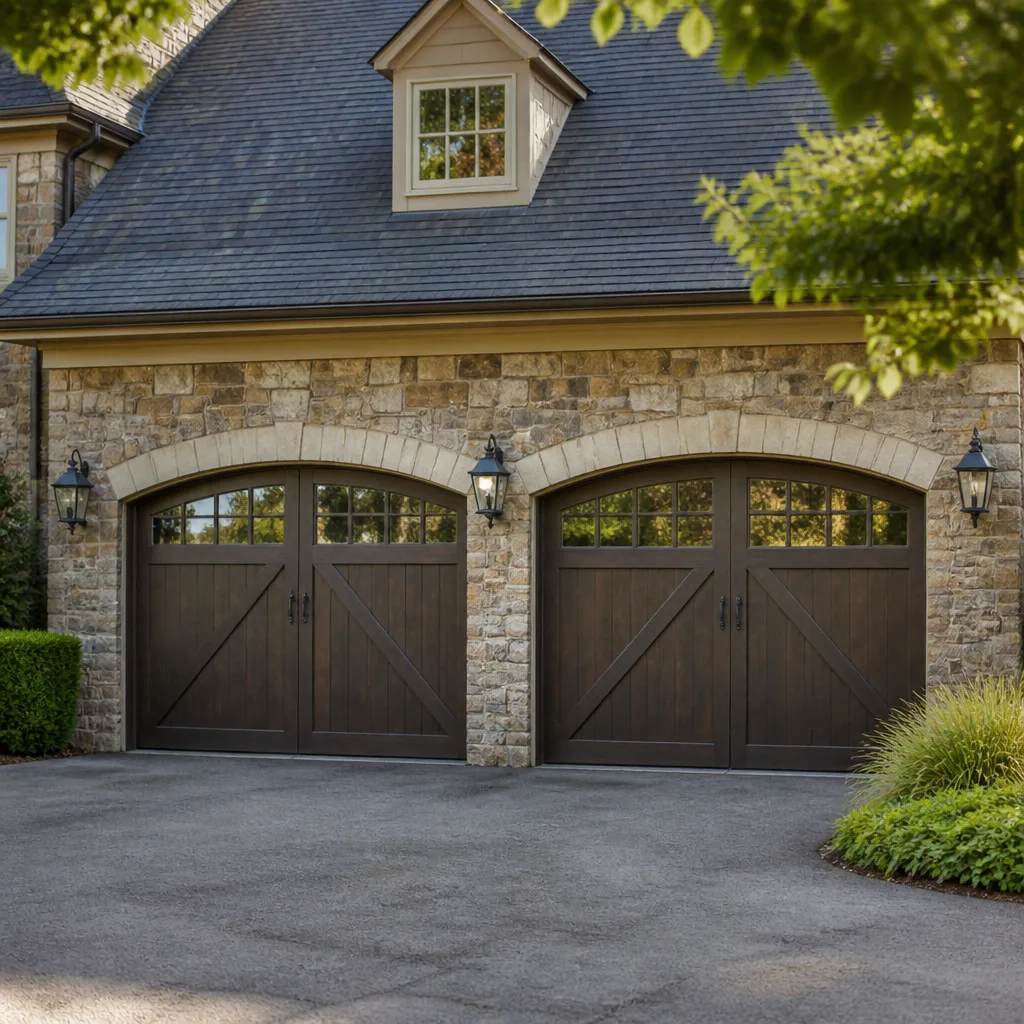 Carriage house
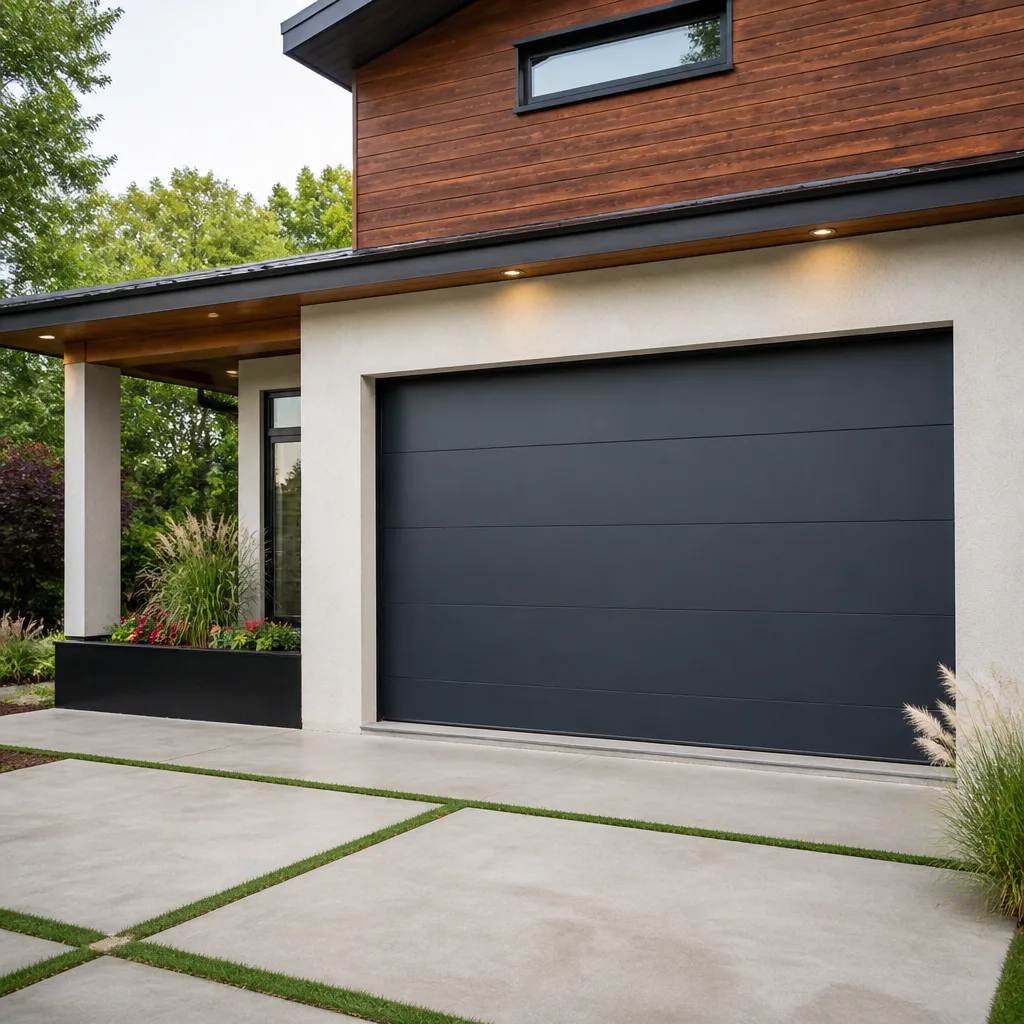 Modern flush
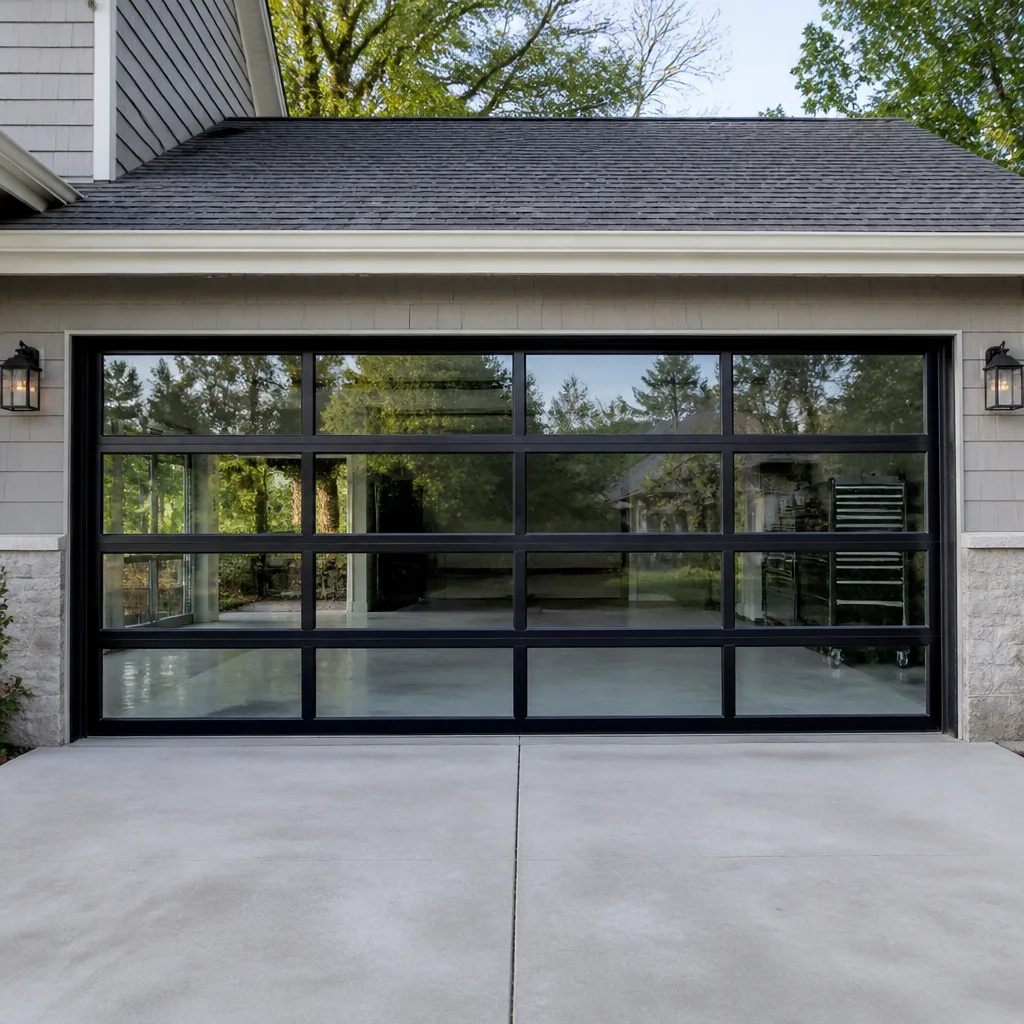 Full-view glass
 LiftMaster openers
 Chamberlain openers
Full 25-point door and opener safety check with every visit - springs, cables, rollers, tracks, and your LiftMaster or Chamberlain opener included
You get a price before we start. It does not change when the pro arrives.
Get your free estimateGarage Door Warning Signs: A Charlottesville Homeowner’s Reference Guide
A garage door that takes three seconds longer to open than it did six months ago isn’t just inconvenient – it’s telling you that your opener is compensating for a mechanical problem, and that compensation has a limit. Most homeowners wait until a door stops moving entirely before they call anyone. By then, what began as a worn roller or a stretching cable often becomes a snapped spring, a dropped door, or a car trapped inside. This guide pairs each warning sign with the specific failure it predicts, so you can judge urgency instead of guessing. You’ll learn what the sounds mean, how to run a balance test, and when a slow opener is actually a spring problem in disguise. Charlottesville homes sit in a climate with humid summers and freezing winters, and both seasons stress the same moving parts.
Quick Answer
The most urgent garage door warning signs in Charlottesville are a door that reverses before closing, visible cable fraying, a loud pop followed by a door that won’t lift, and a door that drifts or slams during the balance test. Slow or noisy operation is an early warning, not a normal quirk – it usually means the opener is masking a mechanical problem. Any sign that involves a broken spring, a frayed cable, or an unbalanced door is a stop-using-it situation, and you should call a specialist rather than keep cycling the door.
Styles & brands we work with
- Raised-panel steel
- Carriage house
- Modern flush
- Full-view glass
- LiftMaster openers
- Chamberlain openers
Table of Contents
- Normal Noise vs. the Sounds That Predict Failure
- Why a Slow Door Is Usually a Mechanical Problem, Not an Opener Problem
- Cable Fraying: Reading the Failure Timeline
- Uneven Movement and the Balance Test
- Intermittent Opener Response vs. Consistent Failure
- How Charlottesville Seasons Stress Garage Door Parts
- Why Spring and Cable Work Isn’t a DIY Job
- What Your Door and Opener Brand Tells You
Normal Noise vs. the Sounds That Predict Failure
A healthy door makes noise. Steel panels ride on steel rollers and a motor pulls them up a track, so you’ll always hear something. The question is which sounds are structural and which are cosmetic. In our experience, owners who can name the sound they’re hearing get a faster, more accurate answer when they call, and they describe the problem the way a technician needs to hear it.
The sounds below fall into two groups. The first is normal. The second predicts a specific failure.
Normal operational noise
- A steady, even hum from the opener motor
- A soft roll-and-clunk as each panel passes a hinge
- A light rattle in the tracks on a windy day
- A gentle click when the door reaches the floor
Sounds that predict imminent failure
- Grinding: metal-on-metal contact, usually worn rollers with flat spots or a dry bearing. Left alone, it chews the track and forces the opener to work harder.
- Popping or a single loud bang: almost always a torsion spring breaking. One bang is one spring. If you have two, the door will likely still lift partway and then feel extremely heavy.
- Scraping: a panel rubbing the track because the door is out of alignment or a hinge has bent. This one wears through the panel edge and gets expensive if ignored.
- Squealing: usually a dry or failing bearing or a roller seizing up.
- Rattling that changes with door position: loose hardware. Fasteners work themselves loose, and a loose bracket can shift the whole door.
The single most useful thing you can tell a technician is when the sound happens: on the way up, on the way down, at the top, at the bottom, or the whole cycle. A grind only at the very top points to the track curve. A pop only at the halfway point points to spring tension. That detail moves you from a phone call to a fix faster. For an accurate read on what’s failing, garage door repair starts with a listen and a visual inspection of the whole system, not just the part that’s loudest.
Why a Slow Door Is Usually a Mechanical Problem, Not an Opener Problem
Here’s the misconception that costs homeowners the most: a door that opens slowly must have a bad opener. Most of the time it’s the opposite. The opener is doing its job, and it’s working harder because the mechanics underneath it have degraded. A slow door is the system telling you it’s fighting resistance it shouldn’t have.
Think about what the opener actually does. It applies force to lift a door that weighs a few hundred pounds against springs engineered to balance that weight. When the springs weaken, the rollers drag, or the tracks drift out of plumb, the door needs more force than it used to. The opener delivers it anyway, up to its limit. That’s why a slow door is a mechanical symptom. The opener is compensating, and compensation has a ceiling.
How to tell whether it’s the opener or the door
- Pull the release cord. With the door closed, pull the manual release to disconnect the opener. Most openers, including Chamberlain and Genie units, use a red or black cord hanging from the rail.
- Lift the door by hand. A properly balanced door should lift with modest effort and stay where you put it, roughly waist high. If it feels heavy, drops, or won’t stay up, your springs or balance are wrong, not your opener.
- Listen while you lift. Grinding or scraping here confirms the problem is in the tracks, rollers, or hinges.
- Reconnect and watch the opener. If the door moves freely by hand but the opener still strains, the opener itself may be failing. That’s the less common case.
The reason this distinction matters in Charlottesville is temperature. Cold snaps stiffen grease in the rollers and tracks, and doors that felt fine in October suddenly feel sluggish in January. A door that’s slow only in cold weather is still a mechanical warning, because the cold is exposing friction that’s there all year. If you’d rather have it checked than guess, garage door opener repair begins with confirming whether the opener is the cause at all.
Cable Fraying: Reading the Failure Timeline
Garage door cables are the second high-tension component in the system, and they fail more quietly than springs. A torsion spring announces itself with a bang. A cable often fails strand by strand, and by the time it lets go completely, the door can drop crooked and wedge in the track. On an older or heavy door, a dropped corner is a serious safety situation, not a nuisance.
Cables run from the bottom corners of the door up to the drums at the top. They’re under constant tension, and they live in a damp, dusty, temperature-cycling space. Charlottesville’s humid summers and freezing winters are hard on the steel strands and on the lubrication that protects them.
What to look for, in plain terms:
- A single stray strand sticking out anywhere along the visible cable. This is the earliest warning. The cable has lost its full strength but hasn’t failed.
- Several broken strands, visible as a frayed or furry section. The cable is close to failing and the door should not be operated.
- A kink or a birdcage twist where the cable has jumped the drum. This one is already dangerous and needs a professional.
- A cable that’s visibly slack on one side when the door is down. Combined with an uneven lift, it points to a balance problem that will finish off the cable if left alone.
The failure timeline isn’t measured in months once strands start breaking. It’s measured in cycles, and that means days of normal use. If you can see a frayed strand, treat the door as out of service until it’s inspected. There’s no safe DIY way to replace a cable under tension, and the door shouldn’t be run to “test” it. Our garage door spring repair service covers the cables and drums along with the springs, because they fail as a set and should be evaluated as one system.
Uneven Movement and the Balance Test
Uneven movement is the most reliable early warning of a spring problem that hasn’t broken yet. You’ll notice it as a door that rises crooked, one side reaching the top before the other, or a door that sags at one corner when it’s closed. Left alone, an imbalanced door accelerates wear on one side, twisting the panels and stressing the cable on the heavy side. The balance test tells you in under a minute whether your springs are doing their job.
You can run the balance test safely, with the opener disconnected, and without disassembling anything.
- Close the door and pull the manual release cord to disconnect the opener.
- Lift the door by hand to about waist height and stop.
- Let go. A balanced door stays put. If it drifts down, your springs are weak or one is broken. If it drifts up, there’s too much tension or a spring is wound wrong.
- Lower it slowly and check that both sides travel together. If one side lags, the springs aren’t pulling evenly.
- Look at the gap under the door when it’s closed. Daylight showing at one corner means the door is out of level.
The balance test is a diagnostic, not a repair. If the door fails it, don’t try to adjust the springs yourself. Torsion springs are under extremely high tension, and loosening the wrong set screw can let the whole assembly unwind suddenly. That’s why we handle spring work as a specialty and why we recommend anyone in Charlottesville treat a failed balance test as a call-a-professional moment, not a weekend project.
Intermittent Opener Response vs. Consistent Failure
An opener that works most of the time can be more urgent than one that has stopped completely. It sounds backwards, but it isn’t. A door that won’t move gets your attention immediately. A door that fails one time in ten gets used anyway, and the one time it fails might be while someone is standing under it or backing a car through it.
Intermittent opener response usually traces to one of a few causes, and the good news is most of them are cheap to identify:
- Safety sensor misalignment: the two small lenses at the bottom of the tracks must “see” each other. A bumped sensor or a cobweb on the lens stops the door mid-travel and then it works the next time. This is the single most common cause.
- Loose wiring at the wall control or the motor head: a connection that’s just barely making contact fails now and then.
- A weak remote battery or a fading remote: try a fresh battery and a second remote to rule it out.
- Logic board or travel limit drift: more common on older openers across LiftMaster, Chamberlain, and Genie lines, where the travel limits need resetting or a component is failing internally.
Here’s why intermittent is more urgent: consistent failure is already a known problem you’re going to address. Intermittent failure is an unknown. If the door also fails the balance test or shows cable fraying, the intermittent opener behavior is a symptom of a bigger mechanical problem, and the door should come out of service until it’s checked. If the mechanics are sound and only the opener is flaky, you still want it addressed, because an unresponsive opener means a door you can’t open manually without difficulty if you have a heavy single-spring system.
How Charlottesville Seasons Stress Garage Door Parts
Weather is a background force on every garage door, and in central Virginia the swing between seasons is wide enough to matter. The cycle is the problem: humid summer air, then freezing winter air, then back again. Metal expands and contracts, grease thickens and thins, and the wood around the frame moves with the moisture. Each of those transitions nudges the door slightly out of whack, and the wear compounds over years.
What we see, season by season:
- Summer humidity: steel tracks rust, and rusted rollers and hinges seize. Wood door panels and wood frames around the opening can swell, and a door that closes cleanly in May can start scraping in August. Lubricating the moving metal parts matters more here than in a dry climate.
- Winter cold: grease stiffens, so a door that was quiet starts groaning and moving slowly. Steel cables become less forgiving, and a cable that was nearly finished may choose January to let go. Doors can also freeze to the floor or the frame, which stresses the opener and the springs when you try to force them.
- Spring and fall swings: the repeated freeze-thaw and dry-humid cycles loosen fasteners and shift the door out of balance.
A practical Charlottesville habit: walk out to the door when the season changes and run the balance test once. Listen once. Look at the cables once. You’ll catch the early signs while they’re still cheap to fix. The same seasonal pattern shows up whether you’re in a newer subdivision or an older neighborhood, because it’s about the air, not the house.
Why Spring and Cable Work Isn’t a DIY Job
A torsion spring holds enormous stored energy. When it’s wound, that energy is what lifts several hundred pounds of door, and when it releases unexpectedly, it can cause serious injury. This isn’t caution for its own sake. Spring and cable replacement is the most dangerous routine task in this trade, and it’s the one part where we recommend a trained technician every time, no exceptions.
The failures that matter most are sudden, and they tend to happen during adjustment, not during normal use. That’s the part most people miss. The danger usually shows up when someone is trying to loosen the wrong bolt or wind a spring back. The same goes for cables under tension and for the drums they wrap around. None of these have a safe shortcut.
What you can safely do as a homeowner:
- Run the balance test with the opener disconnected, as described above.
- Look at your cables for fraying and at your springs for a visible gap or a broken coil.
- Listen and note the timing of any unusual sound.
- Keep the door closed and lockable if you see or hear a failure, and call for help.
- Keep the tracks clear of debris and don’t force a door that’s binding.
What to leave to a specialist: spring replacement, cable and drum work, and anything that requires winding or unwinding tension. Ask any service you call whether the technician is trained for spring work specifically. A garage door is a spring-loaded machine, and general handyman experience doesn’t transfer to it. A trained technician respects the tension and knows the sequence that keeps the door safe while it comes apart.
What Your Door and Opener Brand Tells You
Every garage door and opener is a system, and knowing the brand tells a technician a lot before anyone touches it. The service history, the common failure points, and the right replacement parts all differ by make. That’s why we’re trained and equipped to work on LiftMaster, Chamberlain, Genie, Clopay, Amarr, Wayne Dalton, Craftsman, and Raynor – the eight brands most homes are likely to have. If your garage door opener is a LiftMaster or Genie unit, the troubleshooting path is different from a Chamberlain or Craftsman model, and the fix reflects that.
Why it matters for the warning signs in this guide:
- Opener brands each have their own sensors, travel limits, and remotes. An intermittent response means something different on a Genie unit than on a LiftMaster, and the diagnostic steps follow the brand.
- Door brands like Clopay and Amarr build panels and hardware that fit differently. A bent hinge or a stripped bracket isn’t a generic part; it’s a match to the door.
- Older doors sometimes use hardware that’s been discontinued. Knowing the brand and model up front saves a second visit.
If you have the model number, the owner’s manual, or a photo of the label on the motor head or the door edge, mention it when you call. It shortens the conversation. When the door needs a replacement rather than a repair, the brand question moves to what’s available for your opening and your budget, and our team can walk you through that at the same visit.
Common Mistakes to Avoid
- Waiting for a total failure. A door that still opens but is slow, noisy, or crooked is already in the failure window. Treating it as “working for now” is how a cheap repair becomes a spring and cable job, or a dropped door.
- Assuming a slow door means a bad opener. Run the balance test with the opener disconnected first. If the door is heavy by hand, the problem is mechanical, and replacing the opener won’t fix it.
- Forcing a door that’s binding. If the door resists, stops, or reverses, stop pressing the button. Repeated cycling wears the cable and track and can drop a door dangerously.
- Ignoring a single frayed strand. A broken strand means the cable is weakened and working toward failure. It’s a stop-using-it sign, not a wait-and-see one.
- Trying to adjust springs or cables yourself. Both are under high tension. This is the one part of garage door work we always recommend leaving to a trained technician.
- Skipping the seasonal check. Charlottesville’s humid summers and freezing winters move the door out of balance over time. One balance test at each season change catches problems while they’re small.
- Calling a generalist for a specialist problem. Spring work, cable work, and brand-specific opener diagnostics aren’t areas where general experience carries over. A garage door is all we do, and that focus is why the answer is usually faster.
See the difference
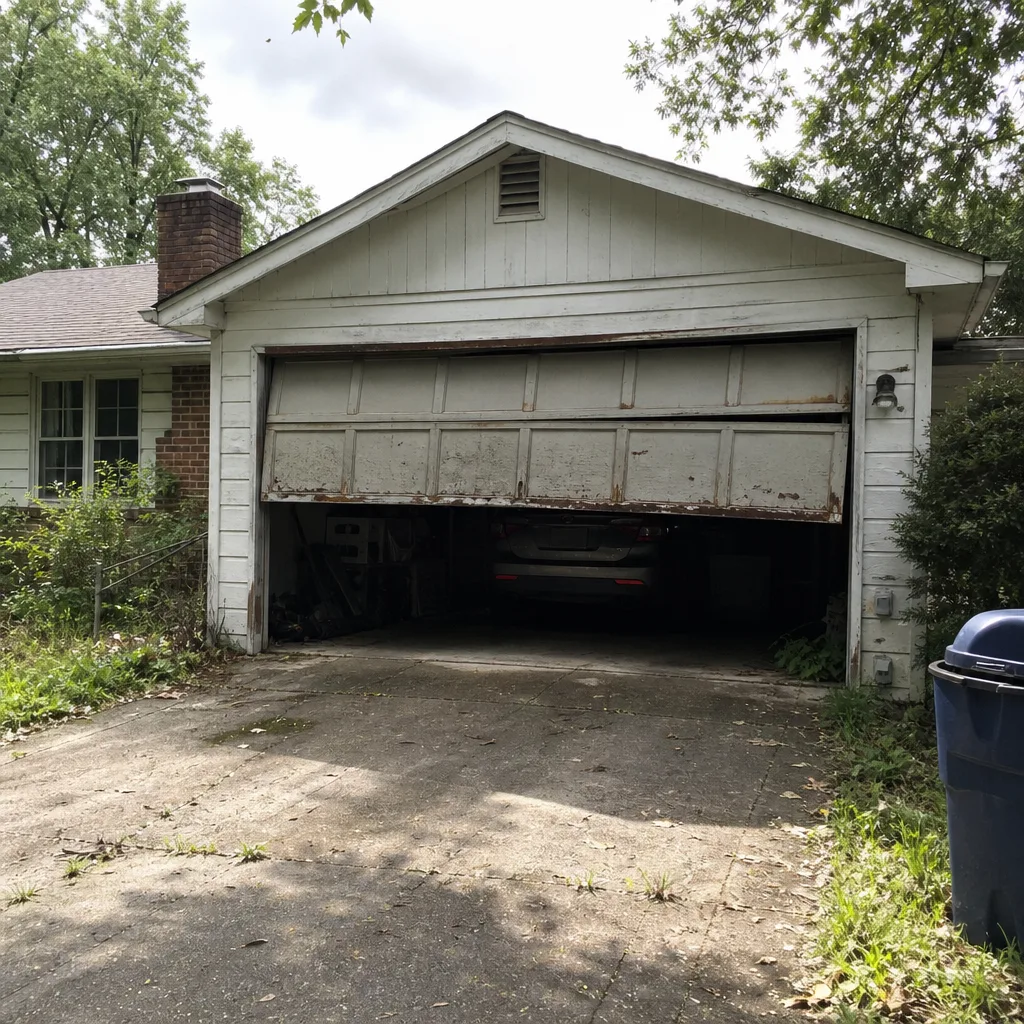 Before
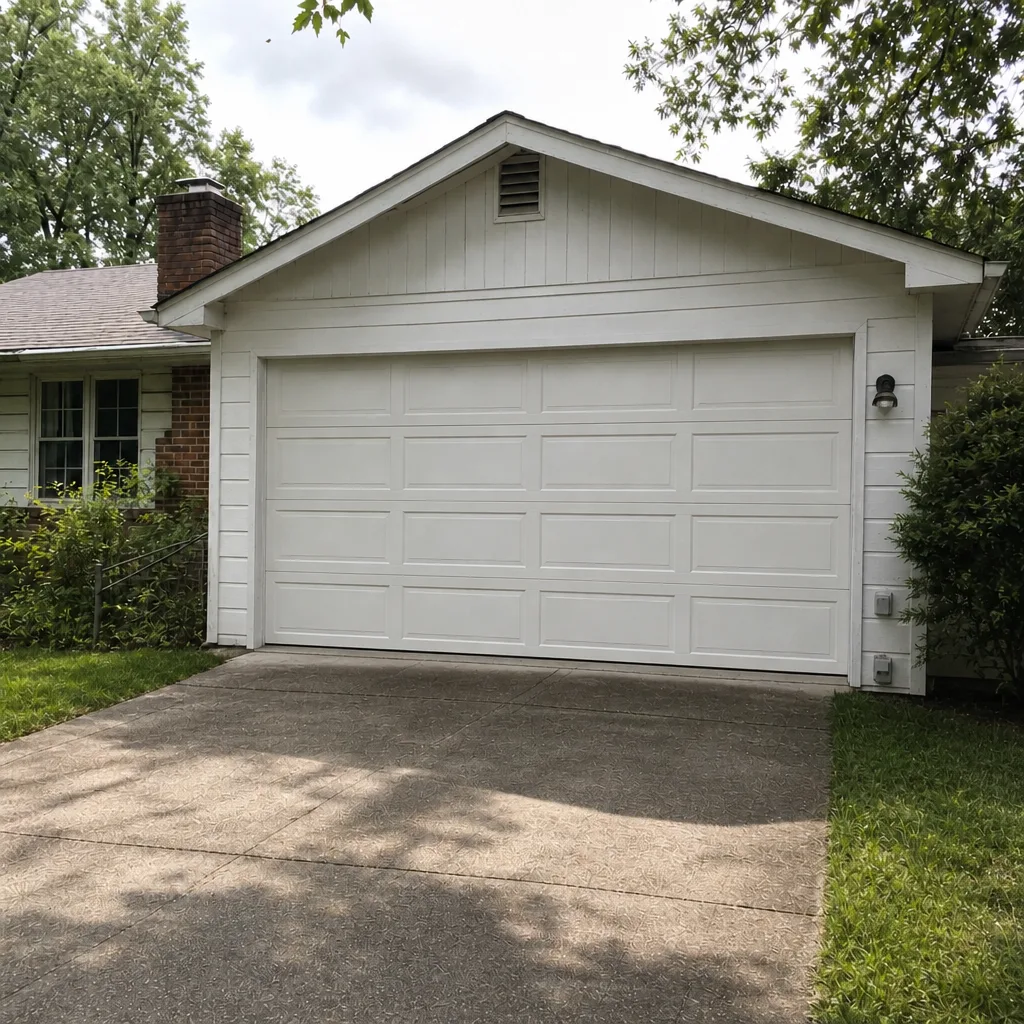 After
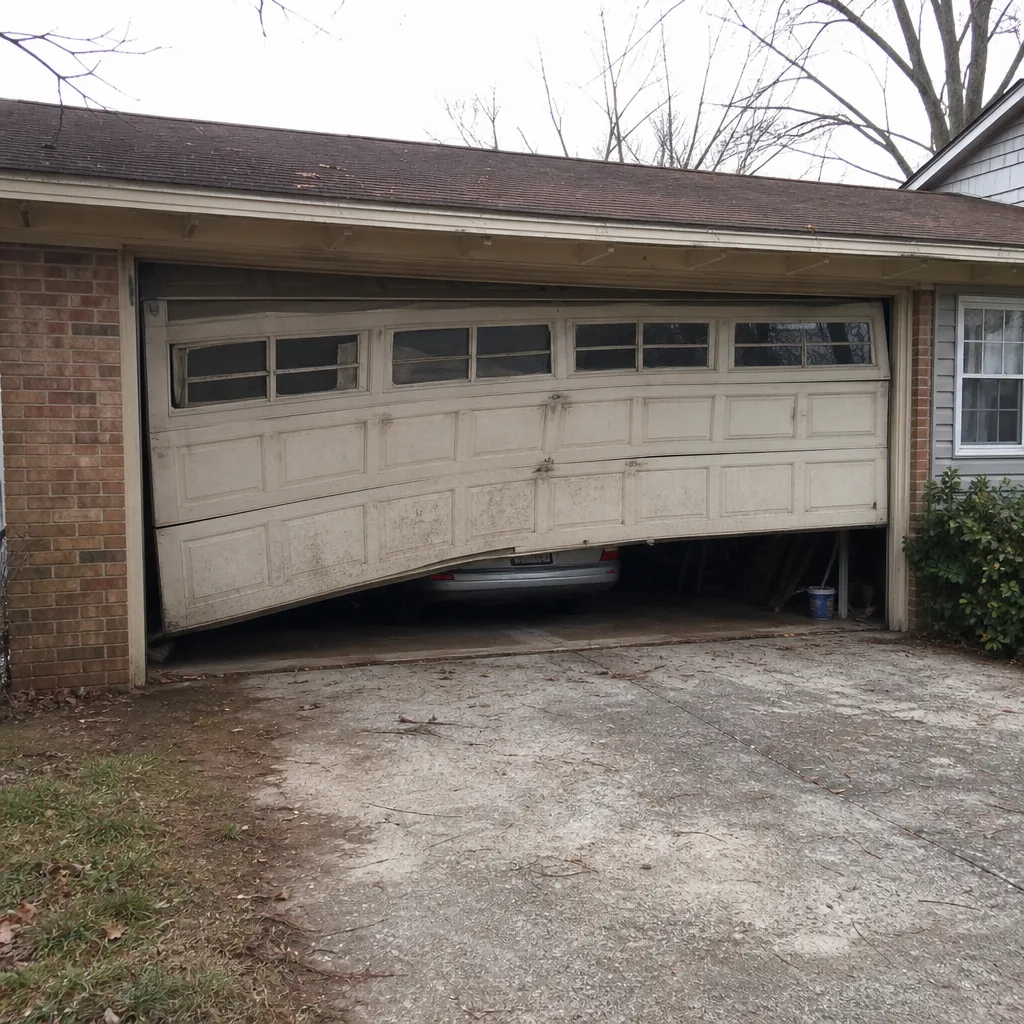 Before
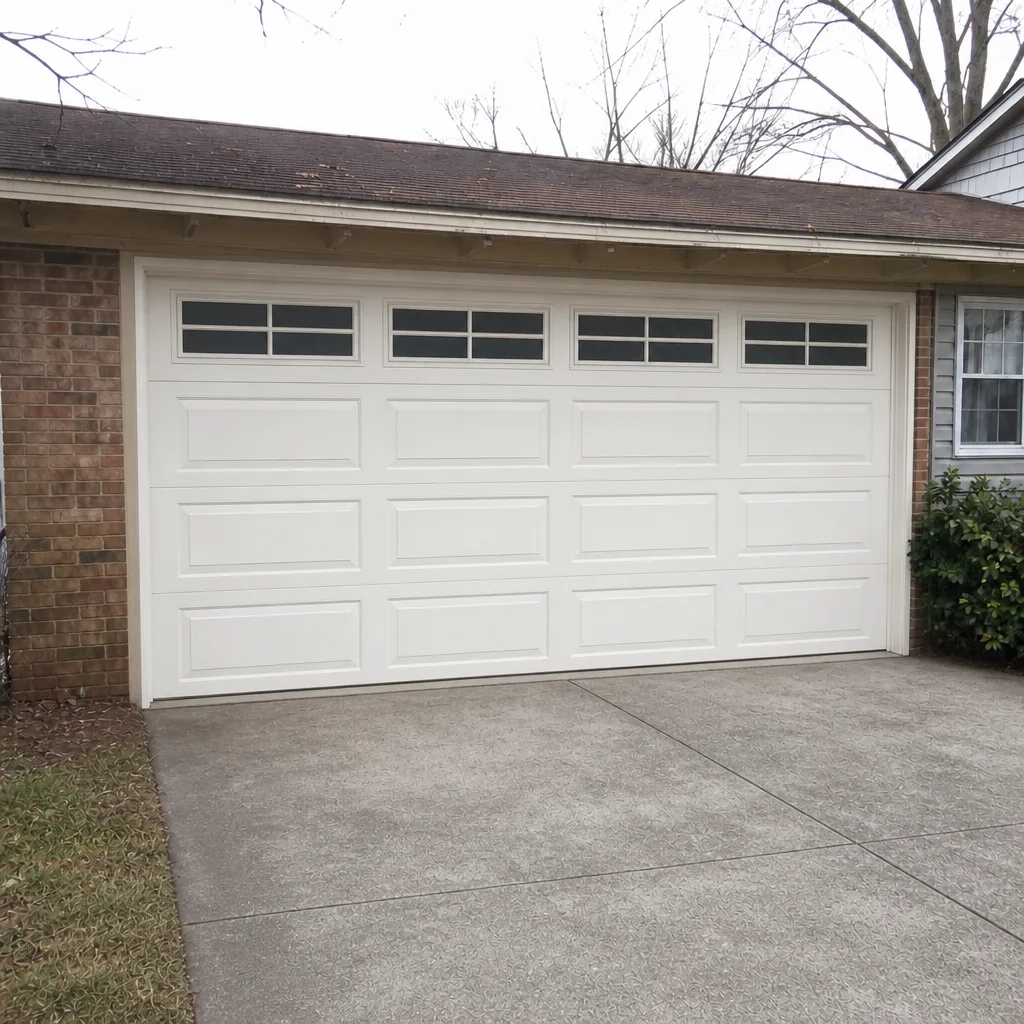 After
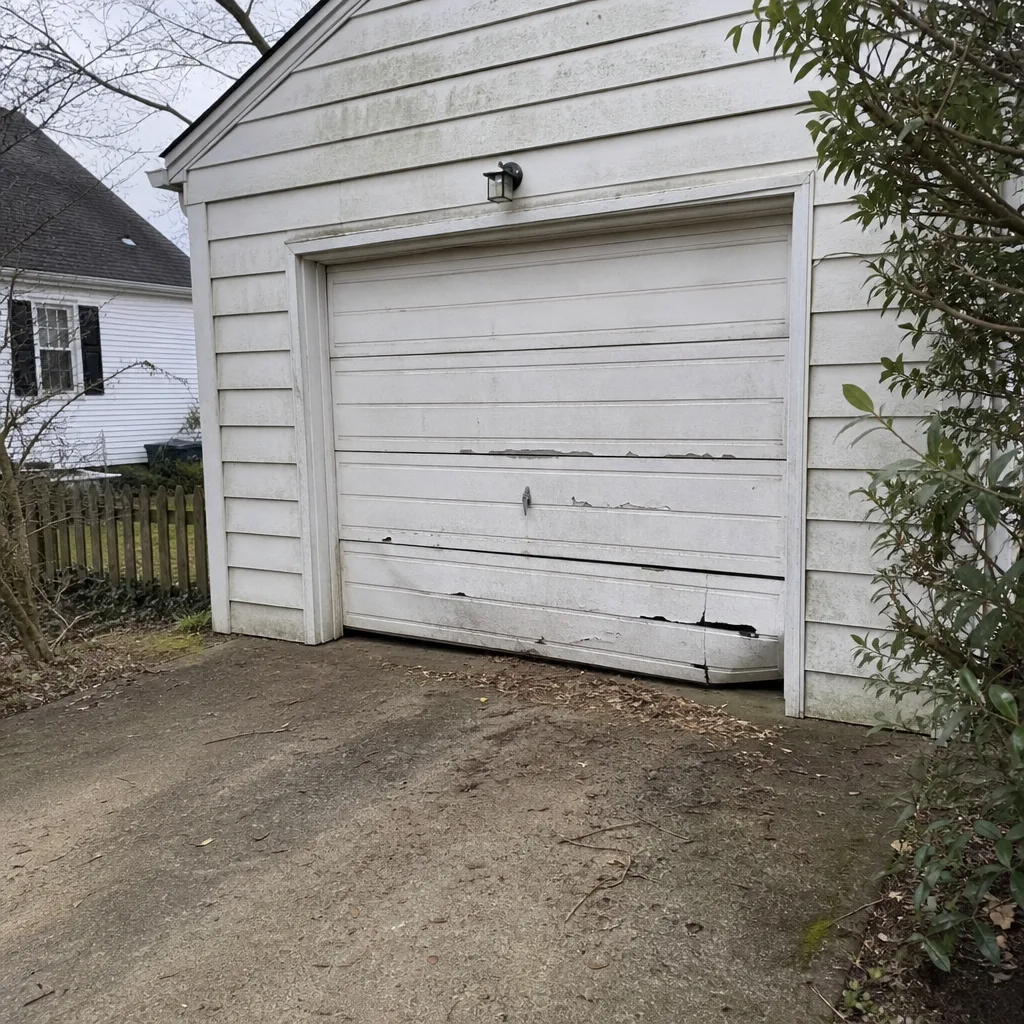 Before
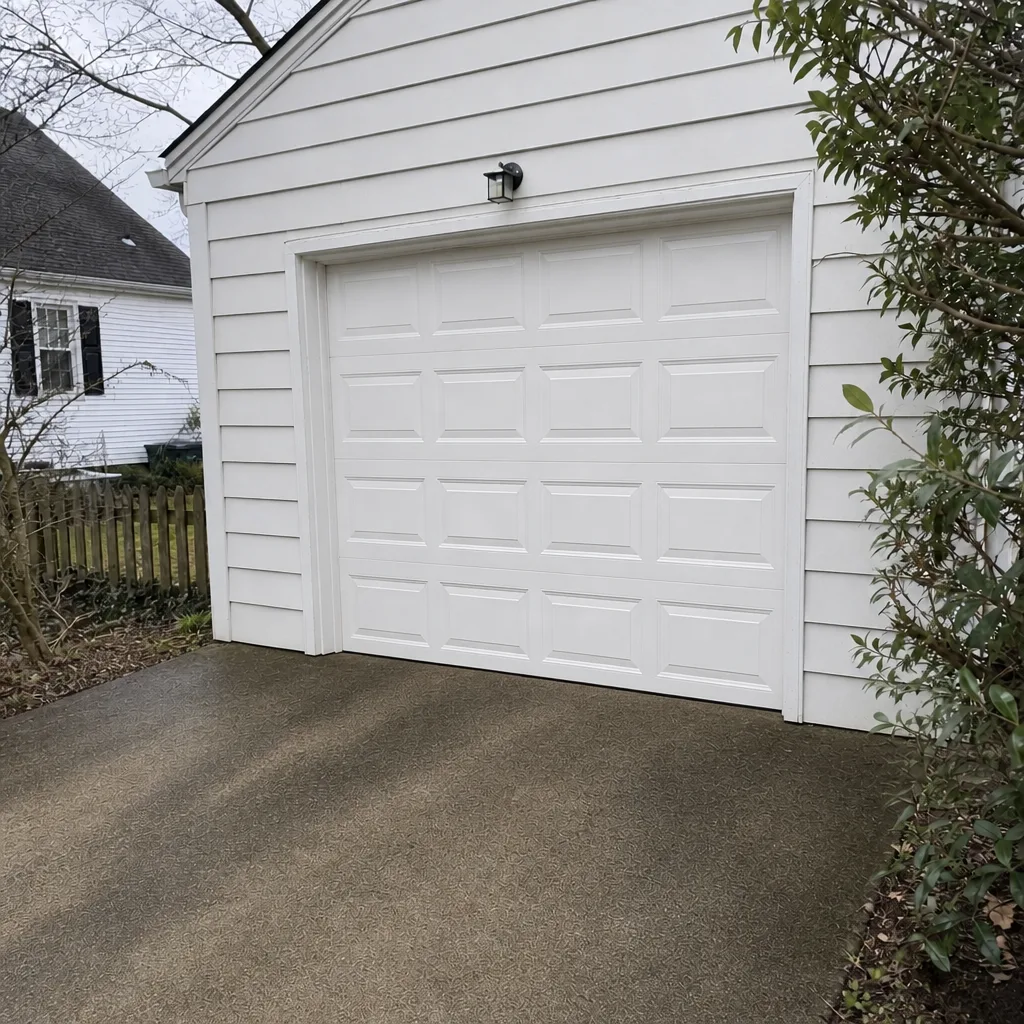 After
When to Call a Professional
Call a specialist if your door fails the balance test, if you can see a frayed or broken cable strand, if you heard a loud pop followed by a door that won’t lift, or if the door reverses, drifts, or slams. A single loud bang is the situation that most needs a professional response. Call us rather than cycling the door again. Intermittent opener response combined with any mechanical symptom also warrants a call, because the combination means the door is masking a bigger problem. When your door won’t move, we will. Charlottesville Garage Door Repair offers free estimates in Charlottesville and emergency garage door service when a door fails and leaves you locked out or unable to secure the house. Call (877) 770-2070.
Frequently Asked Questions
Look for a visible gap in a torsion spring at the top of the door, a door that fails the balance test, uneven lifting, and a single loud pop that leaves the door heavy. A spring that’s about to fail often goes quiet or gives a small bang before it lets go. If you see a gap or the door won’t stay at waist height with the opener disconnected, treat it as broken and call a professional. Call (877) 770-2070 for an exact quote – estimates are free.
It’s usually the door, not the opener. Pull the manual release and lift the door by hand. If it’s heavy, drops, or won’t stay up, your springs, rollers, or tracks are the cause, and replacing the opener won’t fix it. A technician can confirm which it is on sight. Call (877) 770-2070 for an exact quote – estimates are free.
Intermittent response almost always points to misaligned safety sensors, a loose wire at the wall control, a failing remote battery, or a drifting logic board on an older opener. It’s more urgent than a consistent failure because the door can catch you off guard. Start by checking sensor alignment, then call if it persists. Call (877) 770-2070 for an exact quote – estimates are free.
Spring replacement is quoted per spring, and it depends on the door’s size, the spring configuration, and whether the cables and drums need attention at the same time. The written estimate you get before any work starts is the price you pay. Call (877) 770-2070 for an exact quote – estimates are free.
Emergency garage door service is a real part of what we do, and a door that won’t open or close is the situation it’s for. A door that won’t move means security and access are both compromised, so call as soon as you notice it. Call (877) 770-2070 for an exact quote – estimates are free.
No. The written estimate is agreed before any work begins, and that quote sets the price. If the inspection turns up something outside what was quoted, you’ll hear it from us before we proceed, so you can decide. Call (877) 770-2070 for an exact quote – estimates are free.
The Bottom Line
A garage door that still opens isn’t the same as a garage door that’s healthy. The signs that matter most, in this order, are a failed balance test, a loud pop, a visible frayed cable strand, and a door that reverses or drifts. Slow operation and new noises are earlier warnings that tell you the opener is compensating for something, and that compensation has a limit. Run the balance test at each season change, listen with attention, and look at your cables. When any sign points to springs or cables, stop using the door and call a specialist. For anything in Charlottesville, the team at Charlottesville Garage Door Repair is reachable for a free estimate and for emergency service when a door fails. We work on your brand, whether that’s LiftMaster, Chamberlain, Genie, Clopay, Amarr, Wayne Dalton, Craftsman, or Raynor. Call (877) 770-2070 today.
Written by the team at Charlottesville Garage Door Repair.